
InnerPulse offers a comprehensive, privacy-focused mood tracking experience for iOS users, with detailed mood factors, mental health assessments, and on-device data storage.
Welcome to this week's Indie App Spotlight, where we explore noteworthy applications from independent developers. Today, we're examining InnerPulse, a mood tracking application that distinguishes itself through its depth, privacy-first approach, and thoughtful design.
Privacy and Data Security
In an era where mental health apps often collect extensive user data, InnerPulse takes a different approach by storing all information directly on the user's device. This on-device processing ensures that personal mood data never leaves the iPhone or iPad, addressing growing concerns about privacy in digital health applications. The app doesn't require accounts, subscriptions, or data sharing, making it an attractive option for users who want to track their mental wellbeing without compromising their privacy.
Comprehensive Mood Tracking
InnerPulse provides a nuanced approach to mood monitoring beyond simple happy/sad scales. Users can rate their daily mood on a 0-10 scale and select from over 85 different mood factors that contributed to their emotional state. This granularity allows for more meaningful self-reflection and pattern recognition over time.
The app organizes these factors into ten comprehensive categories:
- Sleep patterns and quality
- Nutrition and dietary habits
- Work and professional stressors
- Exercise and physical activity
- Social interactions and relationships
- Digital consumption and screen time
- Self-care practices
- Health concerns and physical symptoms
- Environmental factors
- Financial stressors
Users can also add free-form notes to capture additional context that might not fit into the predefined categories, creating a holistic picture of daily experiences and emotional responses.
Mental Health Assessment Tools
Beyond daily tracking, InnerPulse includes evidence-based mental health screening questionnaires that users can complete when experiencing anxiety or depressive symptoms. These include:
- PHQ-9 (Patient Health Questionnaire-9) for depression assessment
- GAD-7 (Generalized Anxiety Disorder-7) for anxiety evaluation
- K10 (Kessler Psychological Distress Scale) for general psychological distress
- PHQ-4 for a brief assessment of depression and anxiety
While these screeners don't provide clinical diagnoses, they offer valuable benchmarks for tracking mental health trends over time. Users can share these results with healthcare providers, facilitating more informed conversations during therapy sessions or medical appointments.
Design and User Experience
InnerPulse embraces the latest iOS design principles, incorporating the Liquid Glass aesthetic introduced in iOS 26. This native-feeling interface provides a fluid, visually pleasing experience that aligns with Apple's design language while maintaining excellent usability.
The app's interface focuses on clarity and simplicity, making daily mood tracking a quick and effortless process. The data visualization features help users identify patterns and trends in their mood and contributing factors, enabling proactive mental health management.
Technical Requirements and Accessibility
InnerPulse requires iOS 18.6 or later, ensuring compatibility with modern iPhones and iPads. The one-time purchase model of $4.99 eliminates subscription fatigue while providing sustainable support for the indie developer. This pricing structure stands in contrast to many mental health apps that employ recurring subscription models, making mental health tracking more accessible to a broader audience.
The app's focus on on-device processing also means it performs well even with limited internet connectivity, making it suitable for users in areas with unreliable network access.
Developer Perspective
From a development standpoint, InnerPulse represents a thoughtful approach to creating health-focused applications that prioritize user privacy. The choice to process data locally rather than in the cloud reflects an understanding of growing privacy concerns while also reducing potential latency in data access.
The app demonstrates how indie developers can leverage Apple's ecosystem features to create specialized tools that address specific needs. By focusing on a core functionality—mood tracking—and executing it exceptionally well, InnerPulse stands out in a crowded app market.
For developers interested in similar privacy-focused applications, Apple's Core Data framework and CloudKit provide robust tools for local data storage and optional cloud synchronization.
Conclusion
InnerPulse offers a compelling option for iOS users seeking a comprehensive, private mood tracking solution. Its combination of detailed tracking capabilities, mental health assessment tools, and unwavering commitment to privacy makes it a standout application in the mental health space. The one-time purchase model further enhances its accessibility, removing financial barriers to consistent mental health monitoring.
For users interested in exploring the app, InnerPulse is available on the App Store for $4.99. The app requires iOS 18.6 or later and is compatible with iPhone and iPad devices.
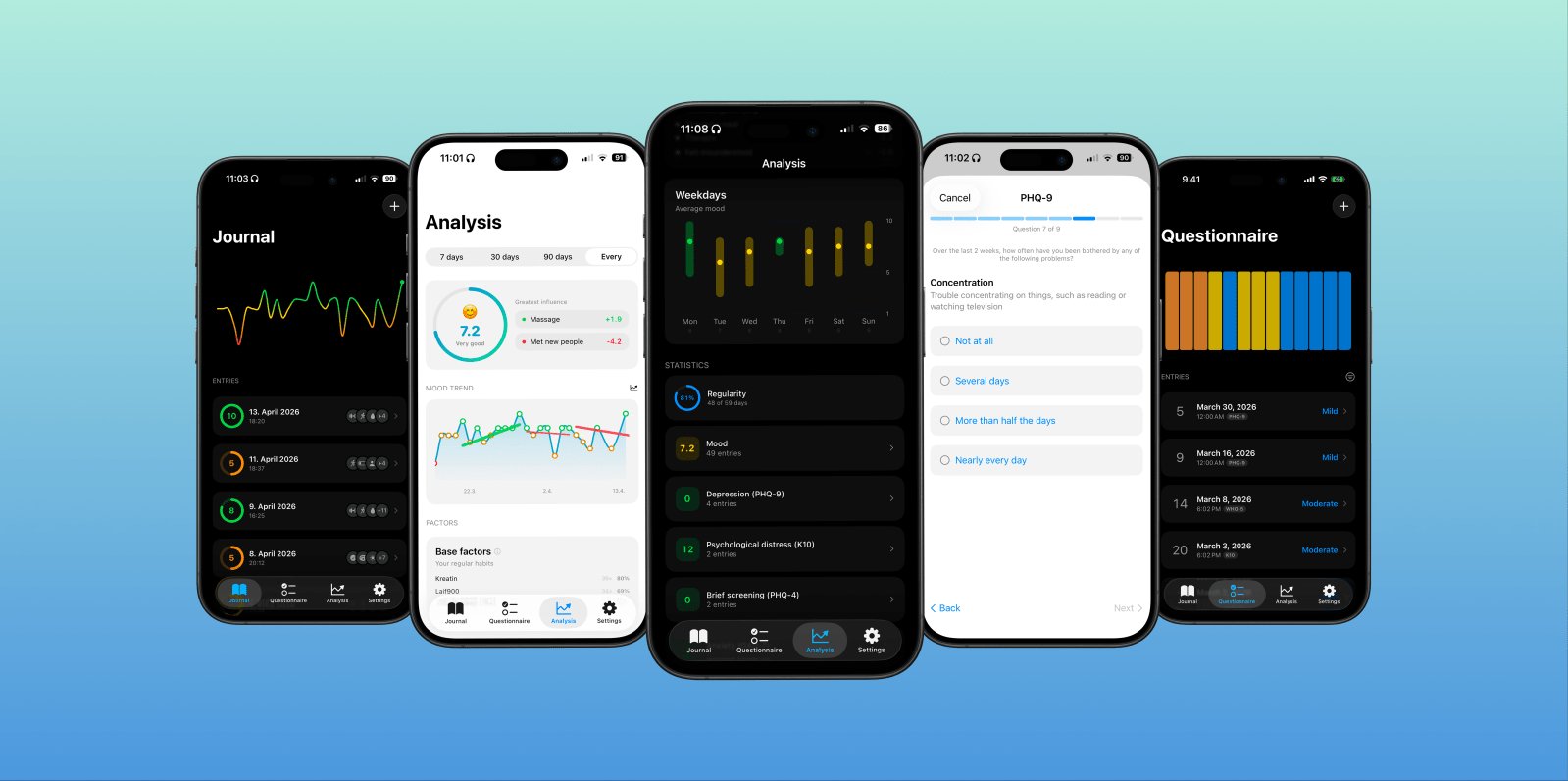
InnerPulse represents the kind of specialized, privacy-conscious applications that thrive in Apple's ecosystem, demonstrating how indie developers can address specific user needs with thoughtful design and execution.
Comments
Please log in or register to join the discussion