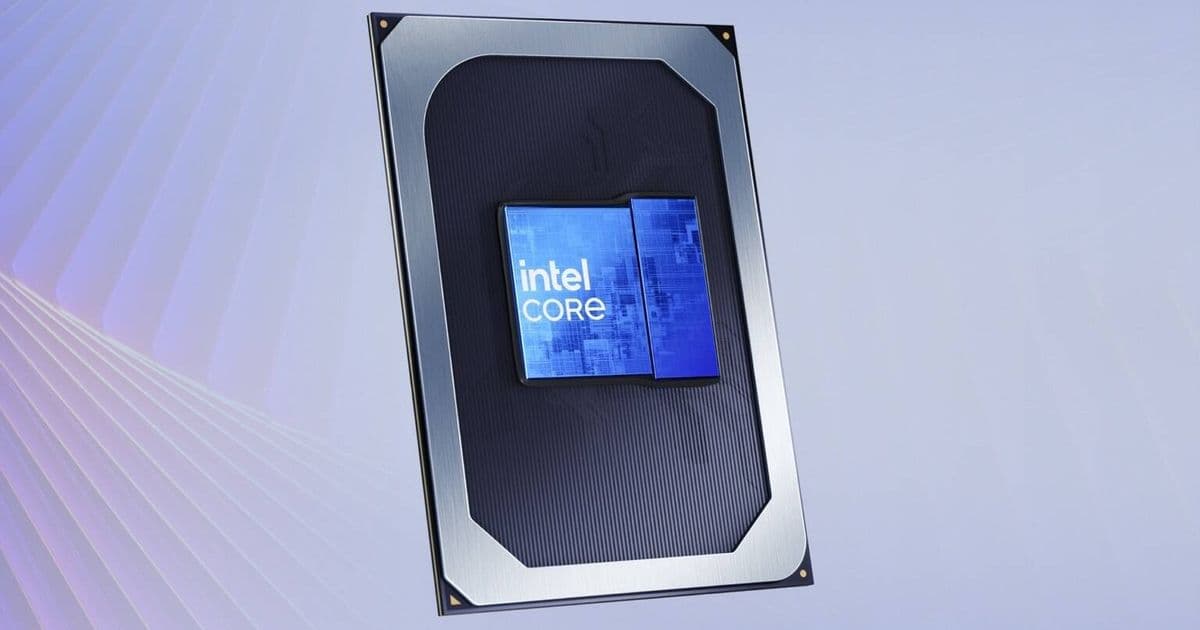
Intel's new budget Core Series 3 processors mark a strategic shift away from TSMC dependency, with production moving to Intel's own 18A fabs in Oregon and Arizona.
Intel has taken a significant step toward reducing its reliance on Taiwan Semiconductor Manufacturing Company (TSMC) by producing its new Core Series 3 processors entirely in the United States. The budget-oriented chips, manufactured on Intel's 18A process node at facilities in Hillsboro, Oregon, and Chandler, Arizona, represent the company's latest effort to reshore chip production and strengthen its domestic manufacturing capabilities.
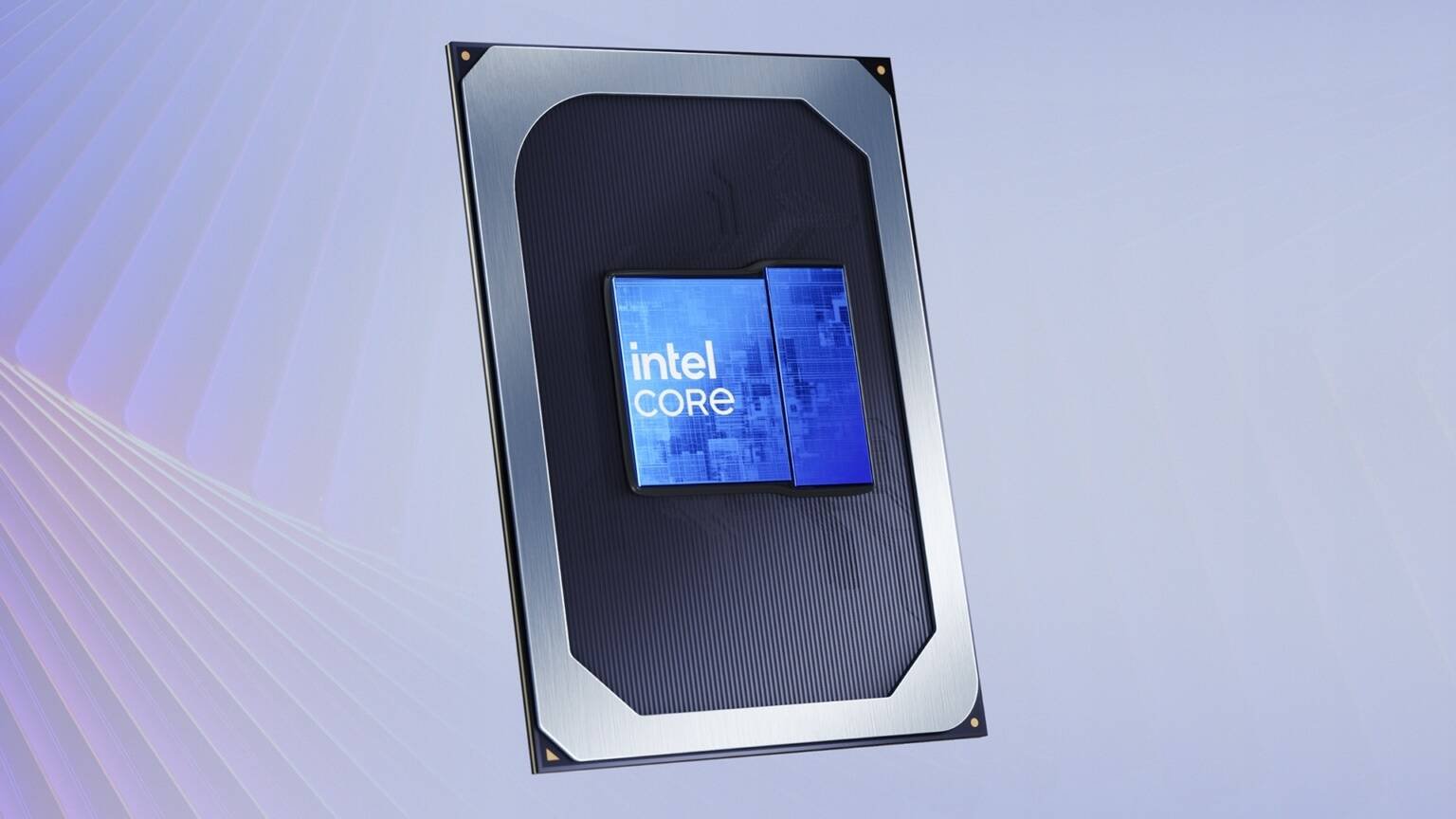
The Core Series 3 lineup consists of stripped-down versions of the Core Ultra Series 3 processors launched at CES 2026. These chips target the budget segment with configurations featuring up to six CPU cores—two high-performance Cougar Cove cores paired with four power-efficient Darkmont efficiency cores. Graphics capabilities are modest, with most models sporting two Xe3 graphics cores, down from the four found in base Core Ultra parts.
Technical specifications and performance
While the Core Series 3 chips won't qualify for Microsoft's Copilot+ certification due to their NPU's 15-17 INT8 TOPS performance (falling short of the 40 TOPS requirement), Intel emphasizes the combined platform capability of up to 40 TOPS across CPU, GPU, and NPU—though not simultaneously. The chips support up to 48 GB of LPDDR5 memory at 7467 MT/s or 64 GB of DDR5 at 6400 MT/s, though limited to a single memory channel, which halves bandwidth compared to higher-end Core Ultra parts.
CPU boost frequencies range from 4.3 GHz to 4.8 GHz, with GPU clocks between 2.3 GHz and 2.6 GHz. The Core 3 304 stands out as an outlier, featuring one fused-off performance core and one disabled GPU core, positioning it as the entry-level option in the lineup.
Market positioning and competition
Intel positions these processors as an attractive upgrade path for users still running 11th-generation Tiger Lake chips, claiming the 15W Core 7 360 delivers 47% higher single-threaded and 41% higher multi-core performance in Cinebench 2024. However, the company's real competition may come from Apple's MacBook Neo, which features a similar 6-core BIG.little architecture.
Beyond laptops, Intel is targeting the low-power edge computing market, positioning the Core Series 3 as a competitor to Nvidia's Jetson Orin Nano for workloads like object detection, image classification, and video analytics. The company expects edge systems featuring these chips to begin shipping later this quarter.
Strategic implications
This move represents a significant shift in Intel's manufacturing strategy. In 2024, much of Intel's client portfolio was outsourced to TSMC, making this domestic production a notable reversal. The timing is particularly relevant given ongoing geopolitical tensions and supply chain vulnerabilities exposed during the COVID-19 pandemic.
By bringing production back to US soil, Intel not only reduces its dependence on foreign foundries but also positions itself to potentially benefit from government incentives aimed at strengthening domestic semiconductor manufacturing. The chips will appear in over 70 partner designs, with systems hitting the market starting this week.
I/O capabilities and connectivity
The Core Series 3 processors feature integrated support for up to two Thunderbolt 4 ports, two USB 3.2 ports, WiFi 7, and Bluetooth 6. Interestingly, Intel includes more USB 2.0 ports than typically seen on modern notebooks, suggesting these chips may find their way into specialized industrial or embedded applications where legacy peripheral support remains important.
This production shift marks another chapter in Intel's ongoing efforts to regain its manufacturing edge and reduce dependency on external foundries, particularly in an era where semiconductor sovereignty has become a critical concern for both industry and government stakeholders.
Comments
Please log in or register to join the discussion