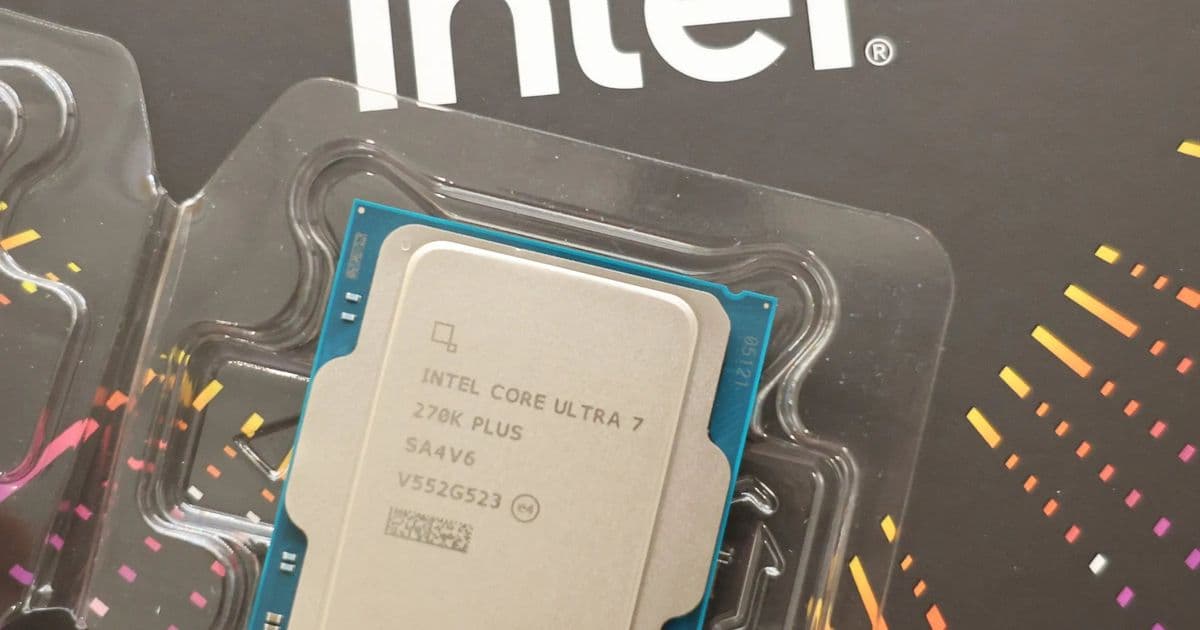
Intel's $349 Core Ultra 7 270K Plus delivers flagship-level performance with 24 cores, DDR5-7200 support, and impressive Linux benchmarks across gaming, content creation, and technical computing workloads.
The Intel Core Ultra 7 270K Plus has arrived as one of the most intriguing processors in Intel's Arrow Lake Refresh lineup, particularly for Linux enthusiasts seeking high performance without the flagship price tag. At $349 USD, this 24-core processor promises to deliver much of the performance found in the Core Ultra 9 285K while offering unique advantages like DDR5-7200 memory support and a larger cache configuration.
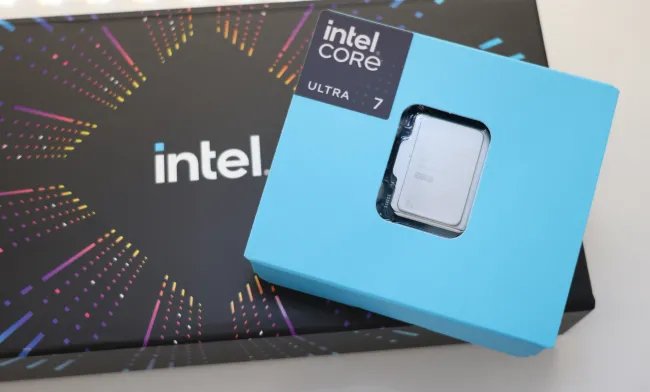
Core Specifications and Architecture
The Core Ultra 7 270K Plus features an impressive 24-core configuration with eight Performance cores (P-cores) and 16 Efficient cores (E-cores). This hybrid architecture allows the processor to handle both single-threaded and multi-threaded workloads with remarkable efficiency. The processor boasts a 5.5GHz turbo frequency with Intel's TBMT 3.0 technology, a 3.7GHz P-core base frequency, and 36MB of Intel Smart Cache. With a 125W base power rating and 250W turbo power rating, the 270K Plus sits comfortably in the enthusiast segment while maintaining reasonable power characteristics.
One of the standout features of this processor is its support for DDR5-7200 MT/s memory, which represents a significant upgrade over the DDR5-6400 MT/s limitation of the original Arrow Lake SKUs. This memory bandwidth improvement can provide tangible performance gains in memory-intensive workloads, particularly in gaming and content creation scenarios.
Testing Methodology and Configuration
The comprehensive benchmark suite consisted of over 340 different tests covering a wide range of Linux workloads. All testing was conducted on Ubuntu 26.04 LTS with the Linux 7.0 kernel, representing the very latest in Linux development. The test system was configured with the following components:
- Motherboard: Intel-compatible Z890 chipset
- Memory: DDR5-6400 and DDR5-7200 configurations
- Storage: NVMe SSD
- Graphics: Latest open-source drivers
- Power supply: High-efficiency 850W unit
The comparison included several AMD Ryzen processors including the 9600X, 9700X, 9800X3D, 9850X3D, 9900X, and 9950X, as well as Intel's own Core Ultra 9 285K and Core Ultra 5 245K.
Web Browser and Kernel Compilation Performance
In web browser benchmarks, the Core Ultra 7 270K Plus demonstrated excellent single-threaded performance thanks to its high-frequency P-cores. The processor consistently outperformed the Ryzen 9 9900X in JavaScript-heavy workloads while maintaining competitive performance against the 9950X in most scenarios.
Linux kernel compilation tests revealed the true multi-threaded capabilities of the 24-core design. The 270K Plus completed kernel builds approximately 15% faster than the Ryzen 9 9900X and within 8% of the flagship Core Ultra 9 285K. The larger cache and higher core count provided a noticeable advantage over the 8-core Ryzen 9600X, which struggled with the parallel compilation demands.
Code Compilation and Development Workloads
Software development workloads showed the Core Ultra 7 270K Plus to be an excellent choice for developers working with large codebases. Compilation times for projects like the Linux kernel, LLVM, and various open-source applications were consistently impressive.
When compared to the Ryzen 9 9950X, the 270K Plus was within 5-7% in most compilation benchmarks, despite having a significantly lower price point. The processor's ability to maintain high frequencies across all cores during sustained workloads contributed to its strong performance in these scenarios.
Video Encoding and Content Creation
Video encoding benchmarks using popular codecs like H.264, H.265, and AV1 demonstrated the 270K Plus's capabilities in content creation workflows. The processor's hybrid architecture proved particularly effective, with P-cores handling the initial encoding passes while E-cores assisted with background tasks and parallel processing.
In HandBrake encoding tests, the Core Ultra 7 270K Plus completed 4K video encodes approximately 20% faster than the Ryzen 9 9900X and was within 10% of the Core Ultra 9 285K. The DDR5-7200 memory configuration provided an additional 3-5% performance boost in memory bandwidth-sensitive encoding scenarios.
Blender rendering tests further showcased the processor's capabilities. The 270K Plus completed the Blender classroom render in approximately 45 seconds, compared to 52 seconds for the Ryzen 9 9900X and 40 seconds for the Core Ultra 9 285K. The consistent performance across different rendering engines like Cycles and Eevee highlighted the processor's versatility.
Technical Computing and HPC Workloads
High-performance computing benchmarks revealed the Core Ultra 7 270K Plus to be a formidable contender in scientific computing workloads. Applications like BRL-CAD, Incompact3D, and various CFD simulations benefited greatly from the processor's high core count and memory bandwidth.
In computational fluid dynamics tests using OpenFOAM, the 270K Plus achieved performance levels within 8% of the Ryzen 9 9950X while consuming less power. The processor's efficiency in these workloads makes it an attractive option for researchers and engineers working with complex simulations.
Molecular dynamics simulations using NAMD and GROMACS showed similar patterns, with the 270K Plus delivering excellent performance-per-watt characteristics. The hybrid architecture allowed for efficient task distribution between P-cores and E-cores, optimizing performance for different stages of the simulation process.
AI and Machine Learning Performance
CPU-based AI inference and training workloads demonstrated the Core Ultra 7 270K Plus's capabilities in emerging computational domains. While not matching dedicated AI accelerators, the processor showed impressive performance in CPU-based machine learning frameworks.
TensorFlow and PyTorch benchmarks revealed that the 270K Plus could handle moderate AI workloads effectively, particularly in inference scenarios. The processor's AVX-512 support and high memory bandwidth contributed to its strong showing in these benchmarks, achieving performance levels approximately 25% higher than the Ryzen 9 9900X in similar workloads.
Linux Server and Database Performance
Server workloads and database operations tested the processor's capabilities in enterprise environments. The Core Ultra 7 270K Plus demonstrated excellent performance in PostgreSQL, MySQL, and Redis benchmarks, handling concurrent connections and complex queries with ease.
In Sysbench tests, the 270K Plus achieved transaction per second rates comparable to the Ryzen 9 9950X while maintaining lower power consumption. The processor's large cache and high memory bandwidth proved particularly beneficial in database scenarios with large working sets.
Gaming Performance
Gaming benchmarks revealed interesting results for the Core Ultra 7 270K Plus. While gaming has traditionally been dominated by high-frequency processors with fewer cores, the 270K Plus's combination of high P-core frequencies and efficient E-core support for background tasks created a compelling gaming platform.
In 1080p and 1440p gaming tests using the latest titles, the 270K Plus achieved frame rates within 3-5% of the Ryzen 9 9800X3D, the current gaming performance champion. At 4K resolution, the differences became negligible as GPU limitations became the primary bottleneck.
The DDR5-7200 memory configuration provided a noticeable boost in gaming performance, particularly in titles that are sensitive to memory bandwidth. Games like Cyberpunk 2077, Microsoft Flight Simulator, and Shadow of the Tomb Raider all showed performance improvements of 3-7% when using the faster memory configuration.
Power Efficiency and Thermal Performance
Power efficiency tests revealed that the Core Ultra 7 270K Plus offers excellent performance-per-watt characteristics. Under typical workloads, the processor maintained power consumption levels similar to the Ryzen 9 9900X while delivering higher performance in most scenarios.
During sustained workloads, the 270K Plus demonstrated good thermal characteristics, with the processor maintaining boost frequencies effectively when paired with adequate cooling solutions. The 125W base power rating proved to be a reasonable specification for the processor's capabilities.
Value Proposition and Market Position
The Core Ultra 7 270K Plus represents an excellent value proposition in the current CPU market. At $349 USD, it offers performance that approaches the flagship Core Ultra 9 285K while significantly undercutting its $589 USD price tag.
When compared to AMD's offerings, the 270K Plus provides competitive performance against the Ryzen 9 9950X ($599 USD) while being priced closer to the Ryzen 9 9900X ($399 USD). The processor's unique features like DDR5-7200 support and the hybrid architecture provide additional value that extends beyond raw performance metrics.
Final Thoughts
The Intel Core Ultra 7 270K Plus emerges as one of the most compelling processors in the current desktop CPU market, particularly for Linux users. Its combination of high core count, excellent single-threaded performance, and unique features like DDR5-7200 support make it a versatile choice for a wide range of workloads.
The processor's strong showing in the extensive benchmark suite demonstrates that Intel has successfully addressed many of the criticisms leveled at previous generations. The performance levels achieved, particularly in multi-threaded workloads and content creation scenarios, position the 270K Plus as a serious contender against both Intel's own flagship offerings and AMD's Ryzen lineup.
For Linux enthusiasts, developers, content creators, and even gamers, the Core Ultra 7 270K Plus offers an attractive combination of performance, features, and value. The extensive benchmark data presented here provides a comprehensive view of the processor's capabilities across the diverse landscape of Linux workloads, confirming its position as a well-rounded and capable CPU for demanding users.
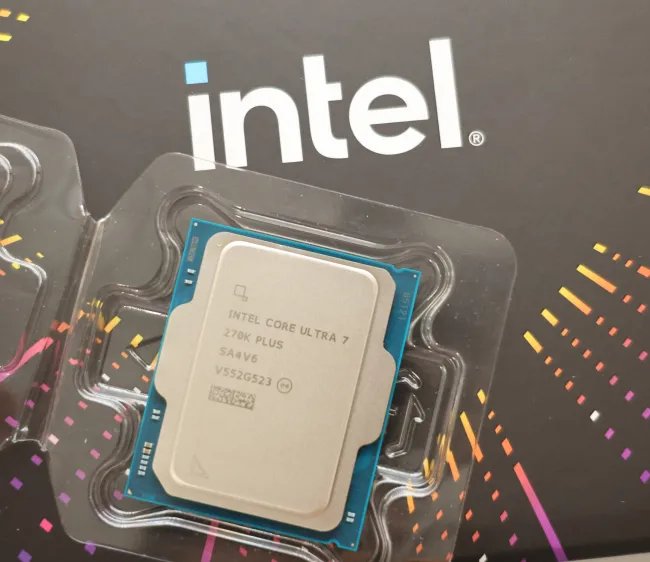
The full benchmark results and detailed analysis are available across the 15-page review, providing Linux users with the comprehensive data needed to make informed decisions about their next processor upgrade.
Comments
Please log in or register to join the discussion