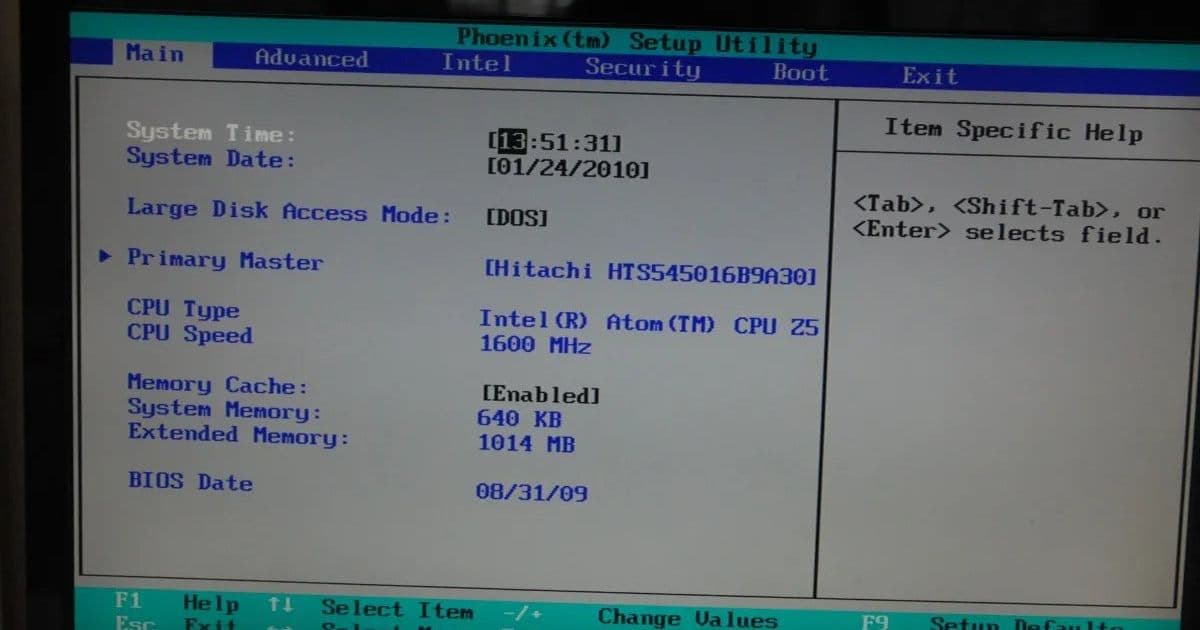
The Intel GMA500 driver, which provides open-source display support for Poulsbo Atom platforms, continues to receive rare upstream improvements in 2026, with recent patches adding client buffer support for FBDEV emulation.
Approaching twenty years after Intel's Poulsbo platform began giving Linux users nightmares due to its Imagination PowerVR SGX graphics IP that blocked open-source 3D driver support, the GMA500 driver that ended up coming about to provide open-source display support at least is still seeing occasional upstream activity for the Linux kernel.
Intel Atom Poulsbo in netbooks and the like at the time were a very sore spot due to their PowerVR SGX graphics IP. While since then Imagination Tech has finally become more open-source friendly and since provided an upstream DRM kernel graphics driver and Mesa Vulkan driver for their newer PowerVR graphics IP generations, there wasn't such treatment for the older PowerVR graphics IP found with Poulsbo Atoms.
The Intel GMA500 DRM driver though has been providing open-source display driver support for years albeit improvements to it are increasingly rare. Thomas Zimmermann of SUSE has worked through a set of patches to provide client buffer support for the GMA500 driver's FBDEV emulation. A rare improvement for anyone still relying on these very old Atom processors.
He explained with the patch series now working its way to the upcoming Linux 7.1 kernel: "A client buffer holds the DRM framebuffer for an in-kernel DRM client. So far, gma500 has created an internal ad-hoc framebuffer for its fbdev emulation, while by-passing the regular interfaces used by user-space compositors. Replacing the existing code with a client buffer allows for stream-lining gma500 code and later also the fbdev helpers. The new framebuffer will be registered against the client's file and will support handles for GEM objects. This is then just another framebuffer within the DRM ecosystem."
This clean-up to the frame-buffer handling for the Intel GMA500 driver was included as part of today's drm-misc-next pull request of new material ready for introduction with the Linux 7.1 merge window in April.
So for anyone still using Intel Poulsbo hardware, the GMA500 display driver isn't quite dead yet but it's certainly past time to upgrade especially with the performance and power efficiency of today's options like Panther Lake.
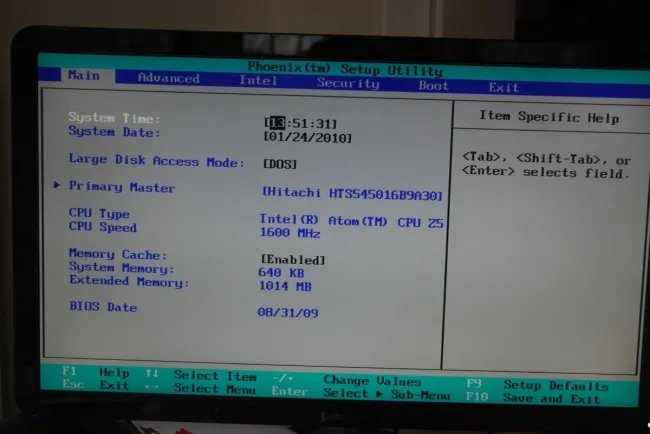
The Poulsbo platform, codenamed after a town in Washington state, represented Intel's first attempt at a low-power chipset for netbooks and mobile internet devices. The platform paired an Atom processor with the GMA500 graphics core, which was actually designed by Imagination Technologies (then known as PowerVR) rather than Intel itself. This outsourcing decision would come back to haunt Intel and Linux users for years.
When Poulsbo launched around 2008, it offered decent performance for its time but came with a significant catch: the PowerVR SGX graphics core lacked open-source driver support. This meant Linux users were stuck with either proprietary drivers that were difficult to maintain or basic framebuffer support without hardware acceleration. The situation was particularly frustrating because Poulsbo hardware was quite common in early netbooks and nettops.
The GMA500 driver that eventually emerged provided basic display functionality but never achieved the level of support that Linux users expect from Intel's other integrated graphics solutions. Unlike Intel's later GMA, HD, and UHD graphics families that all received excellent open-source driver support through the i915 driver, Poulsbo remained a special case.
What makes this recent development interesting is that it shows even ancient hardware can receive attention when the right developer takes an interest. Thomas Zimmermann's work on client buffer support represents more than just a minor tweak - it's a modernization of how the driver handles framebuffers, potentially making it more compatible with modern compositors and display servers.
The client buffer approach aligns the GMA500 driver more closely with how modern DRM drivers work, where framebuffers are managed through standardized interfaces rather than custom implementations. This could theoretically make Poulsbo hardware more viable for basic desktop use on modern Linux distributions, though the lack of 3D acceleration remains a fundamental limitation.
For context, the Linux kernel community generally maintains support for hardware as long as there are active users and maintainers. Some drivers for truly ancient hardware persist simply because someone cares enough to keep them working. The GMA500 driver's continued maintenance, even at this minimal level, is a testament to the open-source principle that users should be able to keep using their hardware as long as they want.
However, the practical reality is that Poulsbo hardware is now nearly two decades old. Any device still running this platform is likely suffering from multiple limitations beyond just graphics performance - slow storage, limited RAM, and poor power efficiency compared to even budget modern hardware. The fact that someone is still investing time in improving these drivers speaks more to the dedication of the open-source community than to any practical use case.
Modern alternatives like Intel's current integrated graphics or even budget ARM-based solutions offer exponentially better performance, lower power consumption, and full open-source driver support. The power efficiency gap alone makes upgrading worthwhile - a modern low-power system might use a tenth of the electricity while delivering a hundred times the performance.
The GMA500 driver's journey from problematic PowerVR integration to barely-maintained legacy support mirrors the broader evolution of Intel's graphics strategy. After the Poulsbo experience, Intel doubled down on developing its own graphics IP, leading to the excellent open-source support we see today across their product lines. The company learned that controlling both the hardware and software stack was essential for providing the Linux experience users expect.
For those few remaining Poulsbo users, these patches might provide a slightly better experience, but they shouldn't delay upgrading. The driver improvements are more of historical interest than practical necessity at this point. The open-source community's willingness to maintain even ancient hardware is admirable, but there comes a point where the benefits of modern hardware far outweigh the costs of replacement.
This story also highlights an interesting aspect of open-source development: sometimes the most obscure projects receive attention not because they're widely used, but because they present an interesting technical challenge or because a maintainer has a personal connection to the hardware. The Linux kernel's inclusivity means that even the most niche drivers can find a home, as long as someone is willing to maintain them.
The GMA500 driver's continued existence serves as a reminder of how far Linux graphics support has come. What was once a nightmare of proprietary drivers and limited functionality is now a model of open-source excellence for most hardware. Poulsbo remains an outlier - a relic of a time when Intel experimented with outsourcing graphics IP and Linux users paid the price.
As we look toward future kernel releases, it's worth appreciating both the progress we've made and the dedication of developers who ensure that even the oldest hardware can continue to function, even if just barely. The Poulsbo platform may have been a misstep, but its legacy lives on in the form of better, more open graphics support across Intel's entire product line.
Comments
Please log in or register to join the discussion