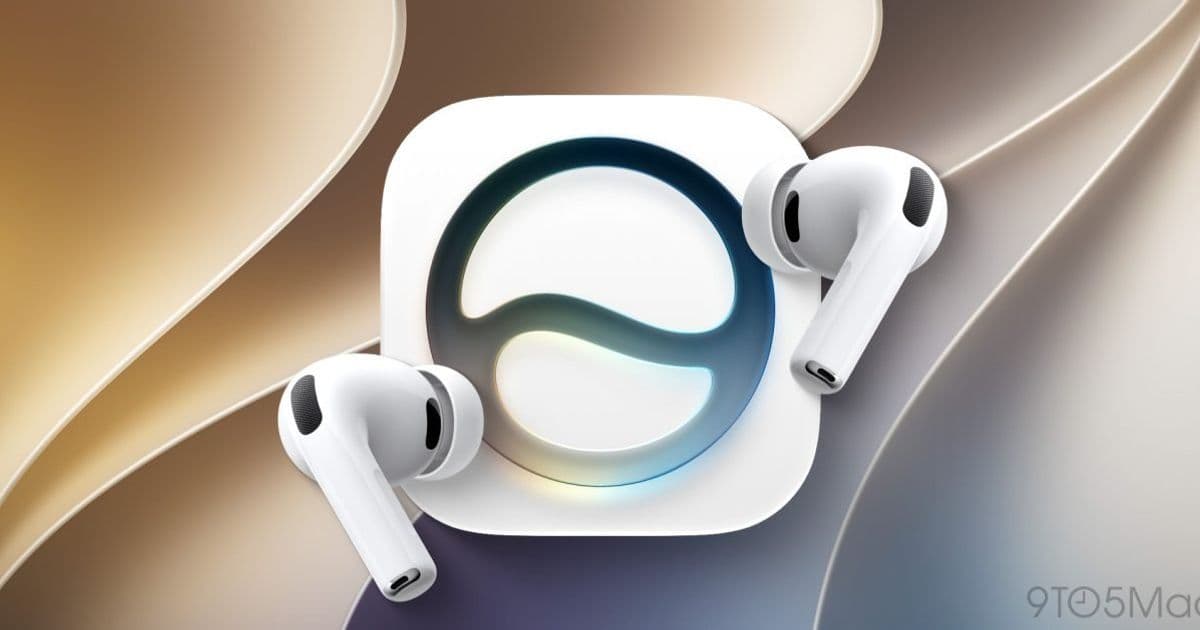
At WWDC 2026, Apple detailed how iOS 27 reworks the AirPods experience, adding a full custom equalizer, GymKit heart rate syncing that no longer needs an Apple Watch, and a redesigned settings layout. The updates land on hardware that was already among the best wireless earbuds available.
Apple used WWDC this week to lay out what iOS 27 means for AirPods, and the headline takeaway is that the AirPods Pro 3 are getting noticeably more capable through software alone. The earbuds shipped with strong active noise cancellation and Apple's H2-class silicon, but the new firmware and OS-level integrations push them further into territory that previously required either separate hardware or third-party apps.
What Apple announced
The most requested feature finally arrives: a custom equalizer. Until now, AirPods relied on Apple's fixed Adaptive EQ, which automatically tuned audio to the shape of your ear but gave you no manual say in the result. With iOS 27, you get direct control over the low, mid, and high frequency bands, so you can dial in more bass for hip-hop, pull back harsh treble on bright recordings, or flatten the curve for podcasts. This is the kind of control audio enthusiasts have wanted from AirPods since the first generation, and it closes a real gap against competitors like Sony and Bose, whose companion apps have offered multi-band EQ for years.
The second standout is expanded GymKit support. AirPods Pro 3 already include a heart rate sensor built into the earbuds, and iOS 27 lets that data sync through your iPhone to compatible gym equipment without an Apple Watch in the loop. Walk up to a treadmill or connected machine that supports GymKit, and your AirPods can feed it real-time heart rate. For people who train with earbuds in but don't wear a watch, that removes a piece of friction that used to push you toward buying more hardware.
A redesigned settings experience
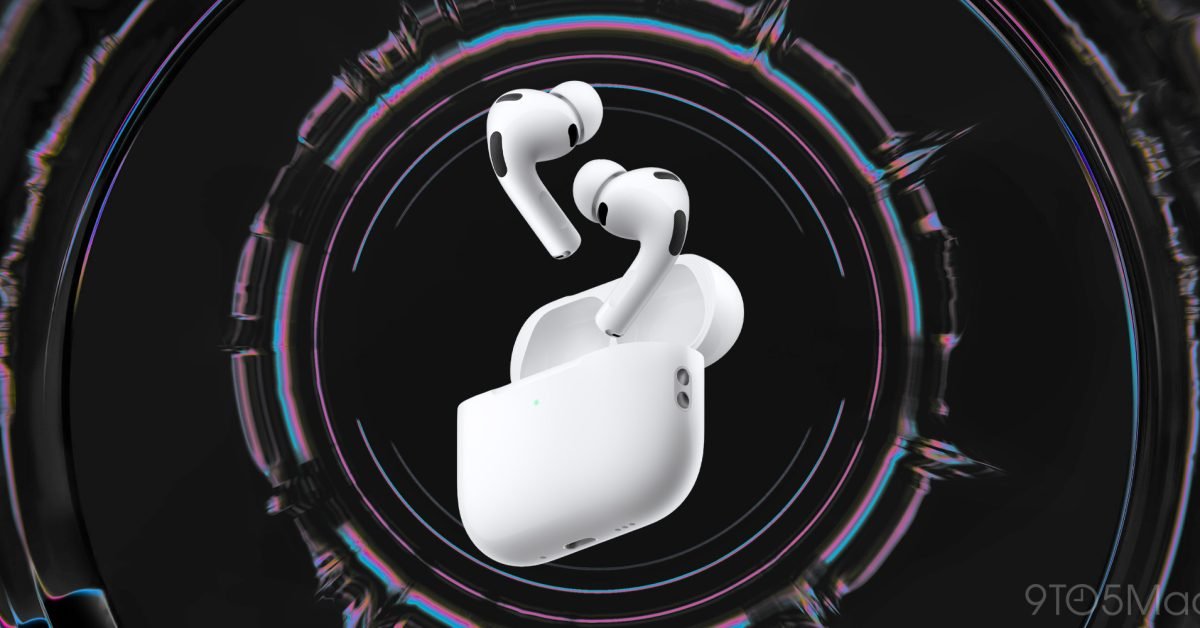
iOS 27 also reorganizes how AirPods settings appear on the iPhone. The previous layout buried features across a long scrolling list that grew unwieldy as Apple kept adding modes like Adaptive Audio, Conversation Awareness, and hearing health tools. The new design groups related controls and surfaces the options you actually change, which matters more than it sounds given how many distinct behaviors these earbuds now juggle. Apple has been shipping beta firmware to developers ahead of the public release, so the rollout has been staged rather than dropped all at once.
Siri does the heavy lifting
The quieter but arguably most significant change is Siri. Apple positioned the assistant as the biggest AirPods upgrade in iOS 27, and the direction is toward more conversational, context-aware interaction directly through the earbuds. The goal is letting you handle messages, navigation, and media hands-free with fewer rigid voice commands, leaning on the on-device intelligence Apple has been building across its platforms. This is where the AirPods stop being a passive accessory and start acting as a primary input method for the iPhone.
Specs and where the AirPods Pro 3 stand
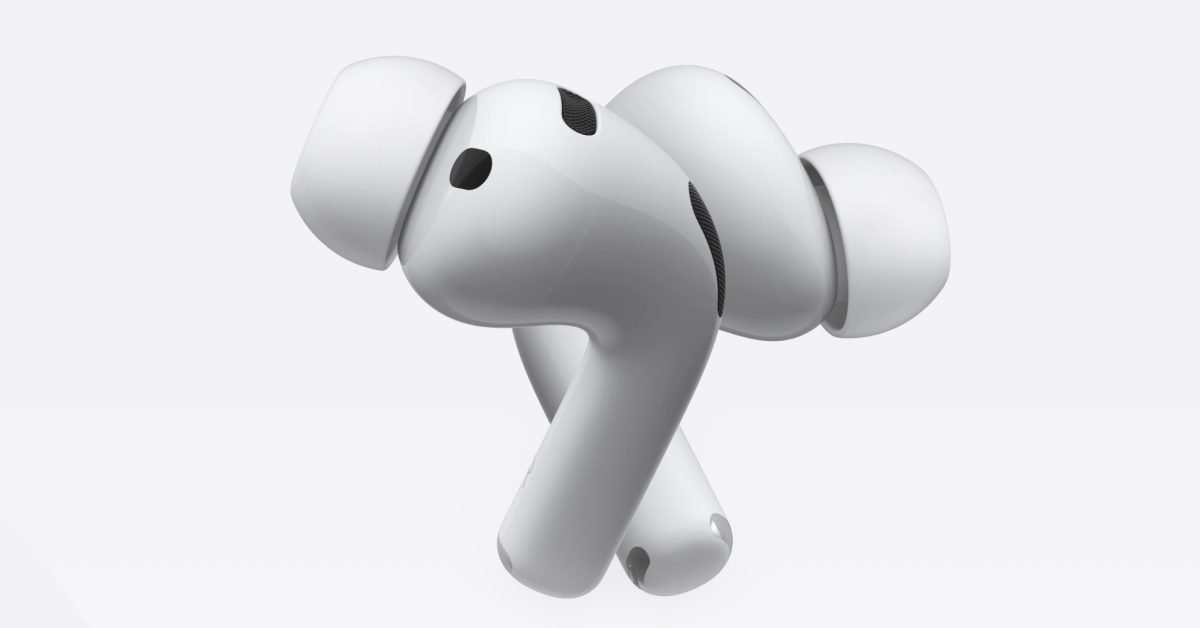
The AirPods Pro 3 carry Apple's latest in-ear acoustic platform with active noise cancellation, Adaptive Audio that blends transparency and ANC based on your surroundings, Personalized Spatial Audio with head tracking, and the heart rate sensor that now powers the GymKit work. The case supports both Lightning-free USB-C charging and the broader MagSafe and Qi ecosystem, and the earbuds use Apple's H2-generation chip for low-latency audio and the always-listening Siri features.
The ecosystem story is the usual double edge. These features lean hard on Apple's stack. Custom EQ, the GymKit heart rate path, the redesigned settings, and the upgraded Siri all assume you're carrying an iPhone running iOS 27. Pair AirPods Pro 3 with an Android phone and you get basic audio playback and little else, which is the opposite of how Sony and Bose treat their flagship earbuds across platforms. For people already inside Apple's world, that tight integration is the entire appeal: instant pairing across your Mac, iPad, and iPhone, automatic device switching, and now health and audio features that work without extra accessories. For anyone weighing a move into or out of the ecosystem, it's one more thread tying you to the rest of Apple's hardware.
When you can get it
The AirPods features arrive with iOS 27, which Apple is testing now through developer and public beta cycles before a wider release later this year. Because much of this is delivered through firmware paired with the OS, existing AirPods Pro 3 owners won't need new hardware to take advantage of custom EQ, the GymKit changes, or the Siri improvements. That makes iOS 27 one of the more meaningful free upgrades the lineup has seen, turning earbuds people already own into a more capable piece of the Apple ecosystem rather than asking them to buy the next generation to get there.
Comments
Please log in or register to join the discussion