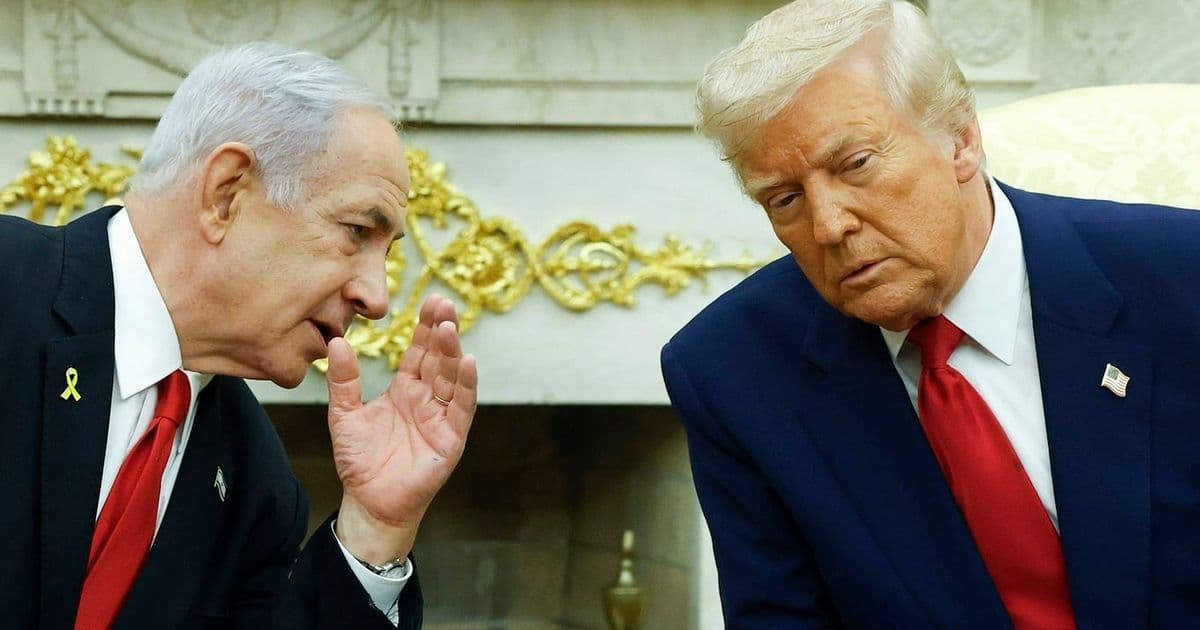
The Trump administration's consideration of military action against Iran has been postponed following significant pushback from key allies and internal advisors, highlighting the complex geopolitical calculations involved in any potential conflict.
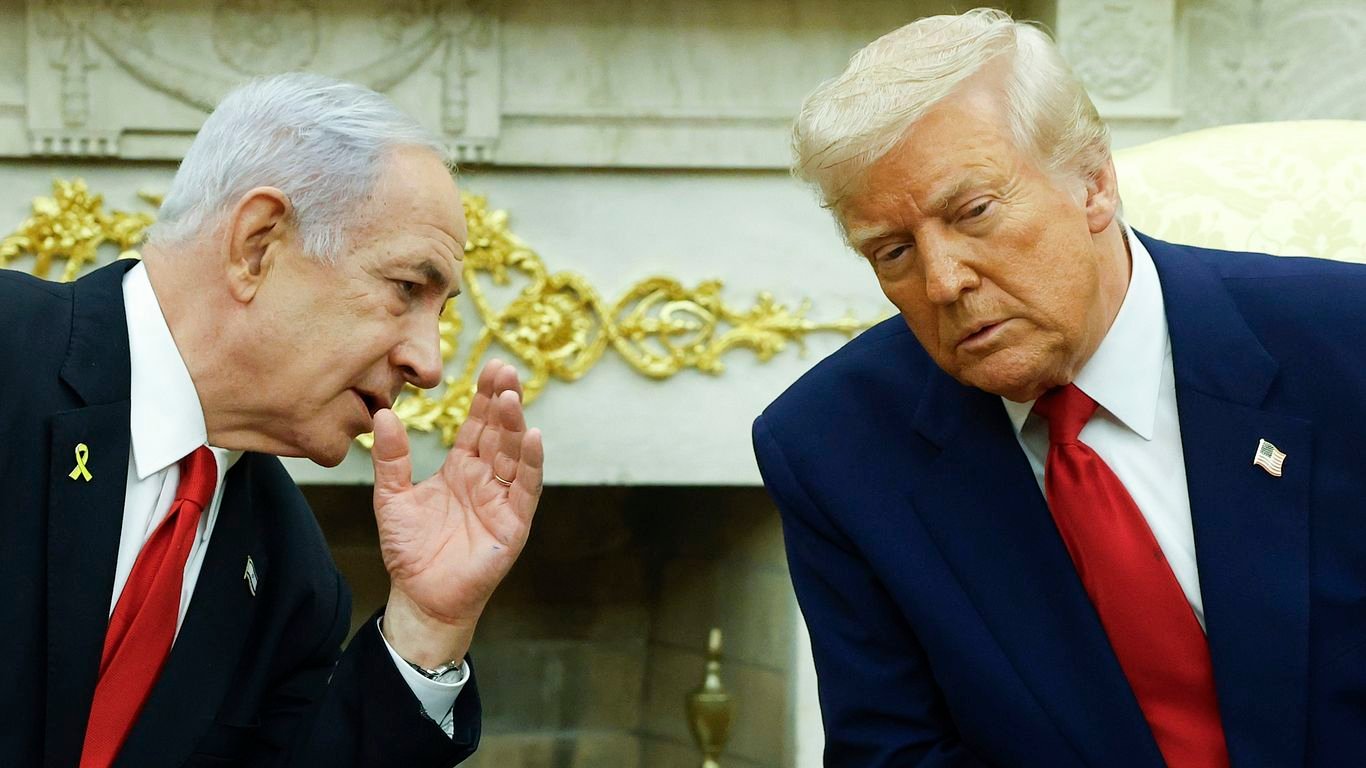
The Trump administration's deliberations over potential military strikes against Iran have been delayed, according to sources familiar with the discussions. The postponement comes amid concerns raised by both Israeli officials and senior Trump aides about the potential consequences of military action.
Internal Administration Concerns
Multiple senior officials within the Trump administration have expressed reservations about the timing and scope of any military response to Iran. These concerns center on several key factors:
- Escalation risks: Advisors fear that strikes could trigger a broader regional conflict, potentially drawing in other Gulf states and destabilizing oil markets
- Intelligence gaps: Questions remain about the full extent of Iran's capabilities and potential retaliatory measures
- Alliance coordination: The need to ensure proper coordination with regional partners before any action
Israeli Perspective
Israeli officials have reportedly conveyed their concerns to the White House through diplomatic channels. While Israel has historically supported strong action against Iranian nuclear ambitions, the current timing presents specific challenges:
- Domestic political considerations in Israel as the country navigates its own government formation
- Concerns about immediate retaliation against Israeli territory and interests
- The need for comprehensive planning to ensure any action achieves strategic objectives
Strategic Calculations
The delay reflects a broader reassessment of the strategic landscape. Administration officials are reportedly weighing:
- Diplomatic alternatives: Whether additional economic pressure or diplomatic initiatives could achieve objectives without military action
- International coalition building: The feasibility of assembling a broader international coalition to share the burden of any action
- Post-strike scenarios: Detailed planning for what happens after any military action, including potential humanitarian and political consequences
Market Implications
The uncertainty surrounding potential military action continues to affect energy markets. Brent crude prices have shown volatility in recent weeks, with traders pricing in geopolitical risk premiums. Analysts note that any actual military action would likely cause significant price spikes, while continued delays could lead to market stabilization.
Next Steps
The administration appears to be in a holding pattern, with no immediate timeline for resuming deliberations. Officials indicate that any decision will depend on:
- Evolving intelligence assessments
- Further consultations with allies
- Changes in Iran's behavior or capabilities
The situation underscores the complex interplay between military options, diplomatic considerations, and alliance management in contemporary U.S. foreign policy.
Comments
Please log in or register to join the discussion