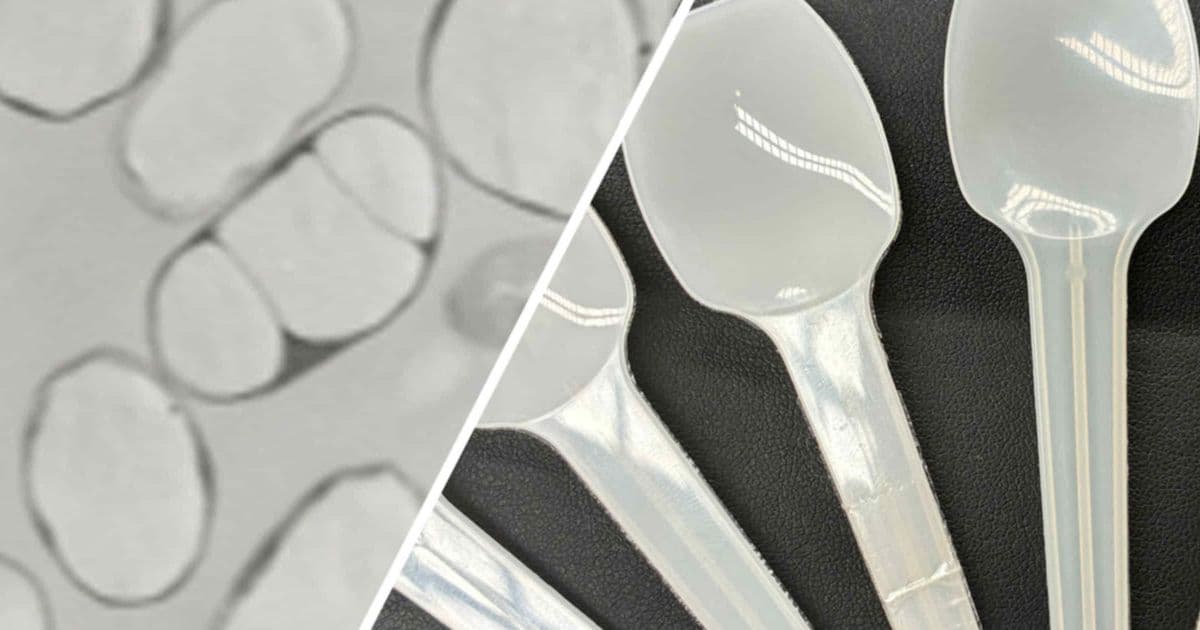
Japan's JGC Holdings has opened a research facility built around hydrogen-oxidizing microbes that feed on carbon dioxide and produce plastic. The bet targets a bioplastics market projected to grow sharply this decade, and it positions a traditional engineering contractor for a post-fossil-fuel revenue base.
Japanese engineering group JGC Holdings has opened what it describes as the world's first research facility dedicated to mass-producing bioplastics from bacteria that consume carbon dioxide. The lab, announced on June 10, centers on hydrogen-oxidizing bacteria, microbes that draw carbon from CO2 and convert it into polymer material. JGC's stated goal is to move from bench-scale chemistry to a commercial production process quickly, rather than leaving the technology stuck in academic proof-of-concept.
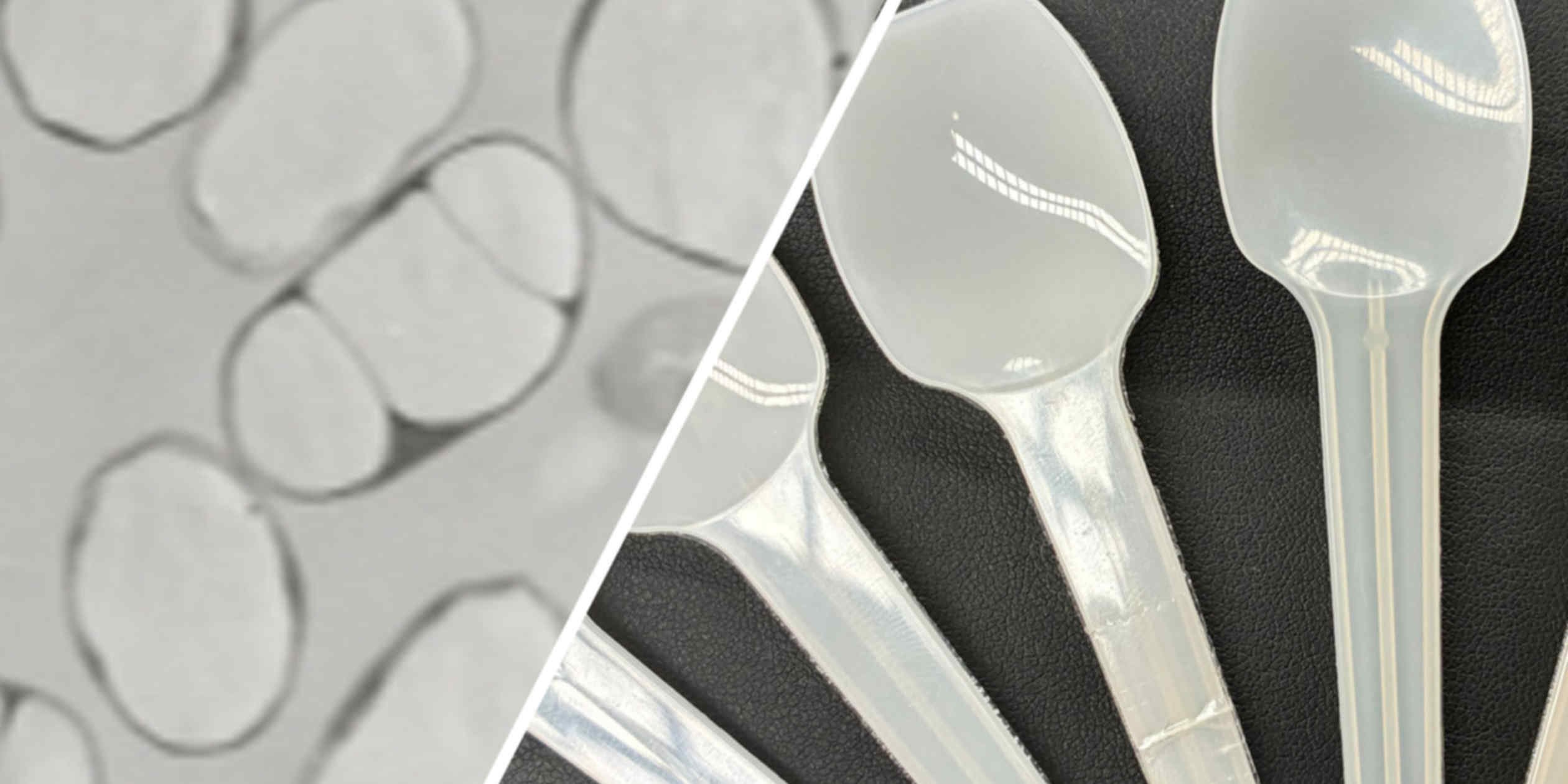
The science here is more practical than exotic. Hydrogen-oxidizing bacteria use hydrogen as an energy source and fix carbon dioxide much the way plants do, except they do it in a tank instead of a field. Inside the cells, the carbon accumulates as polyhydroxyalkanoates, a family of biodegradable polyesters that the microbes store as energy reserves. Harvest the cells, extract the polymer, and you have a plastic feedstock whose carbon came from CO2 rather than crude oil. The same chemistry that makes the material attractive for emissions accounting also makes it compostable, which addresses the second half of the plastics problem after sourcing: end-of-life disposal.
Why an engineering firm is making this bet
JGC is not a chemicals company in the traditional sense. Its core business is engineering, procurement and construction, the work of designing and building large industrial plants, particularly liquefied natural gas facilities. That heritage matters for understanding the move. The hard part of bioplastics has rarely been getting bacteria to make polymer in a flask. The hard part is scaling fermentation, separation and purification into a continuous industrial process that produces material at a cost per ton competitive with petrochemical plastics. Plant engineering is precisely the discipline JGC sells.
Reading the company's broader portfolio, the logic sharpens. JGC's traditional revenue is tied to fossil-fuel infrastructure, the LNG and refining projects whose long-term demand is under pressure as Asia's energy transition accelerates. Building an in-house capability to industrialize a carbon-consuming process gives the firm a stake in the businesses that may eventually replace some of that work. The bioplastics lab is as much a hedge on JGC's own future order book as it is a climate play.
The market context
The global bioplastics market remains small against the roughly 400 million tons of conventional plastic produced each year, but it is one of the faster-growing segments in materials. Industry estimates have placed bioplastics production capacity growth in the double digits annually, driven by regulatory pressure on single-use plastics in Europe and Asia and by corporate procurement commitments from consumer goods makers seeking lower-carbon packaging. Polyhydroxyalkanoates specifically command premium pricing today precisely because supply is limited and production is expensive, which is the gap JGC is targeting.
The competitive field is real. Companies including Japan's Kaneka, which already sells a commercial PHA product, and a cluster of biotechnology startups have spent years trying to bring fermentation-based plastics to scale. What distinguishes carbon-feeding bacteria from earlier approaches is the feedstock. Many existing bioplastics rely on sugar or plant oils, which puts them in competition with food crops and ties their cost to agricultural markets. A process that runs on CO2 and hydrogen sidesteps that constraint, and if the hydrogen is sourced from low-carbon electricity, the resulting material can claim a genuinely low or negative carbon footprint.
What it means
The strategic implication extends beyond one facility. Japan's industrial base is unusually exposed to the energy transition. Firms built around hydrocarbons, from trading houses to engineering contractors to materials makers, are each searching for the next decade's revenue. The surrounding activity tells the story: Sumitomo joining a US carbon-burial project, AGC reassessing a green hydrogen materials plant, and a wave of Japanese companies entering emissions credit markets. JGC's bioplastics lab fits this pattern of incumbents trying to convert decarbonization from a compliance cost into a product line.
The open question is economics, not chemistry. Carbon-feeding bacteria work in the lab. Whether they can produce plastic at a price the market will pay, without a permanent regulatory subsidy or carbon-pricing tailwind, is what the new facility is meant to test. Hydrogen cost is the swing variable, since the microbes need it as an energy source and green hydrogen remains expensive in Japan. If JGC can demonstrate a continuous process with credible unit economics, it gains both a materials business and a reference plant it can sell to other operators. If it cannot, the lab becomes another entry in the long list of bioplastics ventures that proved the science and stalled on cost. For now, the company is betting that its plant-building expertise is the missing piece that turns a microbial curiosity into an industrial supply chain.
Comments
Please log in or register to join the discussion