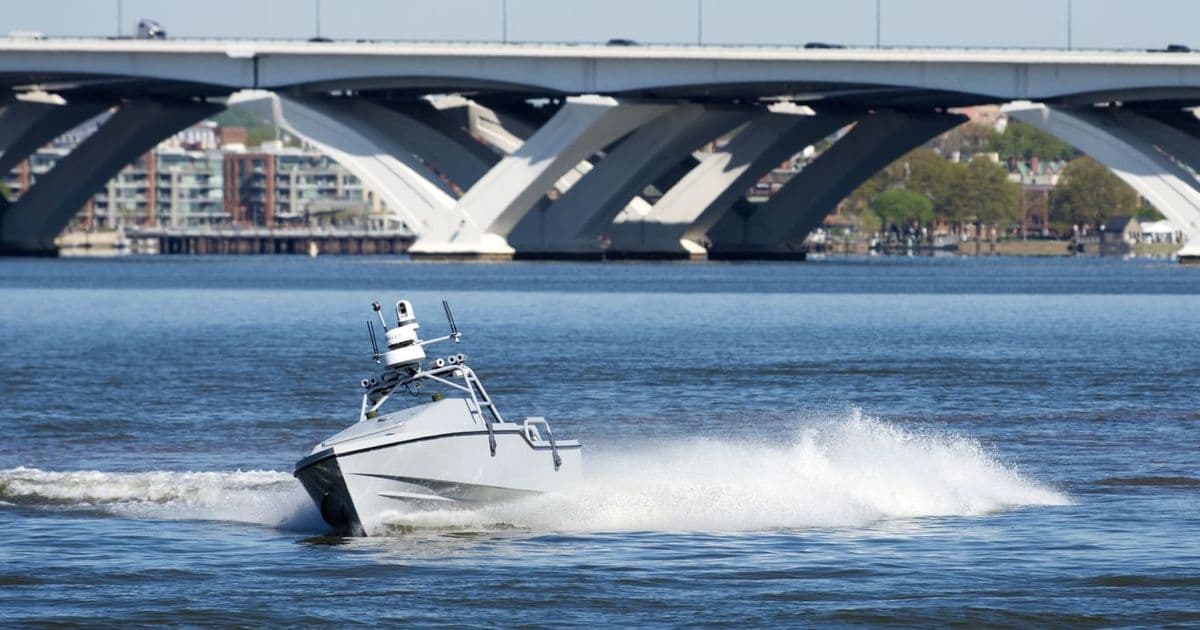
A Saronic-built autonomous surface vessel reportedly pulled a downed U.S. helicopter crew out of contested water after an Iranian strike. The operational milestone lands as the autonomous maritime startup pushes toward a multibillion-dollar valuation, reshaping how Washington spends on naval hardware.
An autonomous surface vessel built by Saronic was used to recover a U.S. helicopter crew shot down by Iran, according to reporting from Axios defense correspondent Colin Demarest. The rescue, carried out by an uncrewed boat operating in contested water, marks one of the clearest operational demonstrations yet that small autonomous craft are doing real work in real conflicts rather than sitting in test programs.
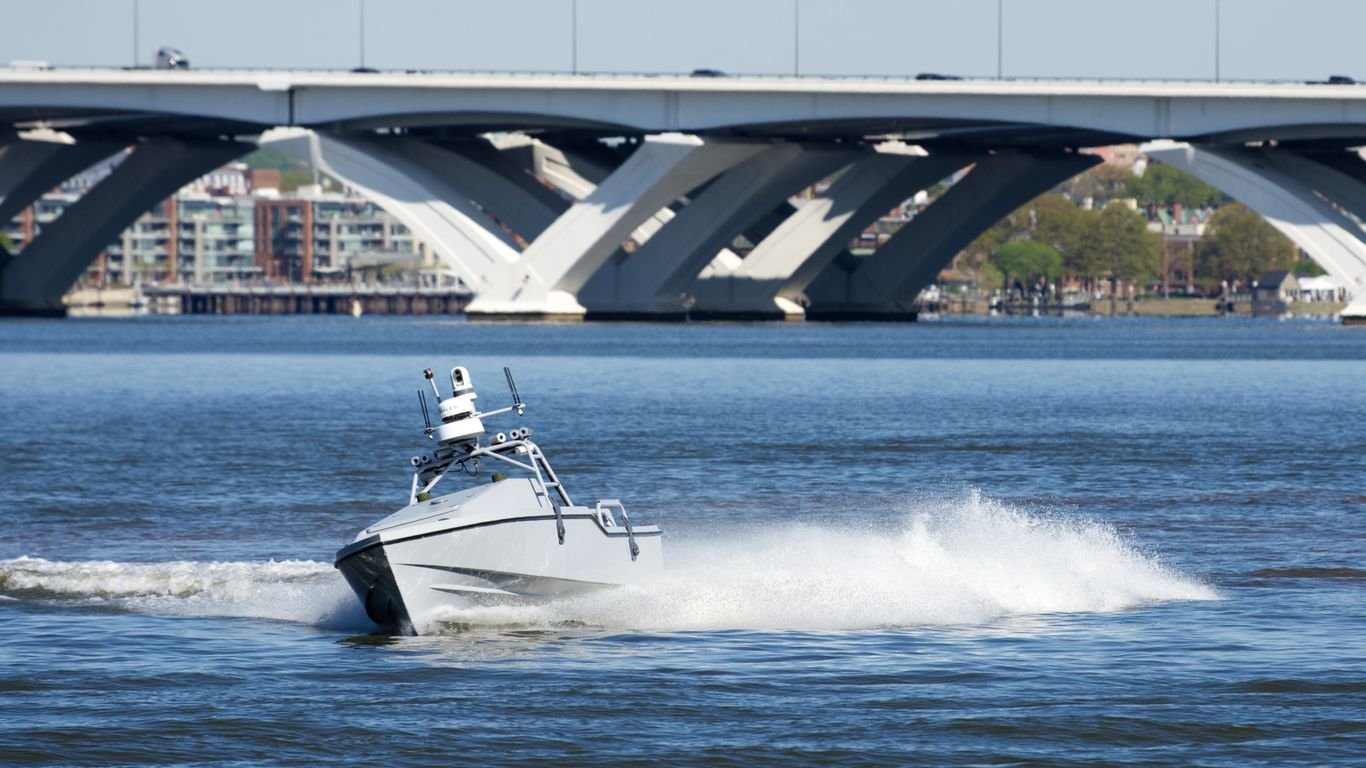
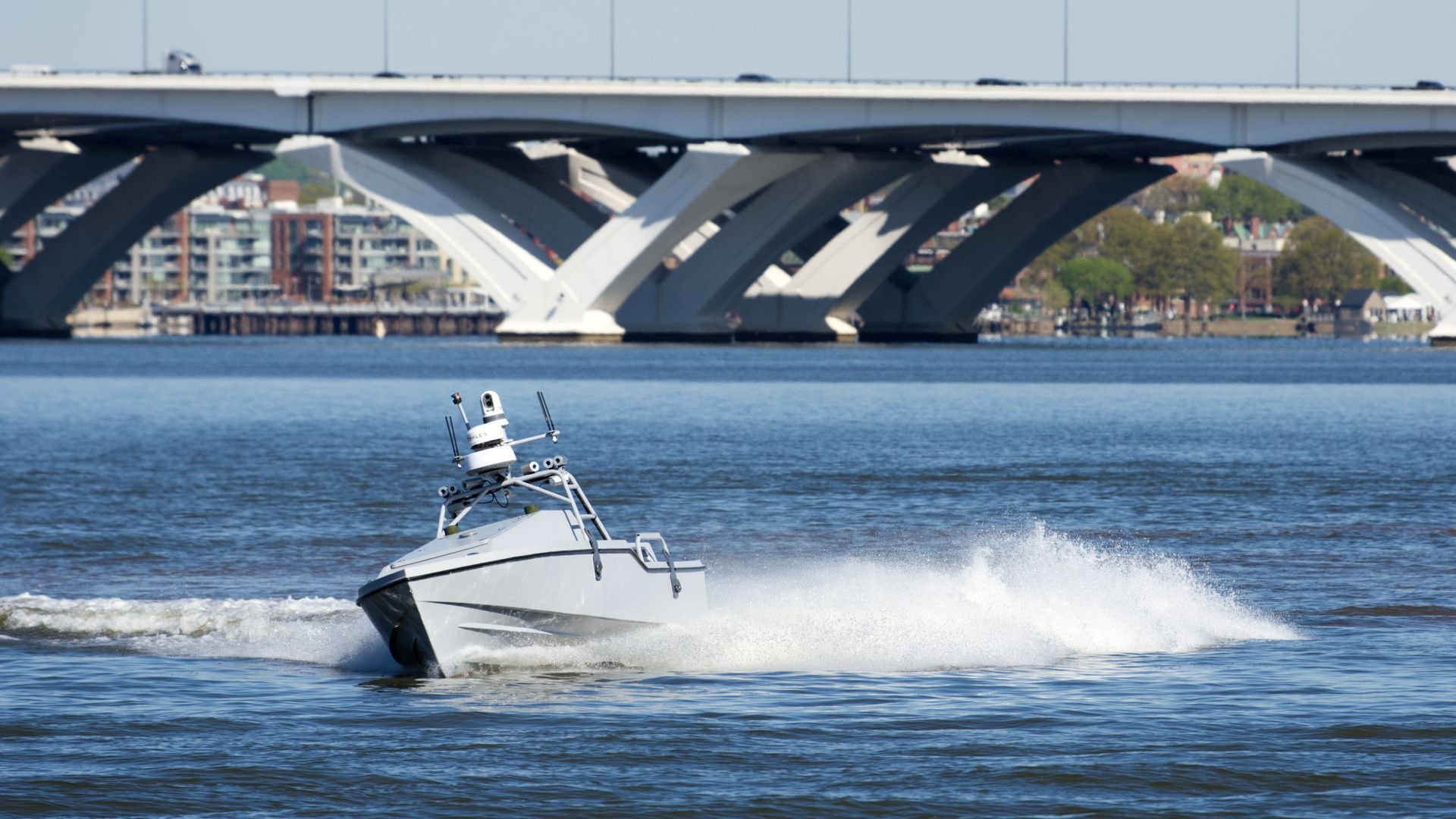
The vessel in question belongs to the same product family as the Corsair, the mid-size autonomous boat Saronic has been demonstrating publicly, including runs across the Potomac River near Washington. The company designs and builds these craft to operate without anyone aboard, handling surveillance, logistics, and now, apparently, the kind of high-risk recovery mission that would otherwise put a second crew at risk.
What happened
Details released so far are thin, which is typical for an operation involving active hostilities. The core facts: a U.S. helicopter was downed by Iranian fire, its crew ended up in the water, and an uncrewed Saronic boat performed the recovery instead of sending manned assets back into the threat envelope. That sequence is exactly the use case the autonomous maritime sector has been selling to the Pentagon for three years. Seeing it executed against a state adversary, rather than in a sanitized exercise, changes the conversation from theoretical capability to demonstrated performance.
For a procurement system that has historically rewarded large, expensive, crewed platforms, a successful combat recovery by a comparatively cheap robot boat is the kind of data point that moves budgets.
The company behind the boat
Saronic Technologies, founded in 2022 and based in Austin, Texas, has become one of the fastest-rising names in defense hardware. The company raised a $600 million Series C in early 2025 that valued it at roughly $4 billion, a remarkable figure for a firm that was barely two years old and building physical ships rather than software. The round drew capital from Andreessen Horowitz, General Catalyst, and 8VC, among others, placing it firmly in the cohort of venture-backed defense companies that investors now treat as a distinct asset class.
That valuation only makes sense against the backdrop of where the money is flowing. The U.S. Navy has spent years struggling to expand its fleet through traditional shipbuilding, where individual vessels run into the billions and timelines stretch across decades. Autonomous surface vessels invert that math. A Corsair-class boat costs a fraction of a manned ship, can be produced quickly, and is attritable, meaning commanders can risk losing it without risking lives or a major chunk of the budget.
Saronic has been explicit about scaling production. The company announced plans for a large shipyard, branded Port Alpha, with a stated goal of building autonomous vessels at volumes that conventional yards cannot match. That manufacturing bet is the real story for anyone tracking the business. Demonstrating a single successful mission is one thing; building the industrial base to deliver hundreds or thousands of these craft is what turns a hot startup into a structural supplier to the U.S. military.
Market context
The rescue lands in the middle of a broader repricing of defense technology. The Replicator initiative, the Pentagon program aimed at fielding thousands of attritable autonomous systems quickly, has explicitly targeted the kind of low-cost, mass-producible platforms that companies like Saronic, Anduril, and Shield AI build. The strategic logic is driven by the Indo-Pacific, where the distances are vast and the prospect of conflict with a peer adversary makes cheap, numerous, expendable systems far more attractive than a handful of exquisite, irreplaceable ones.
The competitive field is filling out fast. Anduril has its Dive and Ghost lines and a sprawling autonomy software stack. Established primes including L3Harris, through its acquisition of Sea Machines-adjacent capabilities and other autonomy investments, are moving to defend territory. Smaller players are chasing specific niches in undersea and surface autonomy. What separates Saronic so far is the combination of a high private valuation, an aggressive manufacturing posture, and now a visible operational win in a real shooting environment.
That last factor matters more than investors sometimes credit. Defense procurement rewards demonstrated reliability under fire. A company that can point to a documented combat mission has a credibility advantage that no amount of marketing or simulated testing replicates. It also gives program managers political cover to direct contracts toward newer suppliers, which has historically been the hardest barrier for venture-backed defense firms to clear.
What it means
Three implications stand out for the business of defense.
First, the valuation thesis gets validated. Investors who bet $600 million on Saronic at a $4 billion mark were pricing in exactly this kind of operational adoption. A successful combat recovery is evidence the thesis is tracking, which strengthens the case for the next round and for the broader pool of capital flowing into hardware-heavy defense startups.
Second, the procurement signal is loud. If uncrewed surface vessels can perform recovery and other missions in contested water, the Navy's calculus on fleet composition shifts. Every dollar spent on attritable autonomy is a dollar with a different risk and cost profile than traditional shipbuilding, and Congress tends to follow demonstrated results when allocating future budgets.
Third, the manufacturing race becomes the decisive battleground. Demonstrating capability is now table stakes. The companies that win the largest contracts will be the ones that can produce at scale, on schedule, and at predictable cost. Saronic's Port Alpha bet is essentially a wager that industrial throughput, not just clever engineering, determines who supplies the autonomous fleet of the next decade.
The rescue itself was about getting a crew home alive. The market reading it is asking a colder question: how many more boats, how fast, and at what price. For Saronic and its investors, an operational win against a state adversary is the strongest possible answer to all three.
Comments
Please log in or register to join the discussion