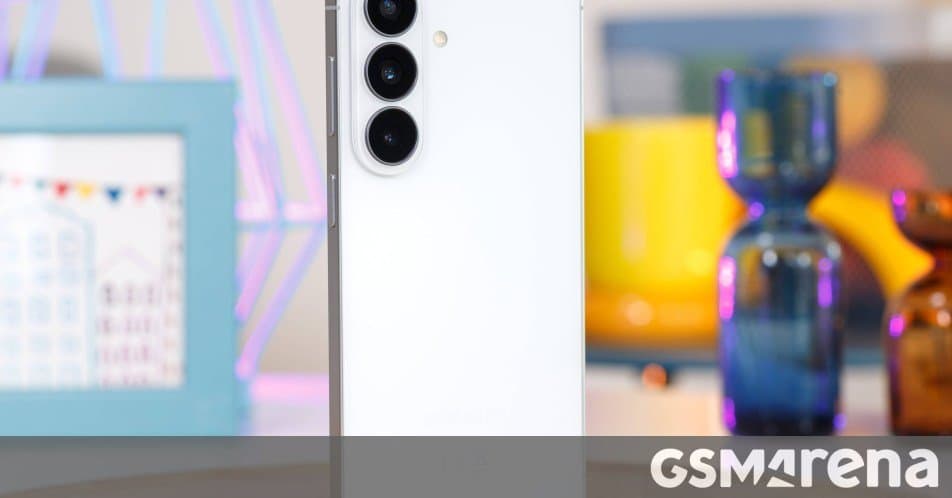
The first semi-official trace of Samsung's next flagship has appeared in the GSMA's IMEI database. The listing confirms the Galaxy S27 name, a US carrier variant, and adds fuel to rumors about a BOE-supplied display, Exynos 2700 silicon, and a fourth model joining the lineup.
Samsung's next flagship has made its first appearance in a public database, months ahead of any official announcement. The Galaxy S27 has been spotted in the GSM Association's IMEI registry, the global system that assigns identification numbers to every mobile device before it can connect to a cellular network. For phone watchers, this kind of listing is usually the earliest verifiable sign that a device has moved from rumor to actual production planning.
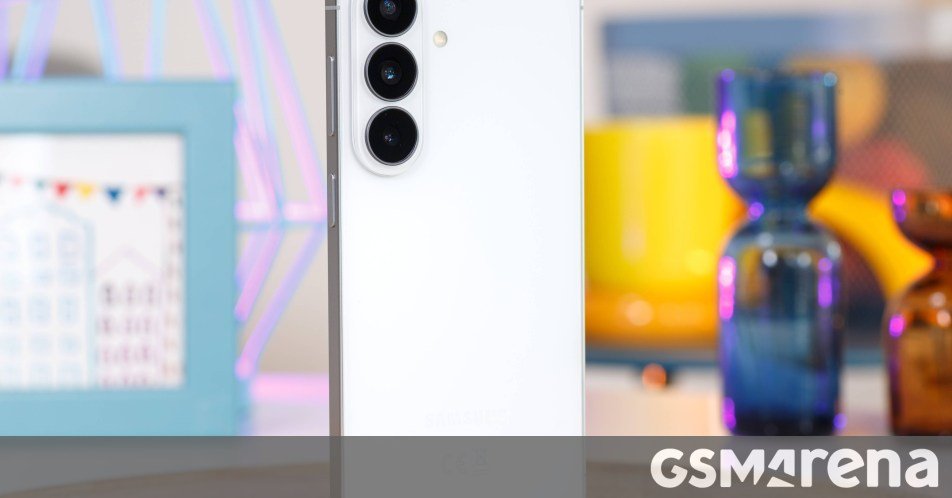
The entry confirms two concrete details: the device's commercial name and its base model number, SM-S952. Samsung appends a letter to that root number to indicate the intended market. The specific variant that turned up is the SM-S952U, where the U designates a unit headed for US carriers. If you have followed Samsung's naming over the years, this slots in cleanly above the Galaxy S26 line and follows the company's predictable model-number cadence.
Why an IMEI listing matters
An IMEI database entry is not a spec sheet, and it does not reveal hardware details on its own. What it does provide is a timestamped confirmation that a device exists in Samsung's pipeline and has a defined model identity. Manufacturers register IMEI ranges as part of the groundwork required to legally sell and certify a phone, so seeing the SM-S952U here means the US variant destined for the big three carriers is far enough along to need its allocation.
That the Galaxy S27 is real and coming to American carriers is hardly a shock. Samsung releases a new S-series flagship every year, and the US has always been a core market. The value of this listing is in the timeline it kicks off. IMEI registration typically comes first, followed over the next several months by a cascade of regulatory certifications across different regions, including bodies like the FCC, Bluetooth SIG, and various national telecom authorities. Each of those filings tends to leak more substantial information, from battery capacities to wireless specifications, so this entry is best read as the starting gun for a long pre-launch leak season.
What the rumors say so far
Beyond the database confirmation, several reports have started painting a picture of the S27's hardware direction. One of the more interesting claims involves the display. Rumors suggest the Galaxy S27's panel may be supplied by China's BOE rather than Samsung Display, the company's in-house panel division. BOE has reportedly been pitching Samsung lower-priced OLED panels for the S27 series, which would be a notable supply-chain shift for a flagship line that has long relied on Samsung's own screens. For buyers, panel sourcing rarely changes the day-to-day experience in obvious ways, but it can affect color tuning, brightness ceilings, and the consistency Samsung is known for.
On the silicon side, the Galaxy S27 is expected to run Samsung's own Exynos 2700 chipset in at least some markets. Samsung has spent years alternating between its Exynos processors and Qualcomm's Snapdragon parts depending on region, and the early indication is that the US may again sit outside the Exynos rollout. That would likely leave American units on a Snapdragon variant, mirroring the split Samsung has used repeatedly to keep its highest-performing chip in key markets while deploying Exynos elsewhere.

There is also word that the S27 family will grow to four members, up from the three-model structure of recent generations. Samsung has typically shipped a base model, a Plus, and an Ultra, so a fourth entry hints at either a new tier or a return of a variant like an Edge or FE-style device positioned within the flagship window. Separate leaks have already touched on the Galaxy S27 Pro's camera and battery, suggesting Samsung is reshuffling how it segments the lineup. Until certifications fill in the gaps, the exact roster remains speculative.
Ecosystem context
For anyone already invested in Samsung's world, a new flagship is rarely just a phone purchase. The S-series anchors a broader ecosystem that includes Galaxy Watch wearables, Galaxy Buds, the Tab tablet line, and Samsung's DeX desktop mode, all of which lean on tight integration that works best when you stay within the brand. Samsung's One UI software layer, built on top of Android, also carries features like seamless handoff between Galaxy devices and deep ties to Samsung's own apps and cloud services. That integration is convenient, but it is also the kind of lock-in worth weighing if you are deciding whether to upgrade within the family or jump platforms entirely.
Samsung has also committed to long software support windows on recent flagships, with multiple years of OS upgrades and security patches, which makes the S-series a reasonable long-term hold. Whatever Android version ships at launch, expect Samsung to keep the S27 current well into the next decade, a factor that increasingly matters as much as raw specs.
When to expect it
Based on the listing and Samsung's established release rhythm, the Galaxy S27 family is expected to become official in January. That fits the company's recent pattern of opening the year with its flagship reveal, usually at a dedicated Galaxy Unpacked event. Between now and then, anticipate a steady stream of certifications and leaks that gradually confirm specs, pricing structure, and the shape of that rumored fourth model. For now, the IMEI entry is the first solid thread, and it confirms the most basic fact of all: the Galaxy S27 is on its way.
You can track upcoming certifications and device details through resources like the GSMA's device database and Samsung's official Galaxy lineup pages as launch approaches.
Comments
Please log in or register to join the discussion