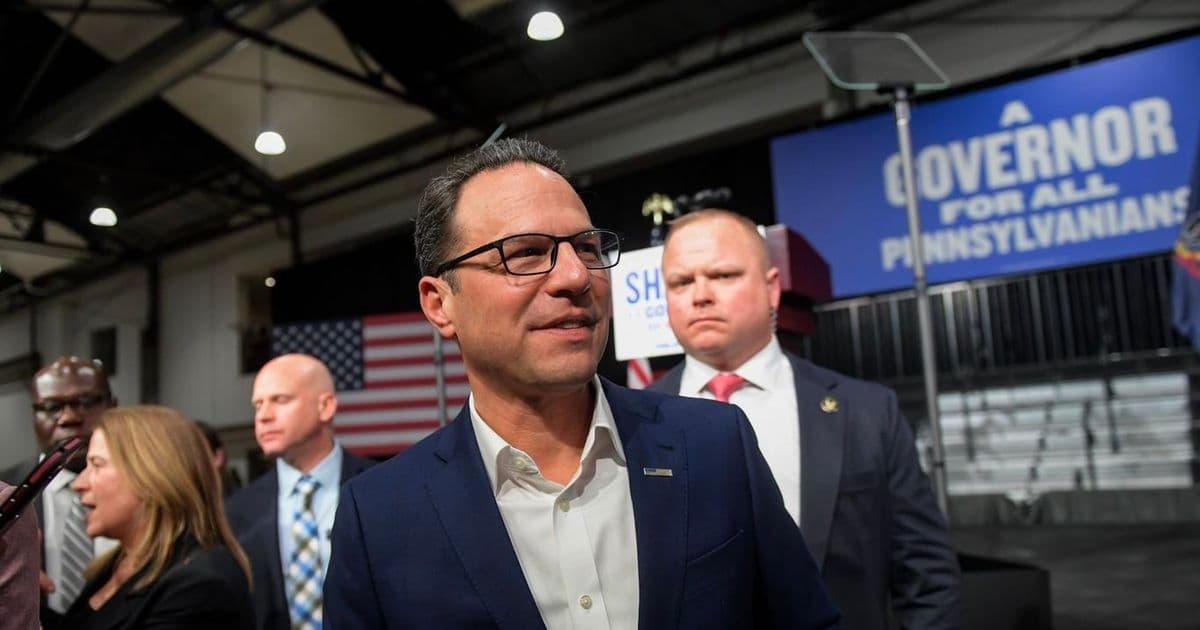
Pennsylvania Governor Josh Shapiro's new book offers a rare personal look at his upbringing in a troubled household, providing context for his political rise and policy priorities in a key swing state.
Pennsylvania Governor Josh Shapiro's new memoir, The Long Run, provides an unprecedented look into his personal history, detailing an "unhappy childhood home" that shaped his political philosophy and governance approach. The book, which Axios obtained in advance of its official release, reveals how Shapiro's early experiences with family instability and economic hardship directly inform his current policy priorities in Pennsylvania.
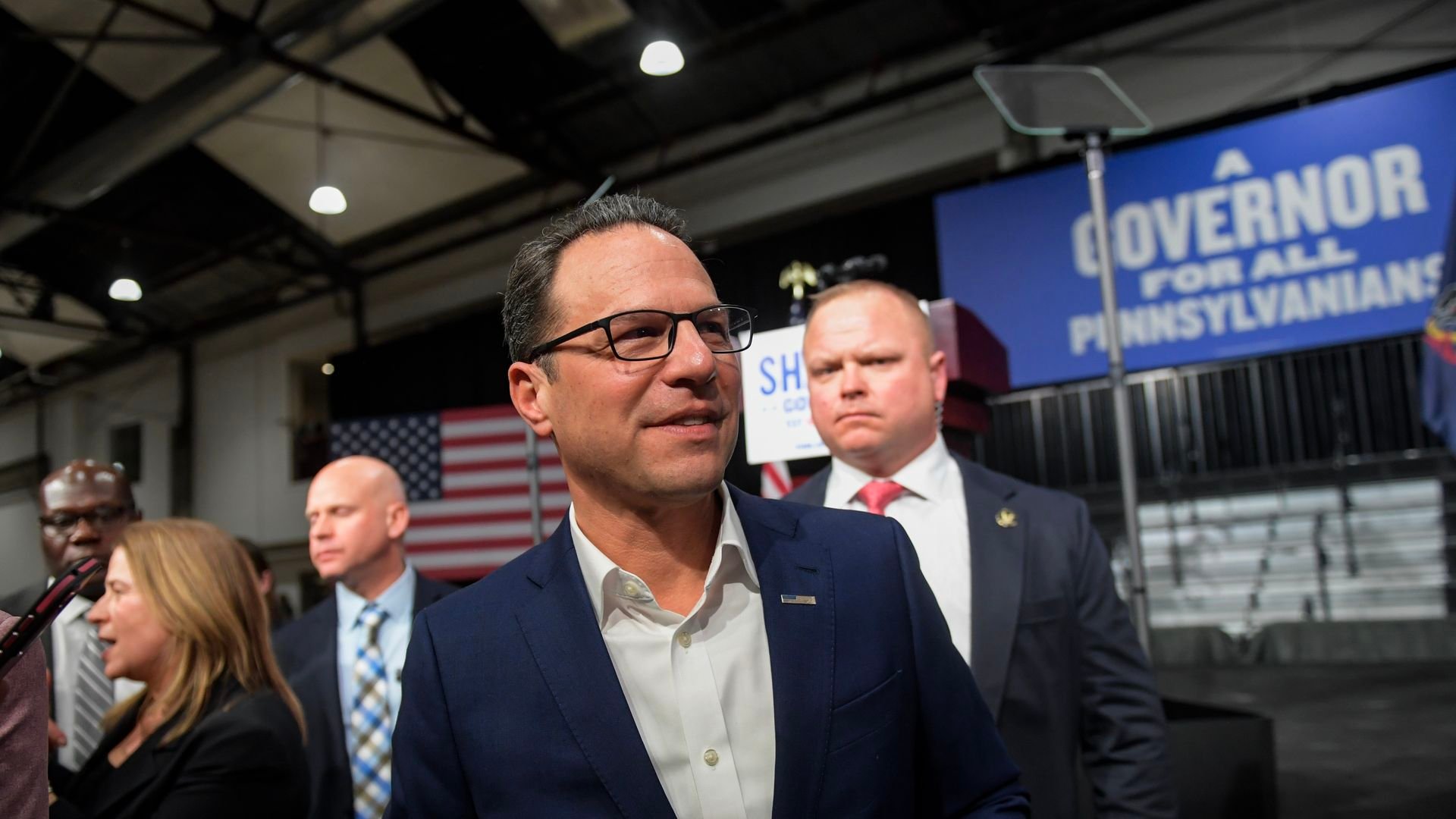
The Long Run describes a childhood marked by financial uncertainty and domestic tension in Montgomery County, Pennsylvania. Shapiro writes about his father's struggles with employment and the family's eventual move to a smaller home after financial difficulties. These experiences, he explains, created a "profound sense of instability" that later drove his commitment to creating economic security through government policy. The memoir positions these personal challenges as foundational to his political identity, particularly his focus on workforce development and economic mobility programs.
The book's release comes at a critical moment for Shapiro, who recently announced his reelection bid for 2026. Political analysts note that the personal narrative serves multiple strategic purposes: it humanizes a politician often seen as pragmatic and policy-focused, creates emotional connection with voters facing similar challenges, and provides a framework for understanding his policy priorities. Shapiro's emphasis on education funding, job training programs, and economic development initiatives throughout his first term aligns directly with the themes of instability and opportunity that run through his personal story.
Pennsylvania's political landscape makes Shapiro's personal narrative particularly significant. As governor of a state that voted for Biden in 2020 but has a Republican-controlled legislature, Shapiro has positioned himself as a pragmatic centrist who can bridge partisan divides. The memoir's emphasis on his working-class roots and family struggles may help him maintain appeal across demographic lines in a state where economic anxiety remains a dominant political theme. His policy record—increasing education funding, expanding Medicaid, and launching workforce development programs—directly addresses the economic insecurities he describes in his upbringing.
The book also provides insight into Shapiro's political evolution. He traces his entry into public service to his experiences watching his parents navigate economic challenges, describing a moment in his early twenties when he realized government could be a tool for addressing systemic inequalities. This perspective has shaped his approach to governance, which emphasizes incremental progress and bipartisan cooperation over ideological purity. His administration's focus on practical solutions rather than partisan battles reflects this philosophy.
The Long Run includes several specific policy connections to his personal history. Shapiro details how his family's experience with healthcare costs influenced his support for Medicaid expansion in Pennsylvania. His description of watching his father struggle to find stable employment informs his administration's emphasis on job training programs and partnerships with community colleges. The book also explains his commitment to increasing funding for public schools, noting how his own educational opportunities provided a path out of economic hardship.
Political observers are watching how voters will receive this more personal side of Shapiro. While some critics argue the memoir could be seen as political positioning ahead of his reelection campaign, others note that Shapiro has consistently emphasized these themes throughout his career. The book's timing—released nearly two years before the 2026 election—suggests a longer-term effort to build a narrative around his governance rather than immediate campaign messaging.
The memoir also touches on Shapiro's role in national politics, including his consideration as a potential running mate for Vice President Kamala Harris in 2024 and his work on the Democratic National Committee. He describes these experiences as extensions of his commitment to addressing economic inequality at both state and national levels. His approach to these higher-profile roles, as described in the book, remains consistent with his state-level governance: pragmatic, policy-focused, and grounded in his personal experiences with economic instability.
The Long Run ultimately presents Shapiro as a governor whose policy priorities are deeply rooted in his personal history. By connecting his childhood experiences of economic uncertainty to his current focus on creating economic opportunity for Pennsylvania residents, Shapiro aims to build a coherent narrative that explains both his political rise and his governance philosophy. For Pennsylvania voters, the book offers a window into the motivations behind policies that affect their daily lives—from education funding to job training programs—while potentially strengthening Shapiro's connection with constituents who share similar backgrounds of economic hardship.
Comments
Please log in or register to join the discussion