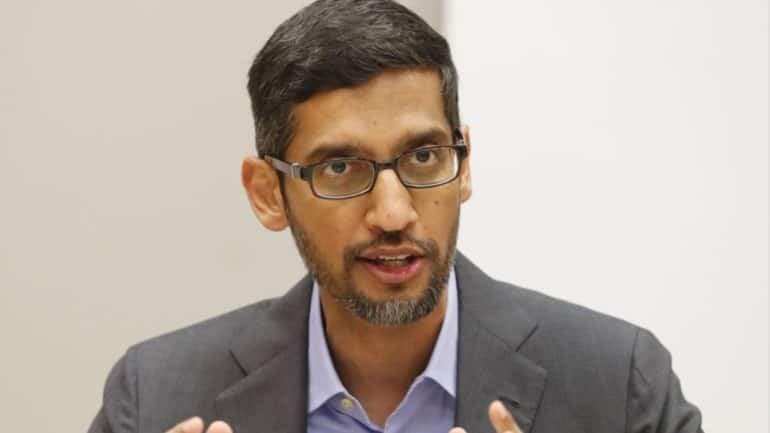
Alphabet's new compensation plan for Sundar Pichai could reach $692 million over three years, raising questions about executive pay in the tech industry.
Google CEO Sundar Pichai could earn up to $692 million under a new stock-heavy pay plan approved by Alphabet's board, according to a recent SEC filing. The compensation package represents a significant increase from his previous arrangements and includes multiple performance-based incentives tied to both company-wide metrics and individual business unit growth.
The structure of Pichai's compensation reflects a common approach among major technology companies, where executive pay is increasingly tied to long-term performance metrics rather than fixed salaries. The package includes performance stock units worth up to $252 million, depending on how Alphabet's total shareholder return compares to companies in the S&P 100 index. If the company significantly outperforms its peers, the payout could reach twice the target amount, while underperformance could result in no payout at all.
In addition to the performance-based components, Pichai will receive $84 million in restricted stock over the next three years, along with $130 million in Waymo shares and $45 million in Wing Aviation stock. These business-specific incentives are designed to align his interests with the growth of Alphabet's emerging technology ventures. His base salary remains at $2 million annually.
The timing of this compensation package is notable given Alphabet's market performance under Pichai's leadership. Since becoming CEO in August 2015, the company's market capitalization has grown from approximately $535 billion to around $3.6 trillion, briefly exceeding $4 trillion in January. This growth has contributed to the value of stock-based compensation for executives across the company.
Pichai and his wife Anjali currently hold about 1.67 million Alphabet shares worth approximately $498 million. Forbes estimates his personal net worth at $1.5 billion, though much of this wealth is tied to his holdings in Alphabet stock.
This compensation structure follows a broader trend in the technology sector, where companies are increasingly using performance-based metrics to determine executive pay. In November 2025, Tesla shareholders approved a new performance-based compensation plan for CEO Elon Musk that could be worth up to $1 trillion over the next decade, depending on the company's achievement of specific milestones.
Critics of such compensation packages argue that they contribute to growing income inequality and may incentivize executives to prioritize short-term stock price gains over long-term company health. Supporters contend that these packages are necessary to attract and retain top talent in a competitive industry, and that the performance-based elements ensure executives are rewarded only when they deliver results for shareholders.
The debate over executive compensation in the technology sector reflects broader questions about corporate governance and the appropriate balance between rewarding leadership and ensuring fair treatment of employees and shareholders. As companies continue to grow in size and influence, these compensation structures will likely remain a topic of discussion among investors, employees, and the public.
For context, the $692 million potential payout represents a significant increase from previous years, though it's important to note that much of this compensation is contingent on meeting specific performance targets. The actual amount Pichai receives will depend on Alphabet's performance relative to its peers and the success of its various business units over the next three years.
This compensation structure also highlights the unique position of technology companies in the current economic landscape. With massive market capitalizations and dominant positions in their respective markets, these companies have the resources to offer compensation packages that would be unthinkable in other industries. Whether this trend will continue or face increasing scrutiny from shareholders and regulators remains to be seen.
Comments
Please log in or register to join the discussion