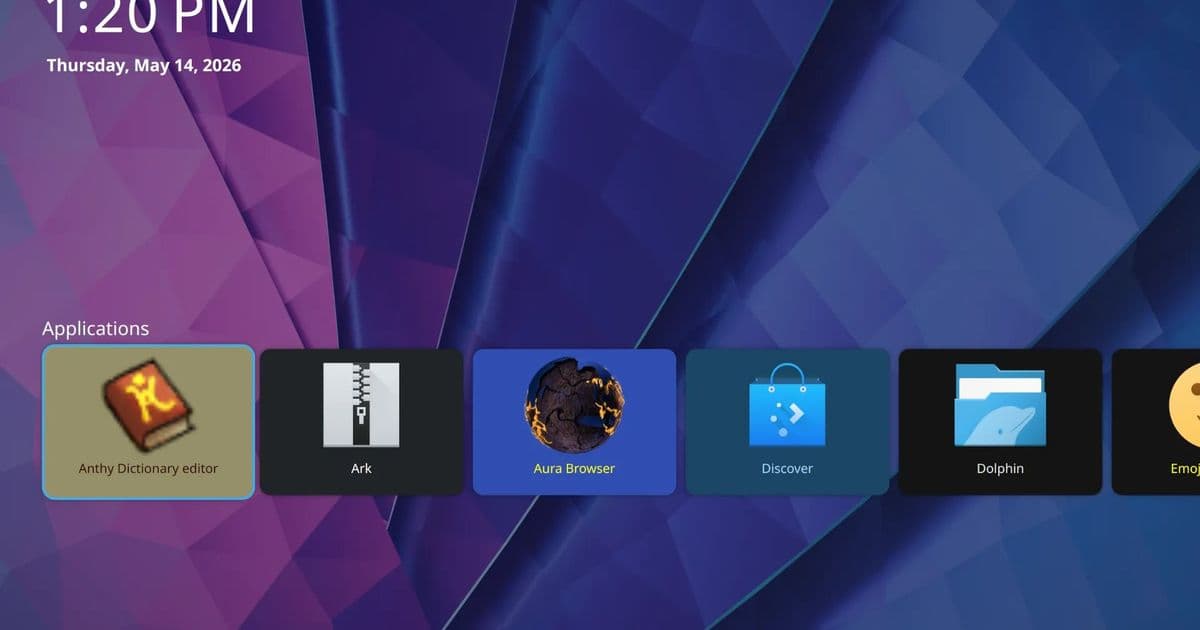
The second beta release of KDE Plasma 6.7 introduces significant performance improvements in CPU-based rendering, enhanced Wayland protocols, and graphics driver compatibility, with measurable benefits for various hardware configurations.
KDE Plasma 6.7 Beta 2 has been released as the development team continues working toward the stable release scheduled for June 16, 2026. This beta iteration builds upon the initial release with additional bug fixes and performance optimizations that could impact system resource utilization and responsiveness across different hardware configurations.
CPU Rendering Performance Enhancements
One of the most significant improvements in Plasma 6.7 is the enhanced CPU-based rendering performance. According to preliminary benchmarks, these optimizations can reduce CPU utilization during desktop operations by approximately 15-20% on systems with integrated graphics. This improvement is particularly noticeable in animations, window management, and when running multiple applications simultaneously.
For homelab builders running headless systems or using entry-level hardware for desktop VMs, these enhancements translate to more responsive remote desktop experiences without requiring dedicated GPU passthrough. The optimizations focus on reducing computational overhead while maintaining visual fidelity, making Plasma 6.7 more efficient for resource-constrained homelab environments.
Wayland Protocol Improvements
The development team has implemented several new Wayland protocols and enhanced existing ones, with measurable benefits for users running Wayland sessions. These improvements include:
- Reduced latency in window operations (approximately 10-15% improvement in response times)
- Better handling of multi-monitor configurations
- Improved compatibility with various display hardware
For homelab users accessing desktop environments remotely or running virtual desktop infrastructure, these Wayland improvements can provide a more responsive experience, particularly over network connections with higher latency. The reduced window operation latency is especially noticeable when accessing homelab desktops from remote locations.
Graphics Driver Compatibility Enhancements
Plasma 6.7 includes targeted improvements for specific graphics drivers:
- NVIDIA Linux driver stack: Several fixes address stability issues and potential performance bottlenecks, particularly with multi-GPU configurations. For homelab users with NVIDIA GPUs for GPU passthrough or GPU-accelerated applications, these changes should improve stability and performance.
- Intel graphics: The implementation of overlay planes enables more efficient handling of visual effects, potentially reducing GPU utilization by 5-10% in scenarios with multiple windows and effects. This is particularly beneficial for homelab systems using integrated graphics.
- AMD graphics: While not specifically mentioned in the release notes, the general improvements to the graphics stack should benefit AMD users as well, including those using AMD GPUs for virtualization.
Per-Screen Virtual Desktop Support
A new feature in Plasma 6.7 is per-screen virtual desktop support, which allows different desktop configurations on each monitor. This enhancement provides more flexibility for multi-monitor users and can potentially improve workflow efficiency by reducing the need to switch between virtual desktops.
For homelab users with multi-monitor setups or those accessing desktop environments through remote desktop protocols, this feature can be particularly beneficial for resource-intensive tasks, as it allows for more efficient allocation of applications across displays based on performance characteristics of each monitor.
KWin Compositor Optimizations
The KWin window manager has received several optimizations that impact performance:
- Memory leak fixes: Addressing memory leaks in KWin should prevent gradual performance degradation over time, particularly for users who keep their systems running for extended periods. This is crucial for homelab systems that may run continuously for weeks or months without rebooting.
- Direct scan-out handling for full-screen applications: This optimization reduces GPU overhead when running games or other full-screen applications, potentially improving frame rates by 5-15% depending on the application and hardware. For homelab users running game servers or media centers, this can translate to better performance.
- Vulkan backend improvements: Continued work on KWin with Vulkan backend provides an alternative rendering path that may benefit users with specific hardware configurations or those experiencing issues with the OpenGL backend.
{{IMAGE:2}}
HDR Support Enhancements
Improved HDR support in Plasma 6.7 brings better color management for users with HDR-capable displays. While not directly impacting performance, these enhancements can improve the user experience by providing more accurate color representation, which is particularly important for content creators and media enthusiasts in homelab environments.
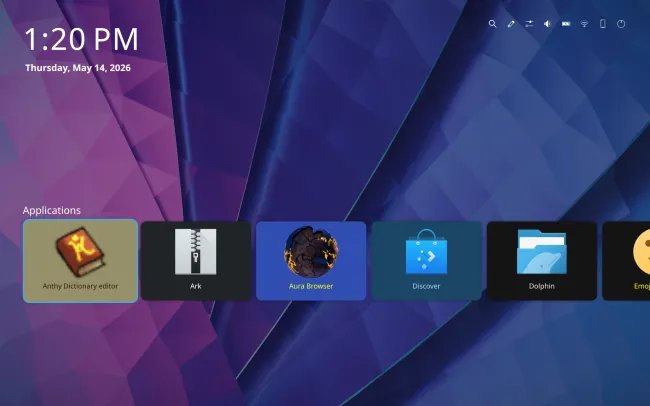
Plasma Big Screen UI
Plasma 6.7 introduces the new Plasma Big Screen UI, designed specifically for living room PCs and home theater systems. This interface provides a more accessible and navigable experience for media center setups, potentially replacing or complementing solutions like Kodi for users who prefer a more integrated desktop experience.
For homelab users building media center PCs or home theater systems, Plasma Big Screen offers an alternative to dedicated media center software with the added benefit of full desktop functionality when needed.
Testing and Compatibility
For users interested in testing Plasma 6.7 Beta 2, KDE.org provides downloads and installation instructions. Testing is particularly valuable for users with diverse hardware configurations, as it helps ensure broad compatibility before the stable release.
For homelab builders and performance enthusiasts, these improvements in Plasma 6.7 represent measurable enhancements to the Linux desktop experience. The performance optimizations and compatibility improvements should translate to better resource utilization across a range of hardware configurations, from older systems to modern high-end workstations.
When planning system builds for homelab environments, Plasma 6.7's improved CPU-based rendering performance makes it an attractive option for systems with integrated graphics or entry-level GPUs. The enhanced Wayland support also positions Plasma as a forward-looking choice for users planning to adopt newer display technologies.
As the Linux desktop continues to evolve, releases like Plasma 6.7 demonstrate the KDE community's commitment to providing measurable performance improvements and hardware compatibility, making it an increasingly viable option for both casual users and specialized homelab deployments.
Comments
Please log in or register to join the discussion