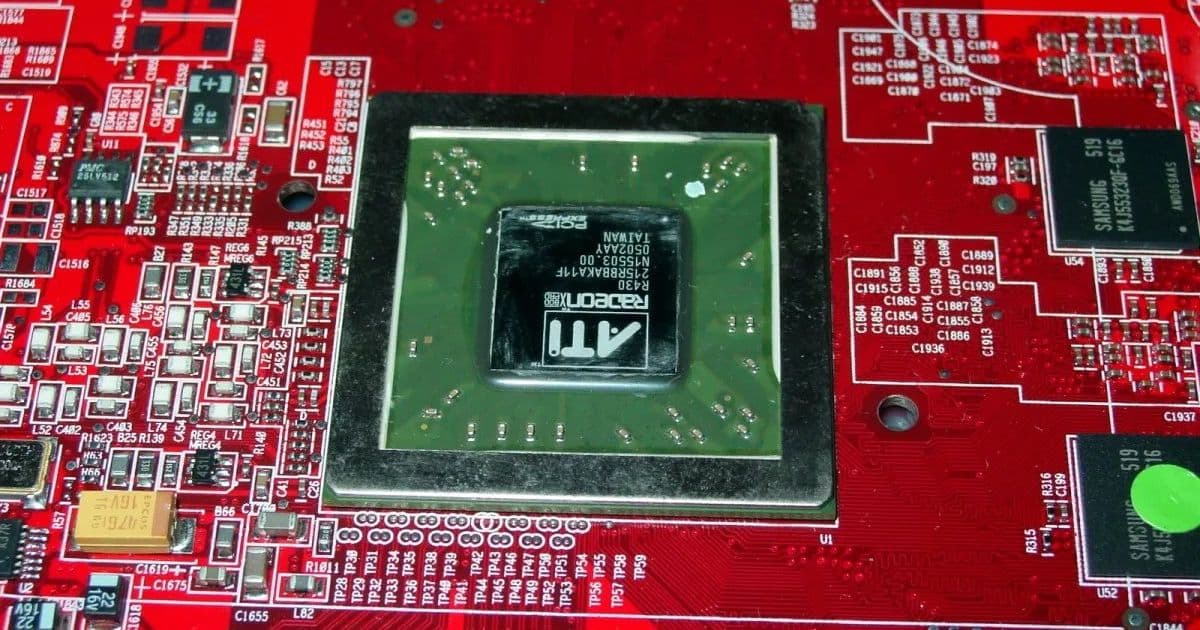
The open-source R300 Gallium3D driver is shedding its legacy TGSI intermediate representation in favor of NIR, ensuring the longevity of hardware from the R300 to R500 eras.
The Mesa 3D graphics stack is receiving a significant architectural update for one of its oldest supported hardware families. A major rework has been merged into Mesa 26.2 that restructures how the R300 Gallium3D driver handles its intermediate representation (IR), effectively removing the dependency on TGSI (Tungsten Graphics Shader Infrastructure).
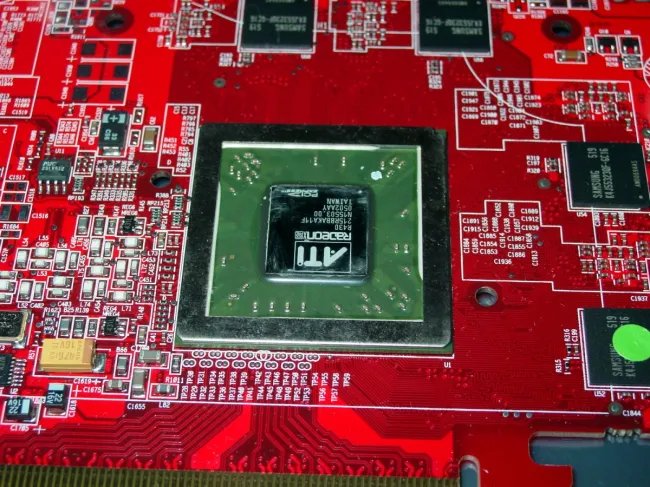
The R300 driver supports a range of legacy ATI hardware spanning from the R300 through the R500 series. For years, these drivers relied on TGSI, the original IR used by Gallium3D. While TGSI served as the standard for early open-source drivers, the modern Mesa ecosystem has shifted toward NIR (New Intermediate Representation). NIR provides a more flexible, SSA-based (Static Single Assignment) IR that allows for better optimization passes and easier backend translation.
Technical Transition: From TGSI to NIR
The transition is not a simple port but a structural overhaul of the shader compilation pipeline. Previously, the R300g driver followed a translation path of NIR -> TGSI -> RC (Radeon Compiler). This created a bottleneck where the driver had to translate modern NIR instructions back into the legacy TGSI format before the final hardware-specific compilation could occur.
Contributor Pavel Ondračka has worked to eliminate this middle step. The recent merge removes the TGSI layer, allowing the driver to move directly from NIR to the backend. This process involves:
- Removing Technical Debt: Replacing
ureg_*TGSI components with corresponding backend pieces. - Custom NIR Passes: Implementing hardware-specific NIR passes to handle constant swizzles and per-channel negation, which were previously handled during the TGSI phase.
- Backend Refinement: Adapting the backend IR to match the NIR output 1:1, reducing the overhead of the translation process.
Because the backend IR was already a close match for TGSI, the rework focused on removing the redundant translation layer. Interestingly, the development process utilized AI assistance via Codex to handle the repetitive search-and-replace tasks required to gut the legacy code.
Hardware Context and Market Implications
The R300 architecture, launched over two decades ago, introduced programmable pixel shaders to the ATI lineup, marking a shift toward the modern GPU pipeline. While these cards are obsolete for current gaming or professional workloads, they remain relevant for retro-computing enthusiasts and developers maintaining legacy Linux distributions.
From a supply chain and maintenance perspective, this rework is about sustainability. Maintaining multiple IR paths within a single driver stack increases the surface area for bugs and complicates the codebase for maintainers. By aligning the R300g driver with the NIR standard used by modern AMD Radeon drivers, the community reduces the maintenance burden.
{{IMAGE:2}}
This move prevents the R300 driver from becoming a technical island. As the rest of the Mesa project evolves, drivers that still rely on TGSI risk being deprecated or broken by changes to the core Gallium3D infrastructure. By migrating to NIR, the R300 series gains access to the same optimization infrastructure that benefits modern GPUs, even if the performance gains are marginal on 24-year-old silicon.
The ongoing development can be tracked via the r300_no_tgsi Git branch, where the final paths for draw switches and remaining edge cases are being addressed. This effort ensures that legacy hardware continues to function in modern Linux environments without requiring a separate, branched driver stack.
Comments
Please log in or register to join the discussion