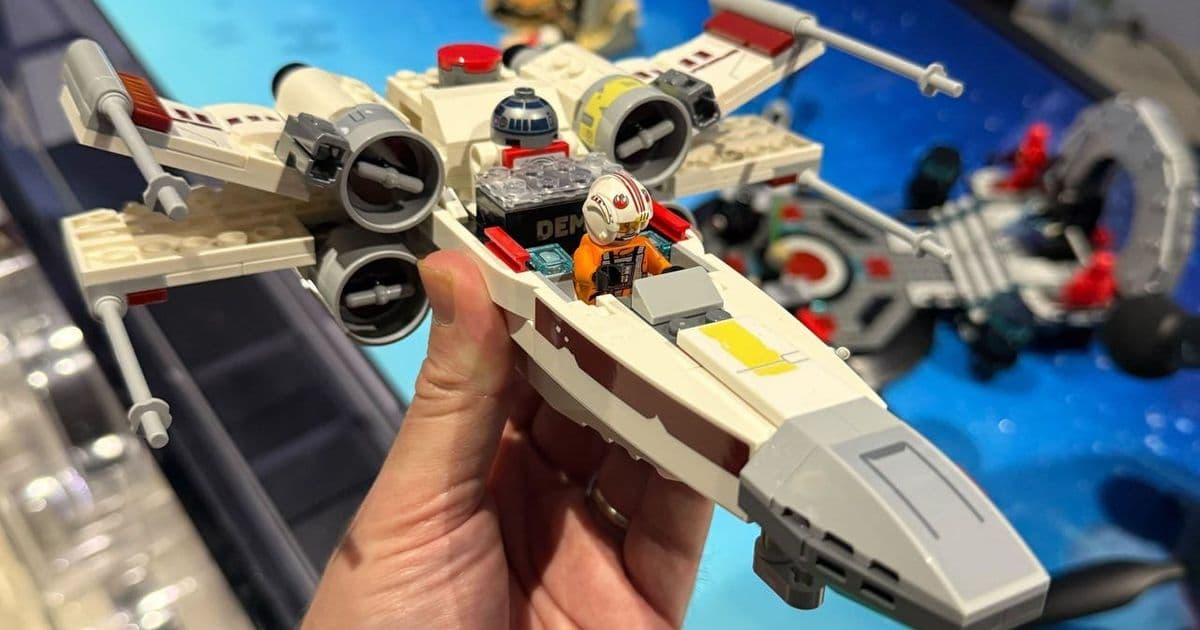
Lego defends its Smart Brick innovation against criticism that it signals abandonment of physical play, emphasizing digital integration complements rather than replaces its core offerings.
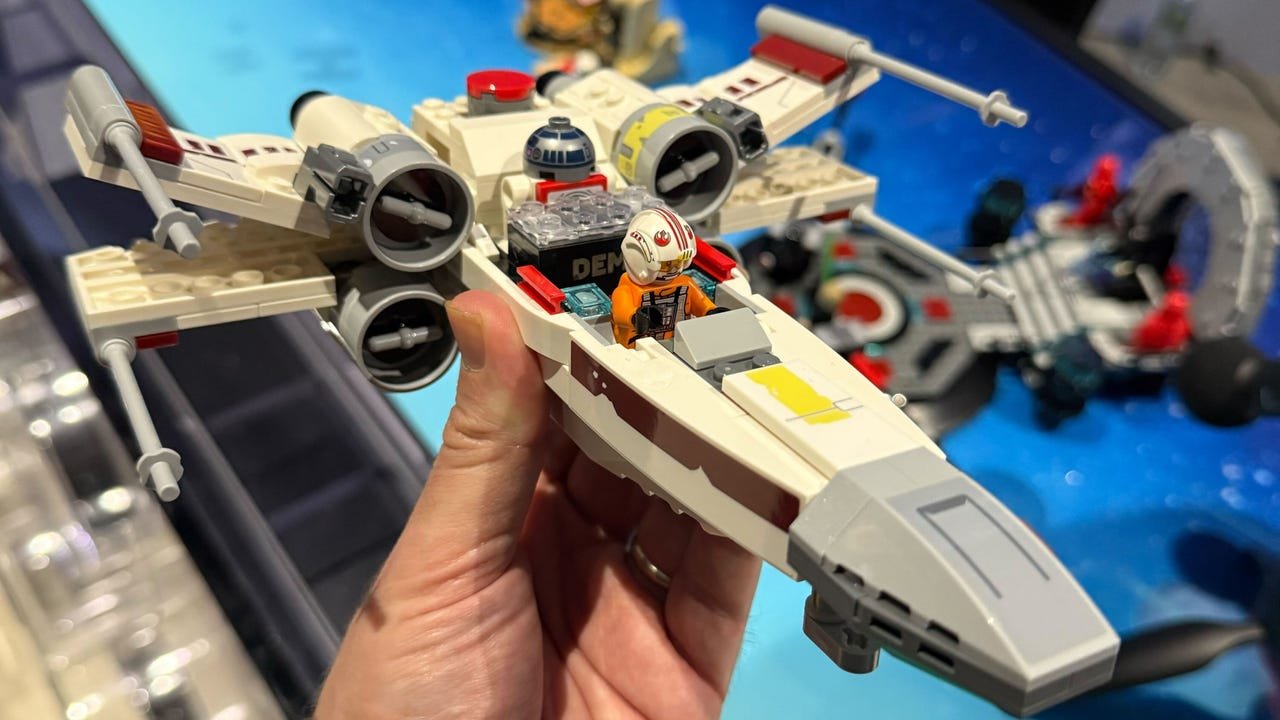
Lego’s announcement of its Smart Brick technology has ignited a passionate debate about the role of digital integration in traditional toys. The Danish toy giant, facing criticism from educators and long-time fans about potentially abandoning tactile play, clarified that its new connected brick system is "here to stay" but stressed that "this does not mean that we're leaving our core proposition behind." This tension highlights a broader industry pivot toward hybrid play experiences, raising questions about how legacy brands balance innovation with foundational values.
The Smart Brick (official preview) embeds sensors and connectivity in standard Lego pieces, enabling interactive features like motion detection, sound effects, and app integration. For example, structures built with these bricks can trigger digital animations when manipulated or connect to coding platforms for educational projects. Designed for ages 6+, the system targets schools and home users seeking STEM integration, with starter kits priced at $129.
Critics argue the move risks diluting Lego’s hands-on creative ethos. Advocacy groups like Hands-On Learning Alliance warn that screen-based features could undermine fine motor skill development and open-ended play. "Lego succeeded because it required imagination, not algorithms," said child psychologist Dr. Elena Torres in a BBC interview. Similar concerns emerged when Mattel launched its AI-assisted Barbie in 2024, though adoption remained niche.
In response, Lego executives point to internal studies showing Smart Brick users spend 40% more time on physical building than with pure digital games. The company plans to retain its classic product lines unchanged while positioning Smart Brick as a complementary offering. "Our physical bricks remain the heart of the experience," said Creative Lead Tomas Nissen in an IGN interview. "This is about adding layers of engagement, not replacing tactile creativity."
Market dynamics underscore the shift: traditional toy sales fell 7% globally in 2025, while STEM-focused hybrids grew 22%. Competitors like Hasbro’s programmable Nerf blasters and Nintendo’s Labo kits demonstrate convergent demand. Yet resistance persists—Lego fan communities on Reddit’s r/lego express concern about cost barriers and over-reliance on apps. As one parent commented: "Will my kids still build castles from scratch, or just follow app prompts?"
Lego’s balancing act reflects a generational pivot. The Smart Brick represents not an abandonment of principles but an acknowledgment that play evolves. With 78% of children now interacting with digital devices before age 5, the company’s challenge lies in integrating technology without eroding the tactile magic that made it iconic. As this debate continues, Lego’s dual-path strategy—honoring tradition while courting digital natives—may set a precedent for the entire toy industry.
Comments
Please log in or register to join the discussion