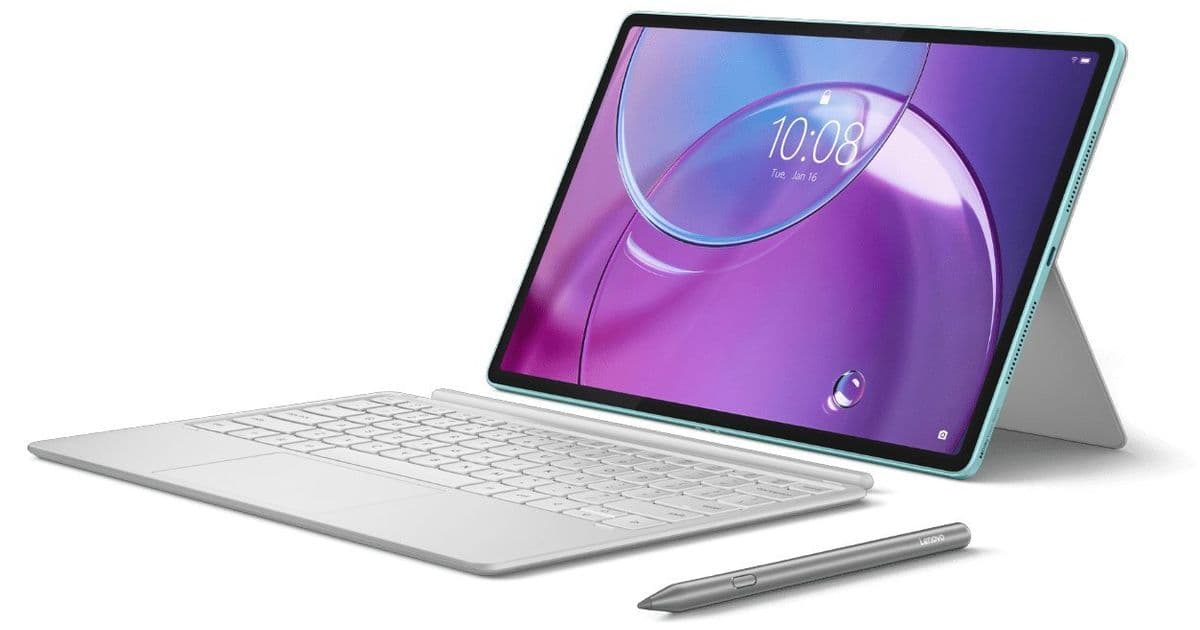
Lenovo's upcoming Idea Tab Pro Gen 2 Android tablet features a 13-inch 144Hz display, Snapdragon 8s Gen 4 processor, and new AI-powered Qira system, launching in Europe for €549+ in March 2026.
Lenovo is preparing to launch its next-generation Android tablet, the Idea Tab Pro Gen 2, which promises significant upgrades over its predecessor while embracing the AI-focused trend dominating 2026 device releases. The tablet, set to debut in Europe later this month for €549 and up, represents Lenovo's vision for premium Android tablets with integrated artificial intelligence capabilities.
At the heart of the new tablet is a 13-inch display with a 3540 x 2190 pixel resolution and 144 Hz refresh rate. This high-refresh-rate panel supports both touch input and pen functionality, making it suitable for both media consumption and creative work. The display's specifications suggest Lenovo is targeting users who want a versatile device that can handle everything from casual browsing to more demanding visual tasks.
Powering the device is Qualcomm's Snapdragon 8s Gen 4 processor paired with 8GB of RAM and 128GB of storage. While not the absolute top-tier Snapdragon chipset, the 8s Gen 4 offers strong performance for most tablet use cases. The tablet also includes a 10,200 mAh battery with 45W fast charging support, addressing one of the common pain points for power users.
AI Integration with Qira System
The most notable addition to the Idea Tab Pro Gen 2 is Lenovo's new Qira "personal ambient intelligence" system. This AI framework brings several intelligent features to the tablet experience:
- Smarter Reader: Can summarize text and save selections to a notepad for later analysis
- Smart Key: A dedicated key on the optional 2-in-1 keyboard that enables quick text generation and translation using natural language prompts
- Audio Transcription: AI-assisted audio transcription capabilities
- Note-taking Enhancement: AI-powered features for taking and organizing notes
The Qira system represents Lenovo's attempt to differentiate its tablet in an increasingly competitive market where hardware specifications alone may not be enough to stand out.
Enhanced Connectivity and Expandability
Lenovo has equipped the tablet with modern connectivity options including WiFi 7 and Bluetooth 6 support. The device features a USB 3.2 Gen 1 Type-C port, microSD card reader for storage expansion, and quad speakers for improved audio quality.
An interesting design choice is the inclusion of pogo pins that connect to an optional detachable keyboard. This modular approach allows users to transform the tablet into a more laptop-like device when needed. The USB-C port also supports DisplayPort 1.4a Alt Mode, enabling connection to external displays for expanded productivity.
Pen Support and Creative Features
The tablet ships with a Lenovo Tab Pen Plus that offers 4096 levels of pressure sensitivity, tilt detection, and palm rejection. These features make the device appealing to digital artists, note-takers, and anyone who prefers pen input for certain tasks. The pen's capabilities suggest Lenovo is positioning this tablet as a creative tool, not just a consumption device.
Software Support and Longevity
One of the most practical improvements over the first-generation model is the software support timeline. While the original Idea Tab Pro will likely be limited to Android 16, the new model ships with Android 16 and promises two major OS updates. This means the Gen 2 tablet should receive Android 17 and Android 18, extending its useful life significantly.
Both models receive four years of security updates, but the timing differs. The first-gen model's support runs through 2028, while the new model will receive security updates until at least 2030. This longer support window is crucial for users who want to keep their devices for several years without security concerns.
Pricing and Market Positioning
The original Idea Tab Pro currently sells for $250 and up, making it an affordable option in the Android tablet market. However, the new model's €549 starting price represents a substantial premium. While US pricing hasn't been announced, it's expected to exceed $250, potentially placing it in competition with higher-end Android tablets and even some iPad models.
This pricing strategy suggests Lenovo is targeting a more premium segment with the Gen 2 model, betting that users will pay more for the enhanced specifications, AI features, and longer software support.
Physical Design and Build
The tablet measures 296.5 x 191.9mm x 6.2mm (7.55" x 11.67" x 0.24") and weighs 598 grams (1.32 pounds). These dimensions make it a substantial device, particularly in terms of width, which is necessary to accommodate the 13-inch display. The weight is reasonable for a tablet of this size, though it may feel heavy during extended one-handed use.
Camera specifications include a 13MP rear camera and 8MP front camera, which are adequate for video calls and occasional photography but not exceptional for a device in this price range.
Market Context and Competition
The Android tablet market has become increasingly competitive, with Samsung dominating much of the premium segment and budget options from various manufacturers filling the lower end. Lenovo's strategy with the Idea Tab Pro Gen 2 appears to be targeting users who want something between these extremes: a device with premium features and build quality but without the highest-end pricing.
The focus on AI features aligns with broader industry trends, as manufacturers look for ways to differentiate their products beyond raw specifications. Whether features like the Qira system prove compelling enough to justify the price premium remains to be seen.
For users considering this tablet, the key questions will be whether the AI features provide meaningful value, if the performance improvements over the first-gen model justify the higher cost, and how it compares to alternatives from Samsung, Apple, and other manufacturers in the same price range.
The Lenovo Idea Tab Pro Gen 2 launches in Europe in March 2026, with US availability and pricing expected to follow shortly after.
Comments
Please log in or register to join the discussion