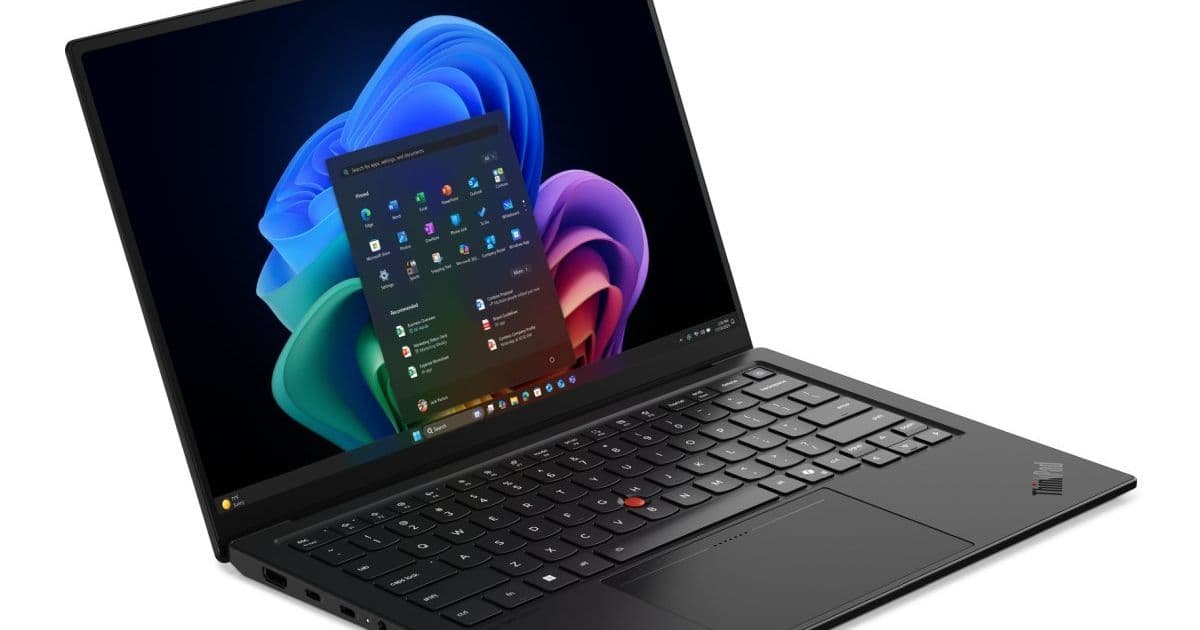
Lenovo announces new ThinkPad X1 Carbon and X1 2-in-1 models featuring Intel's upcoming Panther Lake processors, with prices starting at $2000.
Platform Update
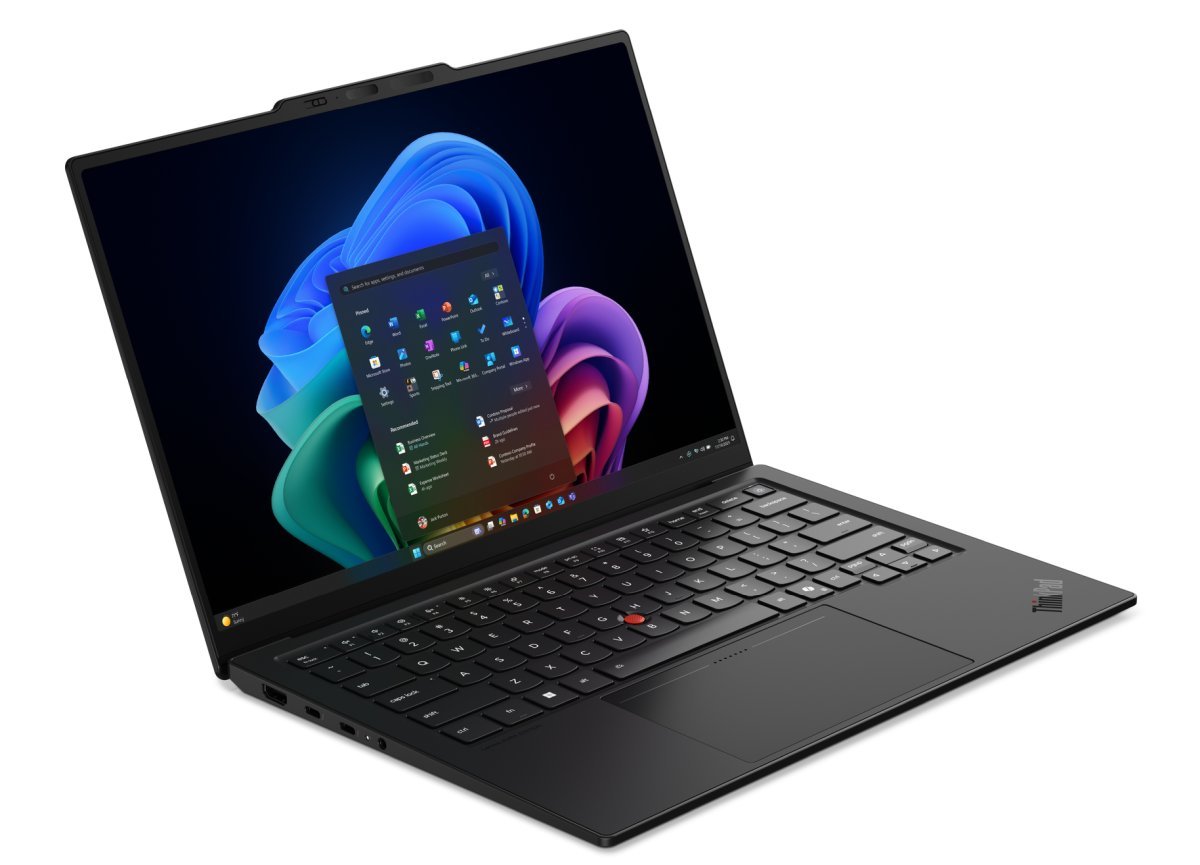
Lenovo has unveiled its next-generation ThinkPad X1 lineup, featuring the upcoming Intel Panther Lake processors. The new models include the ThinkPad X1 Carbon Gen 13 and the ThinkPad X1 2-in-1 Gen 10, with base configurations starting at $2000. These devices represent Intel's continued evolution of their mobile processor architecture, built on the 18A process node.
Developer Impact
For mobile developers maintaining cross-platform applications, these laptops signal important shifts in the Windows ARM ecosystem. Intel's Panther Lake architecture introduces enhanced NPU (Neural Processing Unit) capabilities that will directly affect how we build and test AI-powered mobile features.
The key consideration here is the NPU performance uplift. Panther Lake's NPU is expected to deliver significantly higher TOPS (trillions of operations per second) compared to current Lunar Lake chips. This matters because:
- On-device AI inference becomes more viable for complex models
- Development workflow acceleration for training and testing mobile AI features
- Power efficiency improvements during sustained ML workloads
The $2000 starting price puts these firmly in enterprise territory, which means IT departments will be evaluating these against ARM-based alternatives like the Surface Pro 10 with Snapdragon X Elite.
Migration Considerations
If you're currently developing for Windows on ARM or maintaining native ARM64 builds, Panther Lake's arrival creates a strategic decision point:
For cross-platform tools: React Native, Flutter, and .NET MAUI developers should test their applications on x86_64 emulation layers. While ARM native builds remain important, Intel's renewed focus on AI acceleration means x86 development environments will remain relevant for at least another product cycle.
For emulator performance: Android Studio's emulator and Windows Subsystem for Android will likely see performance improvements on Panther Lake due to better virtualization support. If you've been holding off on updating your Windows development machine, this generation justifies the wait.
For CI/CD pipelines: Consider maintaining both x86_64 and ARM64 build agents. The ThinkPad X1's price point suggests these will be common in enterprise build farms, so ensure your tooling works reliably on Intel's latest architecture.
Testing matrix expansion: With ARM and x86 both viable for premium Windows laptops, you'll need to expand your device testing matrix. Budget for at least one Panther Lake test device if your user base includes enterprise Windows users.
The Panther Lake ThinkPads will likely ship with Windows 11 24H2, which includes improved ARM emulation. However, for mobile developers, the real value is in the hardware acceleration for containerized development workflows and the ability to run multiple emulator instances without thermal throttling.
Expect these devices in Q2 2025, with enterprise availability following shortly after. For developers, the $2000 entry price is steep, but the NPU capabilities may justify the upgrade if you're building AI-enhanced mobile applications.
Comments
Please log in or register to join the discussion