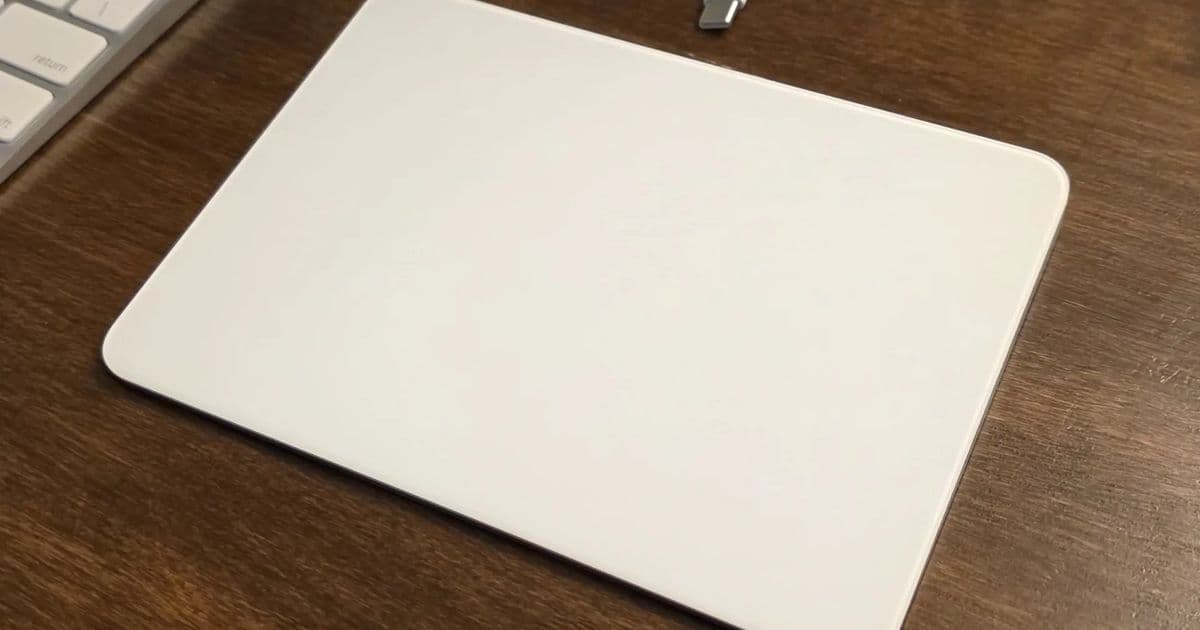
A one-line fix in Linux 7.0-rc3 resolves battery reporting issues for Apple Magic Trackpad 2 users connecting via USB.
Linux 7.0 is bringing welcome news for Apple Magic Trackpad 2 users who connect their device via USB to Linux systems. A long-standing battery reporting issue has finally been resolved with a simple one-line fix to the hid-magicmouse driver.
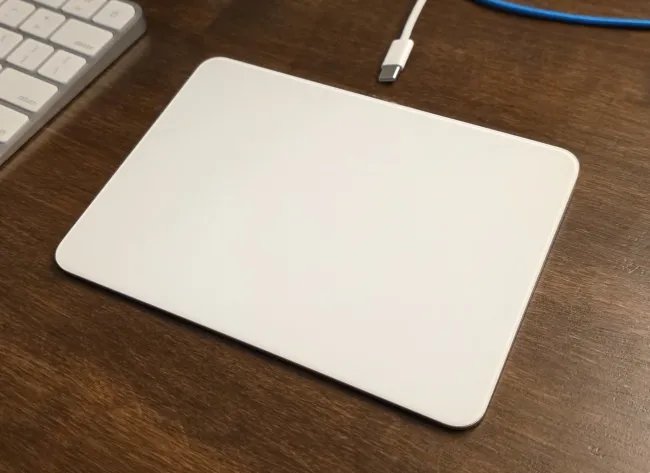
This fix addresses a problem that has persisted since the Magic Trackpad 2 was first supported in Linux 5.0 back in 2018. The issue stemmed from an incorrect HID descriptor check for the device's length, which prevented the necessary battery reporting functionality from being applied when the trackpad was connected via USB.
According to the latest HID fixes pull request for Linux 7.0-rc3, the solution involves correcting this descriptor check, allowing the system to properly report battery levels for the Apple Magic Trackpad 2. This change is particularly significant for users who prefer or need to connect their trackpad via USB rather than Bluetooth, such as in certain professional or development environments where USB connections offer more reliability.
The fix is part of a broader set of HID (Human Interface Device) improvements being merged ahead of the Linux 7.0-rc3 release. While the overall set of changes is relatively small, focusing on memory leak fixes, potential kernel crashes in some drivers, and null pointer dereference issues, the Magic Trackpad 2 battery reporting fix stands out as the most user-visible improvement.
For Linux users who have been frustrated by the inability to monitor their Magic Trackpad 2's battery status when using a USB connection, this fix will be a welcome change. It demonstrates the ongoing commitment of the Linux kernel community to improving hardware compatibility, even for devices from manufacturers not traditionally associated with Linux support.
The fix is expected to be back-ported to current Linux stable kernel versions in the coming days, meaning users won't necessarily need to wait for the full Linux 7.0 release to benefit from this improvement. This back-porting process ensures that the fix will reach a wide range of users across different Linux distributions and kernel versions.
This development is part of a broader trend of improving Apple hardware support in Linux. While Apple devices are primarily designed for macOS, the Linux community has made significant strides in ensuring compatibility with various Apple peripherals, from trackpads and keyboards to more complex devices.
For developers and system administrators who rely on Apple peripherals in Linux environments, this fix represents another step toward seamless cross-platform compatibility. It's a reminder that even small, targeted fixes can have a meaningful impact on the user experience, particularly for those who have specific hardware preferences or requirements.
The Linux kernel's approach to hardware support continues to evolve, with community members regularly identifying and resolving compatibility issues. This Magic Trackpad 2 fix exemplifies how open-source development can address problems that might otherwise remain unresolved in more closed ecosystems.
As Linux 7.0 moves toward its final release, users can look forward to not only this battery reporting fix but also the various other stability and performance improvements that typically accompany a new kernel version. For Apple Magic Trackpad 2 users on Linux, the ability to finally monitor battery levels via USB connection marks a significant improvement in the overall user experience.
Comments
Please log in or register to join the discussion