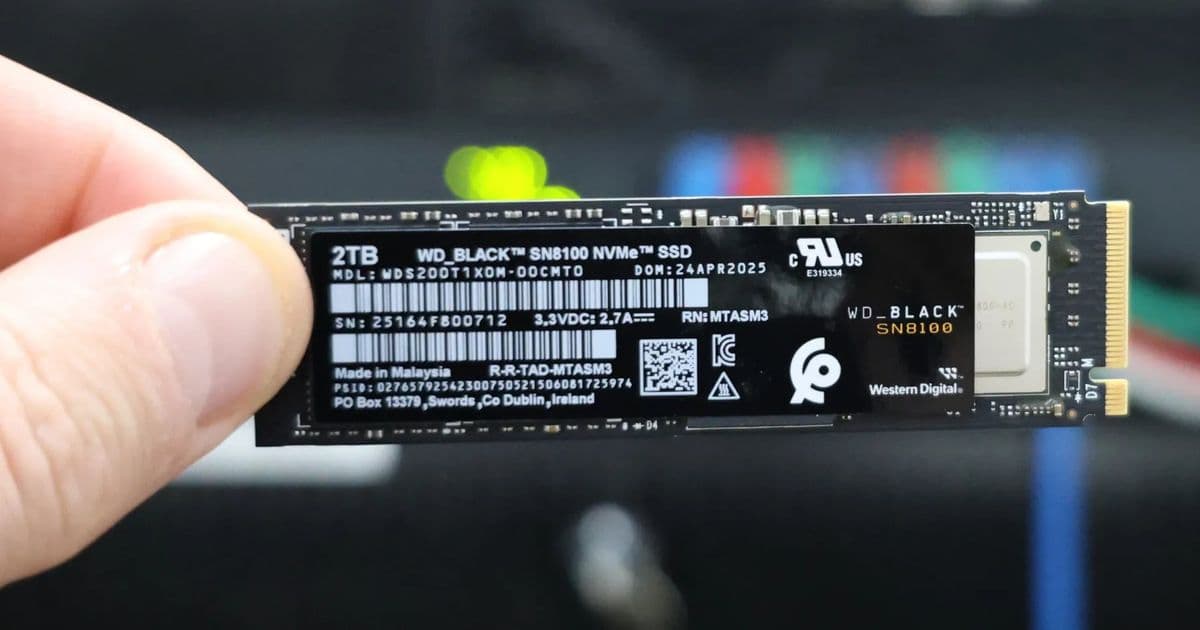
Linux 7.1 introduces shared memory zero-copy I/O support for ublk, fixes critical RAID issues, and expands IO_uring capabilities with custom event loops and enhanced IOPOLL functionality.
The Linux 7.1 kernel release cycle has reached a significant milestone with the merging of extensive storage subsystem improvements that promise to deliver tangible performance gains for both enterprise and enthusiast users. The latest development kernel introduces a suite of enhancements spanning block I/O operations, RAID reliability fixes, and IO_uring capabilities that collectively push Linux storage performance to new heights.
Zero-Copy I/O Revolution for User-Space Block Drivers
One of the most impactful changes in Linux 7.1 is the introduction of shared memory zero-copy I/O support for ublk, the user-space block driver interface. This enhancement represents a fundamental shift in how user-space block devices handle data transfers.
Traditionally, every I/O operation between kernel space and user space required copying data, creating overhead that becomes particularly noticeable in high-throughput scenarios. The new zero-copy implementation bypasses these per-I/O copies by leveraging shared memory regions, eliminating the redundant data movement that has long been a bottleneck in user-space block driver performance.
This improvement is particularly relevant for storage virtualization, container environments, and any scenario where user-space block drivers are employed. The performance implications are substantial - applications can expect reduced latency and increased throughput, especially in workloads characterized by frequent small I/O operations.
Enhanced Block Subsystem Capabilities
The block subsystem changes extend beyond zero-copy support, introducing several critical features:
File-System Initiated Integrity Operations: This enhancement allows file systems to trigger integrity verification operations directly, improving data reliability without requiring application-level intervention. The feature is particularly valuable for enterprise storage systems where data integrity is paramount.
SED-OPAL Management Improvements: Linux 7.1 adds support for SED-OPAL ioctls in single-user mode, along with the STACK_RESET command. These additions provide administrators with enhanced control over self-encrypting drives (SEDs) during maintenance and recovery operations, particularly useful in scenarios where drives need to be securely reset or reinitialized.
BSG Layer Integration: The addition of IO_uring pass-through support to the Block SCSI Generic (BSG) layer enables more efficient communication with SCSI devices that support vendor-specific commands. This is particularly relevant for enterprise storage arrays and specialized hardware that relies on SCSI command sets.
DRBD Driver Cleanup: The Distributed Replicated Block Device (DRBD) driver receives maintenance updates that improve stability and reduce complexity, benefiting high-availability storage configurations that rely on DRBD for data replication.
NVMe Enhancements for Modern Storage
Linux 7.1 brings several NVMe-specific improvements that address both performance and compatibility concerns:
Enhanced Block Queue Limits: The kernel now provides more sophisticated support for block queue limits, allowing for better optimization of I/O scheduling and resource allocation. This is particularly beneficial for systems with mixed workloads or heterogeneous storage configurations.
Write Zeroes Device Quirk: A new quirk for write zeroes operations addresses compatibility issues with certain NVMe devices that don't properly implement the write zeroes command. This ensures consistent behavior across different NVMe hardware implementations.
NVMe Fabrics Authentication Updates: The authentication handling for NVMe Fabrics receives updates that improve security and compatibility with remote storage systems, addressing potential vulnerabilities and ensuring proper authentication flows in networked storage scenarios.
Critical RAID Fixes for System Stability
The Linux MD (Multiple Devices) subsystem, commonly known as Soft RAID, receives several important stability fixes in Linux 7.1:
RAID5 Soft Lock-up Resolution: A critical fix addresses a soft lock-up issue in RAID5 configurations that could cause system unresponsiveness under certain conditions. This fix improves the reliability of RAID5 arrays, particularly in high-load scenarios.
RAID10 Deadlock Prevention: Another fix targets a potential deadlock condition in RAID10 configurations, ensuring that multi-disk RAID setups remain responsive even under heavy I/O loads.
RAID1 Write-Mostly Drive Handling: The kernel now properly handles overlapping writes on write-mostly drives in RAID1 configurations, improving both performance and data consistency in scenarios where drives have different performance characteristics.
These RAID fixes are particularly important for enterprise environments and home lab enthusiasts who rely on software RAID for data protection and performance optimization.
IO_uring Evolution: Custom Event Loops and Enhanced Capabilities
Perhaps the most exciting development in Linux 7.1 is the expansion of IO_uring capabilities, which continue to evolve as one of Linux's most powerful I/O interfaces:
Custom Event Loop Logic: IO_uring now supports implementing custom event loop logic, giving developers unprecedented control over I/O scheduling and processing. This feature enables the creation of highly optimized, application-specific I/O patterns that can dramatically improve performance for specialized workloads.
Expanded IOPOLL Capabilities: The IOPOLL feature, which allows for polling-based I/O operations, receives significant enhancements. These improvements reduce latency for applications that can benefit from busy-waiting on I/O completion, such as high-frequency trading systems or real-time data processing applications.
Timeout Improvements: IO_uring timeout handling becomes more sophisticated, with better precision and reduced overhead. This is particularly beneficial for applications that rely on precise timing for I/O operations.
Zero-Copy Receive (ZCRX) Updates: The zero-copy receive functionality continues to mature, with optimizations that further reduce memory copies in network-to-storage data paths. This is especially relevant for applications that handle large volumes of network data that needs to be persisted to storage.
Various Optimizations: The IO_uring subsystem receives numerous smaller optimizations that collectively improve performance, reduce CPU overhead, and enhance scalability across different workload types.
Performance Implications and Use Cases
The combined impact of these changes positions Linux 7.1 as a significant release for storage performance. System administrators and developers can expect:
Reduced I/O Latency: Zero-copy operations and IOPOLL enhancements directly target latency reduction, benefiting real-time applications and high-performance computing workloads.
Increased Throughput: By eliminating unnecessary data copies and optimizing I/O scheduling, the kernel can handle higher volumes of I/O operations per second.
Improved Reliability: RAID fixes and integrity operation support enhance data protection and system stability, critical for enterprise deployments.
Greater Flexibility: Custom event loop support and enhanced NVMe capabilities provide developers with more tools to optimize their specific use cases.
These improvements are particularly relevant for database servers, content delivery networks, virtualization platforms, and any system that handles substantial I/O workloads.
Looking Forward
Linux 7.1 represents a maturation of storage technologies that have been evolving over multiple kernel releases. The focus on zero-copy operations, enhanced RAID reliability, and expanded IO_uring capabilities demonstrates the kernel community's commitment to addressing both performance bottlenecks and stability concerns.
The introduction of shared memory zero-copy I/O for ublk is particularly noteworthy as it opens new possibilities for user-space block driver implementations. Combined with the enhanced IO_uring capabilities, developers now have powerful tools to create highly optimized storage solutions that can compete with or exceed traditional kernel-based approaches.
As Linux 7.1 moves through its development cycle toward final release, these storage enhancements will likely undergo further refinement based on community testing and feedback. The kernel's storage subsystem continues to evolve, maintaining Linux's position as a leading platform for high-performance storage solutions across a wide range of applications and use cases.
Comments
Please log in or register to join the discussion