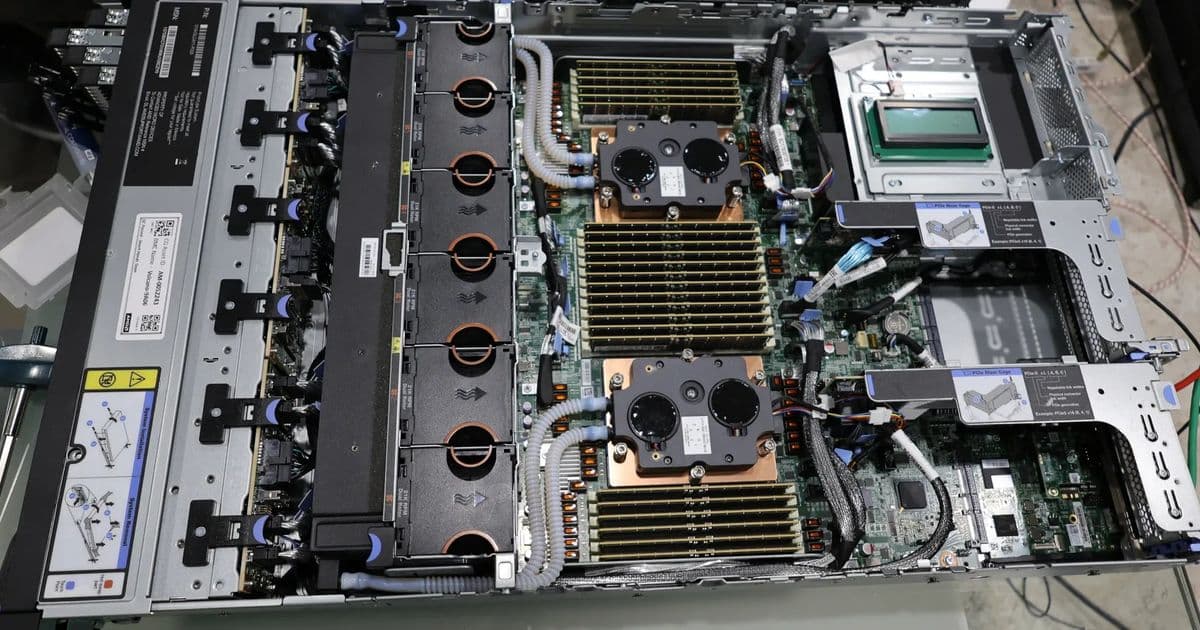
Linux 7.1 introduces support for new AMD SMCA bank types, hinting at hardware features in the upcoming EPYC Venice processors.
Linux kernel developers are laying the groundwork for AMD's next-generation server processors with the addition of several new Scalable Machine Check Architecture (SMCA) bank types in the upcoming Linux 7.1 release. The changes, merged this week as part of the Error Detection And Correction (EDAC) subsystem updates, introduce support for eight new hardware monitoring capabilities that appear specifically tailored for AMD's forthcoming Zen 6-based EPYC Venice platform.
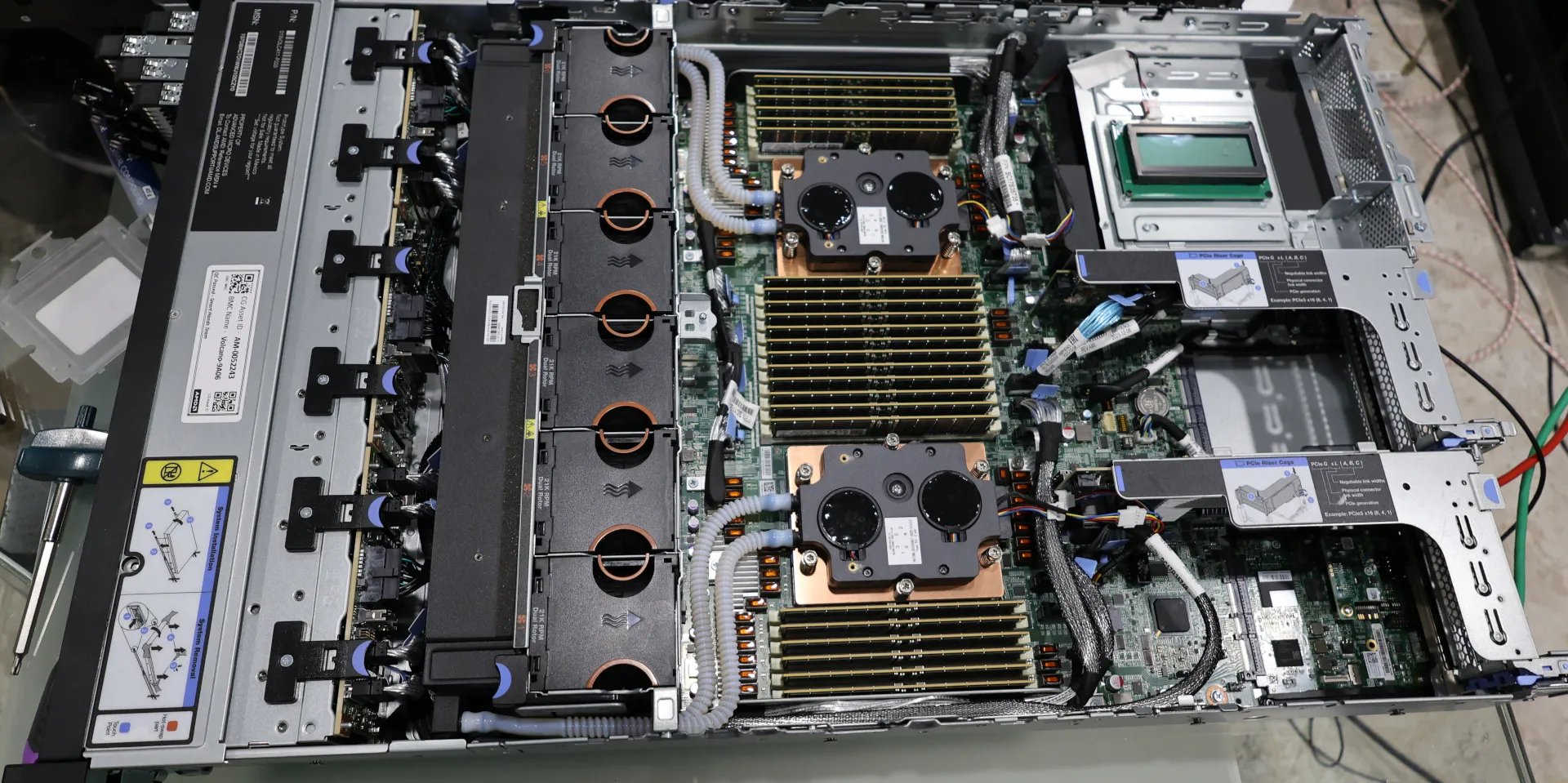
The AMD Machine Check Exception driver, known as mce_amd, serves as the primary interface for detecting and handling hardware errors on AMD platforms. The newly added SMCA bank types represent different hardware units within modern AMD CPUs, each designed to identify and report specific types of errors that could impact system reliability and performance.
Among the most intriguing additions is support for Data Acceleration Back-end (SMCA_DACC_BE) and Data Acceleration Front-end (SMCA_DACC_FE) monitoring. These new bank types suggest AMD is expanding its data acceleration capabilities in the Venice generation, potentially offering enhanced memory bandwidth optimization or improved data processing throughput for demanding workloads.
The inclusion of eDDR5 CMN (SMCA_EDDR5CMN) monitoring indicates enhanced support for the next iteration of DDR5 memory controllers. This bank type will likely provide more granular error detection and correction capabilities for the memory subsystem, crucial for maintaining data integrity in high-performance computing environments where memory errors can be catastrophic.
Security-focused hardware monitoring also sees significant expansion with the addition of several AMD Secure Processor-related bank types. The AMD Root of Trust Microprocessor (SMCA_MPART), AMD Secure Processor (SMCA_MPASP), and AMD Secure Processor V2 (SMCA_MPASP_V2) entries suggest Venice will feature enhanced security capabilities with more sophisticated error monitoring for the secure processing environment.
Additional bank types include support for the Microprocessor Manageability Core (SMCA_MPM), which likely provides enhanced system management and monitoring capabilities, and MP for RAS (SMCA_MPRAS), which appears twice in the commit with slightly different purposes - once as a general RAS monitoring capability and again specifically for PCIe physical layer monitoring (SMCA_PCIE_PL).
The Die to Die Interconnect (SMCA_SSBDCI) monitoring capability rounds out the new additions, providing error detection for the high-speed interconnects between chiplets in AMD's multi-die processor designs. As AMD continues to push the boundaries of chiplet-based architectures, robust error monitoring for these critical interconnects becomes increasingly important.
While the patches don't provide detailed explanations of how these new bank types will be utilized, their timing strongly suggests they're being added in anticipation of the EPYC Venice launch. Linux kernel developers typically add hardware support several months before new processor releases to ensure comprehensive testing and validation.
These additions continue Linux's tradition of being at the forefront of hardware support for enterprise computing platforms. The comprehensive error monitoring capabilities being built into Linux 7.1 will enable system administrators and developers to fully leverage the advanced reliability, availability, and serviceability features that AMD is expected to introduce with the Venice generation.
For data center operators and enterprise users, these kernel updates represent another step toward ensuring their infrastructure can take full advantage of the latest AMD processor capabilities while maintaining the highest levels of system reliability and performance monitoring.

Comments
Please log in or register to join the discussion