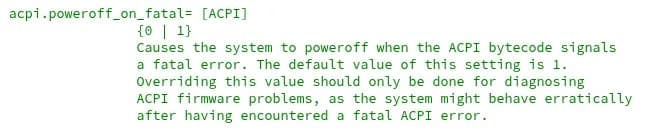
The upcoming Linux 7.1 kernel will change default behavior to power off systems when encountering fatal ACPI errors, aligning with ACPI specifications that require controlled shutdowns after fatal events.
The Linux kernel is preparing for a significant change in how it handles fatal ACPI errors with the upcoming Linux 7.1 release. Currently, when the kernel encounters a fatal ACPI error, it simply logs the error message "Fatal opcode executed" to the system log and continues operating. However, this behavior is about to change.

New Default Behavior
Starting with Linux 7.1, the kernel will attempt to power off the system automatically when encountering any fatal ACPI error. This change has been queued into the Linux power management subsystem's "linux-next" Git branch ahead of the Linux 7.1 release.
The motivation behind this change is to better align with the ACPI (Advanced Configuration and Power Interface) specifications. According to the ACPI specification, when a fatal error occurs, the operating system must "log the fatal event and perform a controlled OS shutdown in a timely fashion."
Why This Matters
This change addresses a long-standing deviation from the ACPI specification. Linux has been technically out-of-spec by simply logging the error and allowing the system to continue running. The new behavior ensures compliance with the intended ACPI design and potentially prevents further system instability that could result from continuing operation after a fatal firmware error.
Configuration Option
For users who prefer the existing behavior or have specific use cases where automatic power-off is undesirable, the patch introduces a new kernel parameter: acpi.poweroff_on_fatal=0. Setting this parameter will maintain the current behavior of logging the error without powering off the system.
Practical Implications
While ideally your system should rarely or never encounter fatal ACPI errors, they can occur due to buggy system firmware or hardware issues. The new default behavior provides a more robust response to these critical errors, potentially preventing data corruption or other issues that might arise from continuing operation in an unstable state.
This change reflects the Linux kernel's ongoing commitment to standards compliance and system reliability, even if it means altering long-standing default behaviors that some users have come to expect.
Comments
Please log in or register to join the discussion