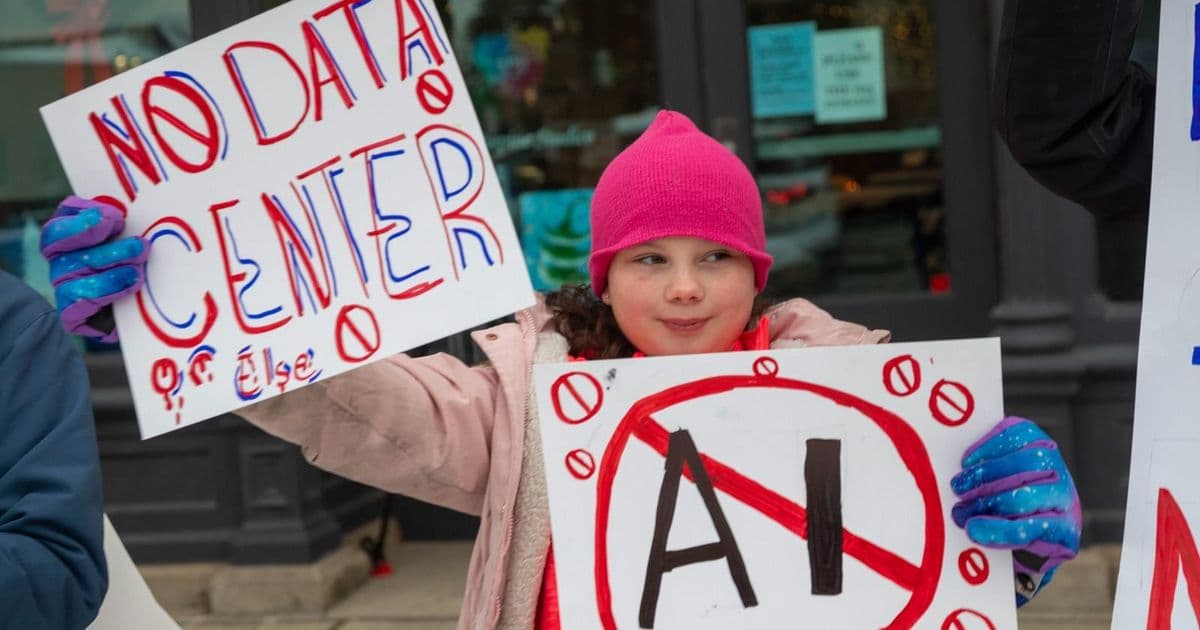
AI hyperscalers face mounting delays and billions in losses as local communities across America push back against data center construction, citing environmental concerns and political retribution.
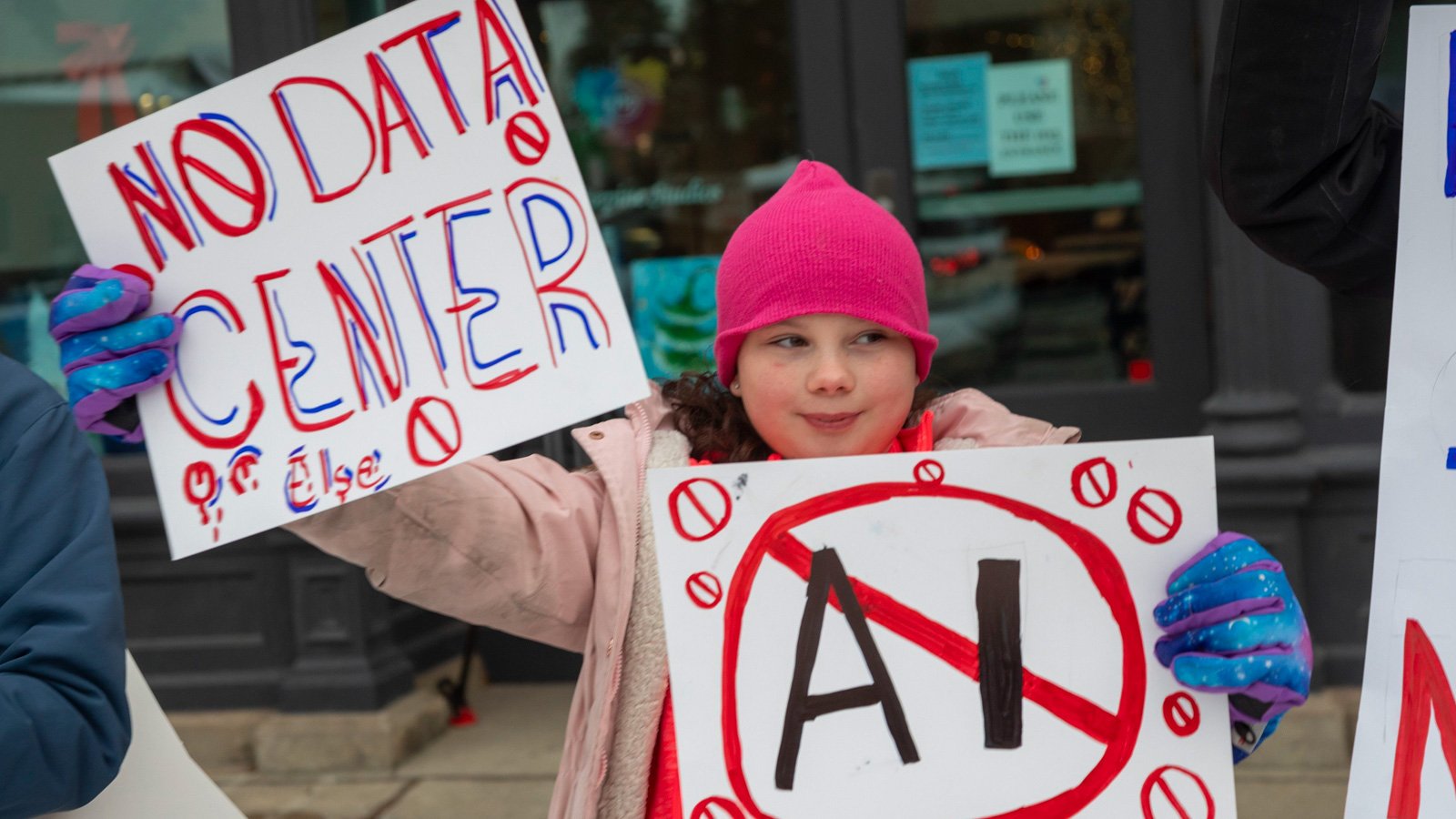
Local communities across America are mounting an unprecedented resistance to data center construction, threatening to derail billions in AI infrastructure investment and creating significant delays for hyperscalers already struggling with compute shortages.
Political Backlash and Election Consequences
The resistance has taken on a distinctly political character, with voters actively removing officials who support data center projects. In Missouri, residents ousted half the city council for failing to protect communities from AI data center construction, with plans to remove the remaining members including the mayor. One Calvert County resident delivered a pointed message to commissioners who voted against a construction moratorium: "You're not going [to] be here anymore. You're out. You're gone."
These political shifts are occurring ahead of June primaries, suggesting voter intention could rapidly reshape local governance on this issue.
Widespread Project Delays
As of early 2025, approximately half of all planned U.S. data center builds have been delayed, representing tens of billions in stalled investment. The resistance spans multiple states:
- Maine: Lawmakers passed legislation placing a moratorium on new data centers exceeding 20 megawatts until October 2027 for environmental impact studies
- Tulsa: City Council issued a temporary moratorium through year-end
- San Marcos: City council rejected rezoning for a 200-megawatt facility near a power station
- Virginia: Voter support for data centers plummeted from 69% in 2023 to just 35%, halting construction of what would have been one of the country's largest facilities
Environmental and Infrastructure Concerns
Communities cite multiple concerns driving their opposition:
Water Usage and Contamination: Data centers require massive water volumes for cooling, raising fears about local water table depletion and potential contamination from industrial processes.
Energy Infrastructure Strain: The power demands of AI-focused facilities are staggering. Nvidia's chips alone are projected to consume tens of gigawatts globally, forcing some companies to import "illegal" gas turbines to meet startup power requirements.
Air and Noise Pollution: Construction activities and ongoing operations generate significant noise levels and air quality concerns for nearby residents.
Economic Displacement: While companies promise temporary construction jobs and tax revenue, communities worry about long-term economic impacts, including skyrocketing energy prices that could affect residential consumers.
Corporate Response and Community Relations
Some companies are attempting to mitigate opposition through community engagement. Meta has announced small-scale grants for projects near its facilities, while developers argue that environmental fears are "unfounded" and that noise can be minimized.
However, these efforts often fall short. In Brown County, residents rejected offers of up to $120,000 per acre from a Delaware-based LLC linked to Cloverleaf Infrastructure, which subsequently withdrew its entire project. Similarly, New Brunswick converted a proposed 22-acre data center site into a mandated park following community pressure.
Security Concerns and Violent Incidents
The backlash has escalated beyond peaceful protest. OpenAI CEO Sam Altman's home was firebombed in a violent attack, while an Indianapolis council member received threatening notes and found bullet holes in his home after voting to approve a data center project.
Economic Context and Job Market Impact
Public opposition to AI infrastructure coincides with growing economic anxiety. The tech industry laid off nearly 80,000 workers in the first quarter of 2025, with almost half of expected position cuts attributed to AI automation. This has made data centers a convenient scapegoat for job losses, amplifying community resistance.
Industry Implications
The delays and cancellations represent a significant setback for AI hyperscalers already facing compute shortages. With OpenAI announcing $100 billion investments here and $300 billion there, the inability to construct necessary infrastructure could severely constrain AI development timelines and capabilities.
Politicians who initially welcomed these projects for their economic promise are now caught between corporate interests and increasingly vocal constituents. The situation suggests a fundamental shift in how data center development will proceed going forward, with community consultation and environmental considerations becoming central to project approval rather than afterthoughts.
As local communities continue organizing and coordinating their resistance, the $10 billion-plus in delayed projects may represent just the beginning of a broader reckoning for the AI infrastructure buildout across America.
Comments
Please log in or register to join the discussion