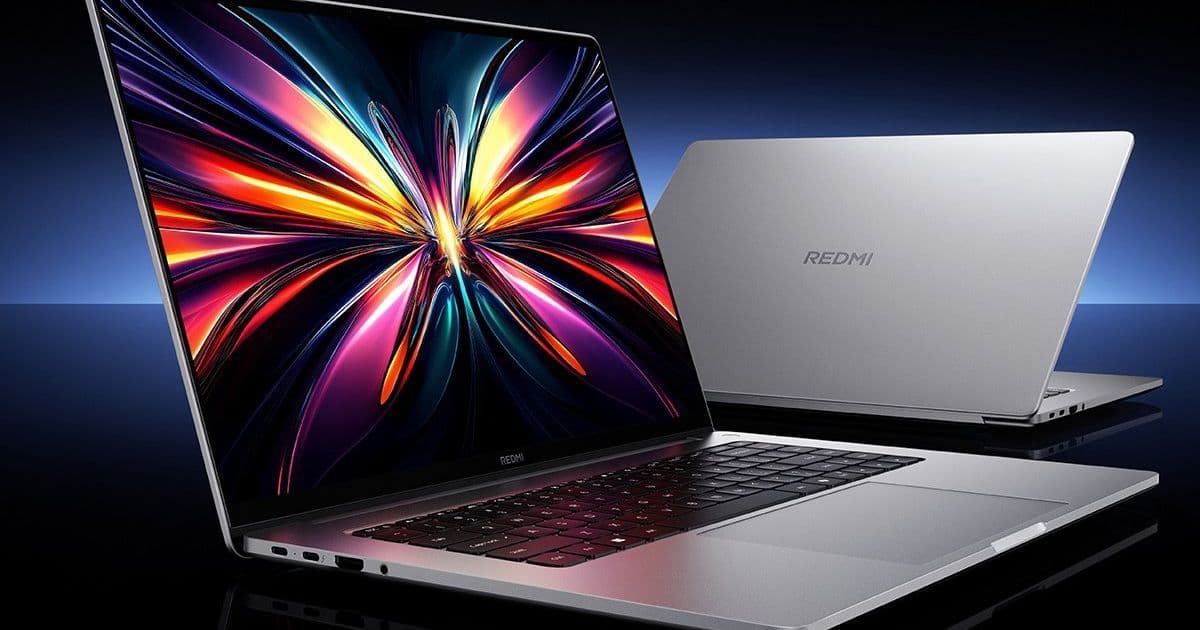
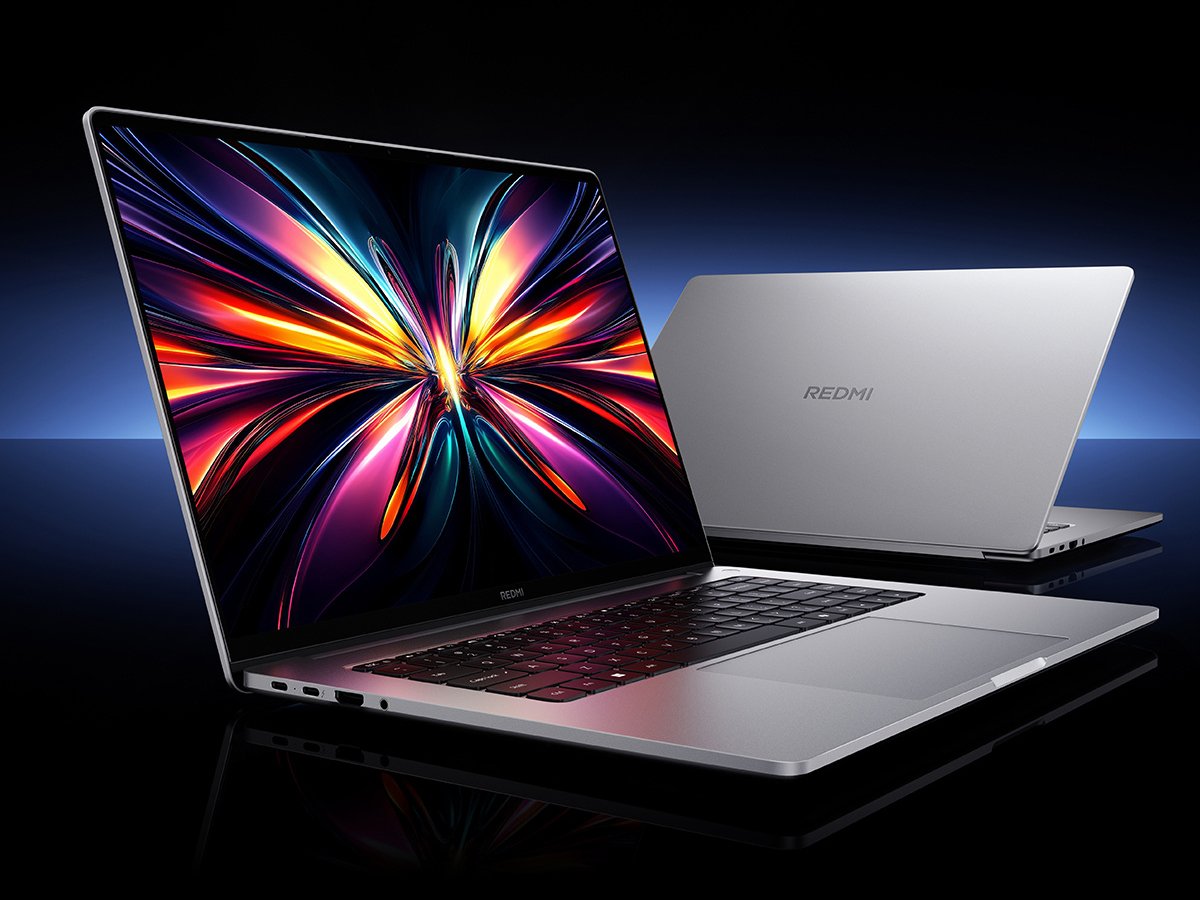
Xiaomi's new Redmi Book 14 2026 and Redmi Book 16 2026 laptops feature 120Hz displays with higher resolutions than Apple's MacBook Neo, powered by Intel Core Ultra 5 125H processors and starting at $806.
Xiaomi Redmi Book 2026 Lineup: 120Hz Displays Challenge MacBook Neo at Competitive Prices
Xiaomi has unveiled its latest budget-friendly laptop series with the Redmi Book 2026 lineup, introducing two models that directly challenge Apple's MacBook Neo with superior display specifications at more accessible price points.
Display Technology That Outperforms the Competition
Both the Redmi Book 14 2026 and Redmi Book 16 2026 feature 120Hz refresh rate panels, a significant upgrade over the MacBook Neo's standard 60Hz IPS display. This higher refresh rate translates to smoother scrolling, more responsive cursor movements, and an overall more fluid user experience, particularly beneficial for content creators and casual gamers.
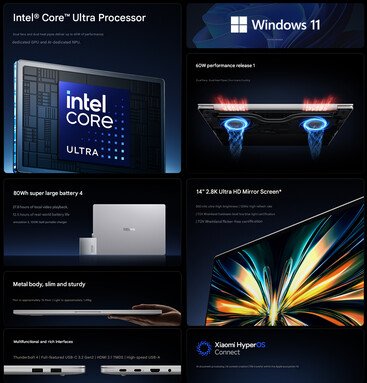
The Redmi Book 14 2026 houses a 14-inch display with an impressive 1800p resolution (approximately 2560x1600), 16:10 aspect ratio, and 500-nit brightness rating. The panel covers 100% of the sRGB color gamut and features full DC dimming technology, ensuring accurate color reproduction and reduced eye strain during extended use.
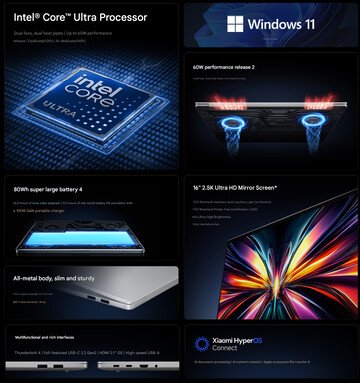
Meanwhile, the Redmi Book 16 2026 sports a larger 16-inch display with 1600p resolution (2560x1600), maintaining the same 16:10 aspect ratio but with a slightly lower 400-nit brightness rating. While this makes it marginally less pixel-dense than its smaller sibling and potentially less ideal for bright environments, it still represents a substantial improvement over the MacBook Neo's display specifications.
Performance Specifications: Mid-Range Power
Both models are powered by the Intel Core Ultra 5 125H processor, which, while competent, represents a mid-range option from Intel's Meteor Lake lineup. This choice is somewhat disappointing given the availability of newer Panther Lake and Lunar Lake processors, which could have provided better performance and efficiency.
The processor is paired with up to 16GB of LPDDR5X RAM running at 7,467MT/s, offering snappy performance for everyday tasks and moderate multitasking. Storage options include up to 1TB of PCIe 4.0 storage, ensuring fast boot times and quick application loading.
Battery Life and Portability Trade-offs
In an unusual design decision, Xiaomi has equipped both the 14-inch and 16-inch models with the same 80Wh battery capacity. While this ensures consistent battery life across the lineup, it's worth noting that the larger 16-inch model may experience slightly reduced battery endurance due to its bigger display consuming more power.
Both laptops come with a 100W GaN charger, supporting fast charging capabilities. The Redmi Book 14 2026 measures 312mm in width and weighs 3.28 pounds, making it relatively portable for a 14-inch laptop. The Redmi Book 16 2026 is wider at 354.98mm and heavier at 4.1 pounds, which is still reasonable for a 16-inch device.
Pricing Strategy and Market Positioning
Xiaomi has positioned these laptops competitively in the market. The Redmi Book 14 2026 starts at CNY 5,499 (approximately $806), while the Redmi Book 16 2026 begins at CNY 5,699 (around $835). These prices are notably lower than the recently launched Xiaomi Book Pro 2026 line, which features more powerful Core Ultra 5 325 processors and is currently priced at $1,513.46 on TradingShenzhen.
While these prices don't quite match the affordability of the MacBook Neo, they offer significantly better display specifications and comparable performance, making them attractive options for budget-conscious consumers who prioritize screen quality.
Target Audience and Use Cases
The Redmi Book 2026 lineup appears designed for students, content creators, and general consumers who want premium display features without the premium price tag. The 120Hz refresh rate and high-resolution panels make these laptops particularly suitable for:
- Students who need smooth scrolling for reading and document editing
- Content creators working with photo and video editing
- General users who spend long hours on their laptops and benefit from reduced eye strain
- Budget-conscious buyers who want features typically found in more expensive laptops
Competitive Landscape
When compared to the MacBook Neo, the Redmi Book 2026 series offers clear advantages in display technology while maintaining competitive pricing. The higher refresh rate and better color accuracy make these laptops more appealing for users who prioritize visual quality.
Against other budget-friendly options in the market, Xiaomi's offering stands out with its combination of high refresh rate displays, modern processors, and generous battery capacity. The decision to use the same battery in both models, while unusual, ensures that users can choose between screen sizes without sacrificing battery life.
Conclusion
The Xiaomi Redmi Book 2026 lineup represents a smart evolution in budget laptop design, focusing on display quality as a key differentiator. While the choice of processor may disappoint some performance enthusiasts, the combination of 120Hz panels, high resolutions, and competitive pricing makes these laptops compelling options in their price segment.
For users upgrading from older laptops or considering alternatives to the MacBook Neo, the Redmi Book 14 2026 and Redmi Book 16 2026 offer a balanced mix of performance, display quality, and value that's difficult to ignore in today's competitive laptop market.
Comments
Please log in or register to join the discussion