Memory card and flash drive prices have skyrocketed by 124% on average, with some products seeing increases up to 261%, as AI chip demand squeezes NAND supply across multiple formats and capacities.
Memory card and flash drive prices have experienced unprecedented increases, with the median price jump reaching 124% across various formats and capacities, according to a comprehensive analysis of Amazon price histories. The surge, driven by AI chip demand affecting NAND flash supply, has created significant market disruption for these storage devices.
Price Increases Across All Formats
The data reveals substantial price increases across multiple product categories. USB flash drives have seen particularly dramatic increases, with the SanDisk Ultra Fit USB 3.2 Gen 1 showing a 126% price increase from $19.00 to $42.99 for the 256GB variant. The 512GB version experienced a 123% increase, jumping from $35.88 to $79.99.
Memory cards have been equally affected. The SanDisk Extreme Pro SDXC UHS-I card saw a 163% increase for the 64GB variant, rising from $13.30 to $34.99. The 256GB version experienced the same 163% increase, moving from $31.56 to $83.00.
MicroSD cards have shown mixed but still significant increases. The SanDisk Extreme microSDXC UHS-I demonstrated a 138% increase for the 128GB variant, jumping from $15.99 to $37.99. However, the 256GB version only increased by 24%, from $24.85 to $30.90.
Premium Products Dominate the Market
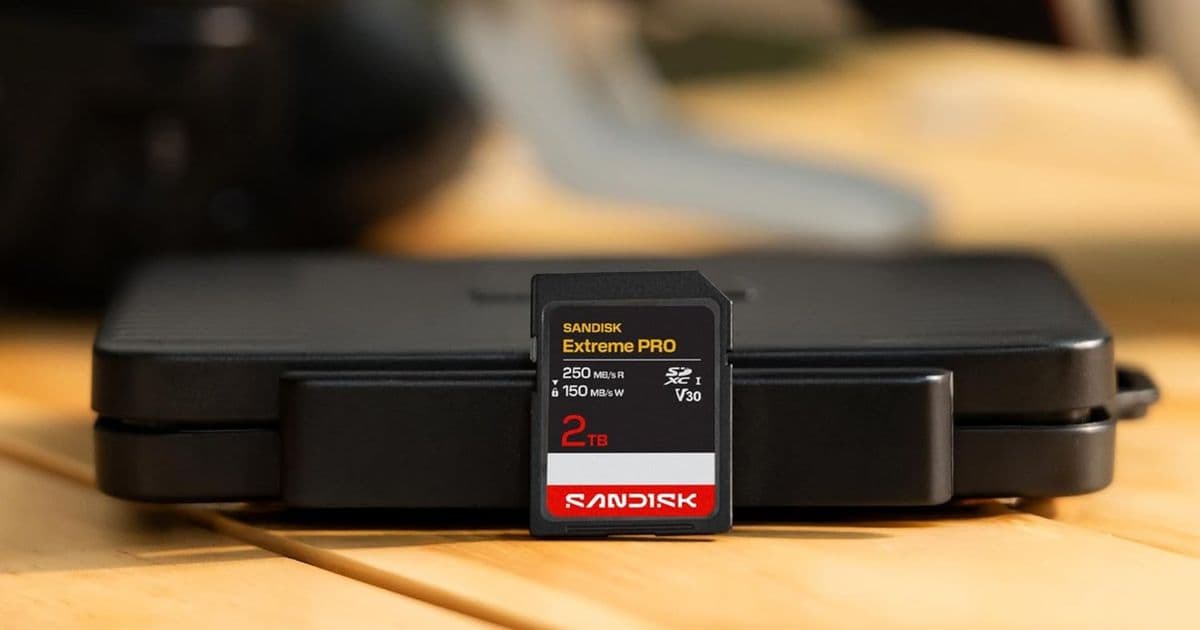
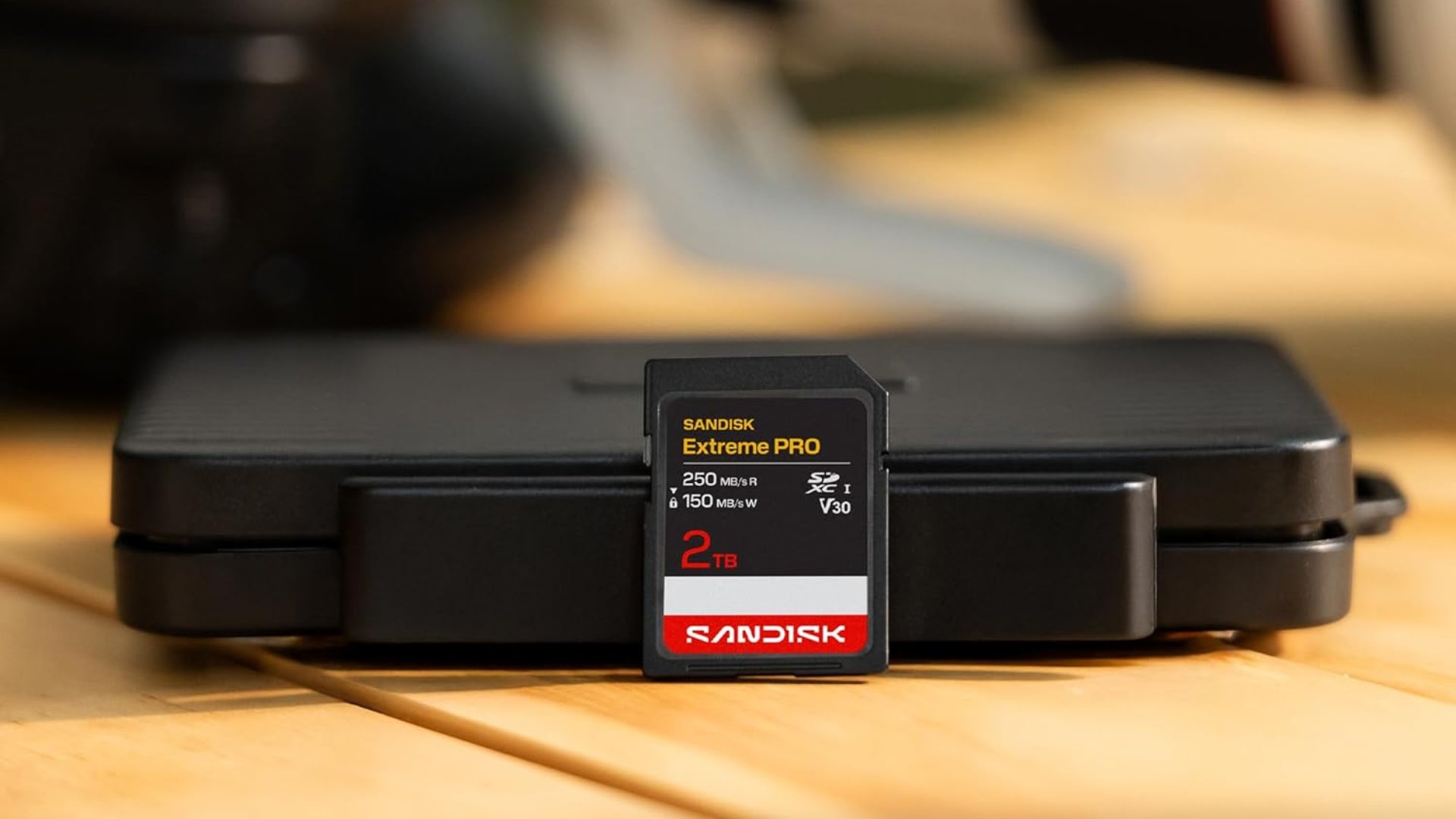
Manufacturers are responding to supply constraints by focusing on high-end products. SanDisk recently released a 2TB variant of its Extreme Pro UHS-II SD card priced at $2,000, translating to $0.98 per GB. This premium positioning contrasts sharply with the lower-tier 2TB SanDisk Extreme Pro UHS-I SDXC card, which costs $440 or approximately $0.21 per GB.
Lexar and Kingston are following similar strategies, introducing premium memory cards in comparable price ranges to maintain profitability amid supply shortages.
Supply Chain Dynamics
The price increases stem from fundamental supply chain shifts. While SSDs dominate discussions about chip shortages, memory cards and USB drives rely on the same NAND flash memory chips. The key difference lies in binning and quality tiers - SSDs use higher-bin NAND chips that command premium prices from AI data center customers willing to pay for guaranteed performance and supply.
This optimization by memory chip fabs for higher-bin NAND chips for SSDs has created a cascading effect. With production lines focused on premium NAND for SSDs, the supply of lower-bin NAND chips for USB flash drives and memory cards has diminished, driving up costs for manufacturers like SanDisk and Lexar.
Market Adaptation Strategies
Lexar's Senior Marketing Director Lincoln Lin explained the company's strategic response during a media trip: "Facing the shortage of supply, our strategy is to focus on high-end products instead of expanding our factories or manufacturing. We think this is what we should do in the current supply shortage situation. Because of the supply limitations, we have to release more high-value products and keep some differentiation for our consumers."
Lexar EU General Manager Grace Su noted interesting consumer behavior patterns in response to price increases. "This is a curiosity for me as buyers have in their mind, 'I would like a 1TB [drive]. 1TB is the minimum capacity I want to have. Now that I can only afford 512GB, I can wait,'" Su observed. While this comment specifically referenced SSD buyers, it applies equally to memory card purchasers with specific capacity requirements.
Capacity-Specific Impact
The analysis reveals varying price increases across different capacity tiers:
- 64-128GB range: 87% median increase
- 128-256GB range: 137% median increase
- 256-512GB range: 142% median increase
- 512GB-1TB range: 123% median increase
- 1TB+ range: 120% median increase
The most dramatic individual increase was the Lexar Blue microSDXC UHS-I 256GB card, which saw a 261% price jump from $17.99 to $64.99.
Future Outlook
Memory card manufacturers have limited options in the current market environment. Without the ability to quickly expand manufacturing capacity, companies must adapt through product differentiation and premium positioning. The trend toward higher-priced, high-performance products appears likely to continue as long as AI chip demand maintains pressure on NAND flash supply chains.
The situation highlights the interconnected nature of the semiconductor industry, where demand for AI infrastructure components can ripple through seemingly unrelated product categories, affecting everything from professional photography equipment to consumer flash drives.

Comments
Please log in or register to join the discussion