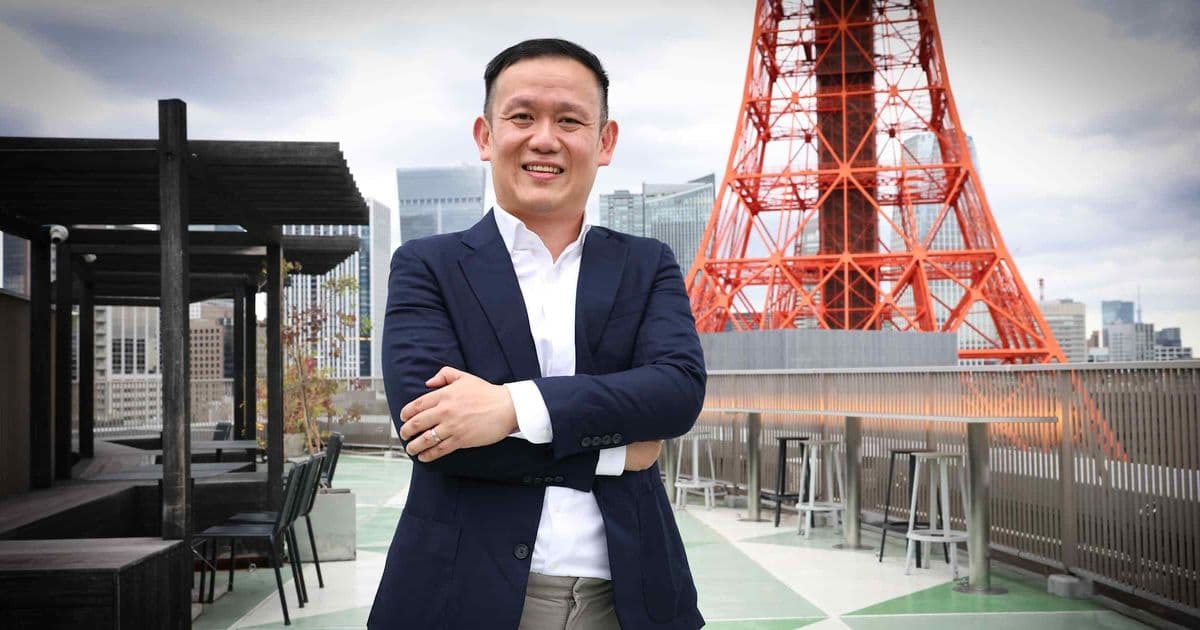
MetroResidences Japan plans to grow from 500 to 5,000 properties over five years, courting institutional funds and real estate partners as foreign worker arrivals reshape the country's temporary housing market.
MetroResidences Japan is planning a tenfold expansion, growing its portfolio from 500 to 5,000 serviced apartments over the next five years. The serviced apartment provider is positioning itself to capture demand from the rising number of foreigners working in Japan, and it intends to do so by partnering with investment funds and players across the broader real estate market rather than buying buildings outright.
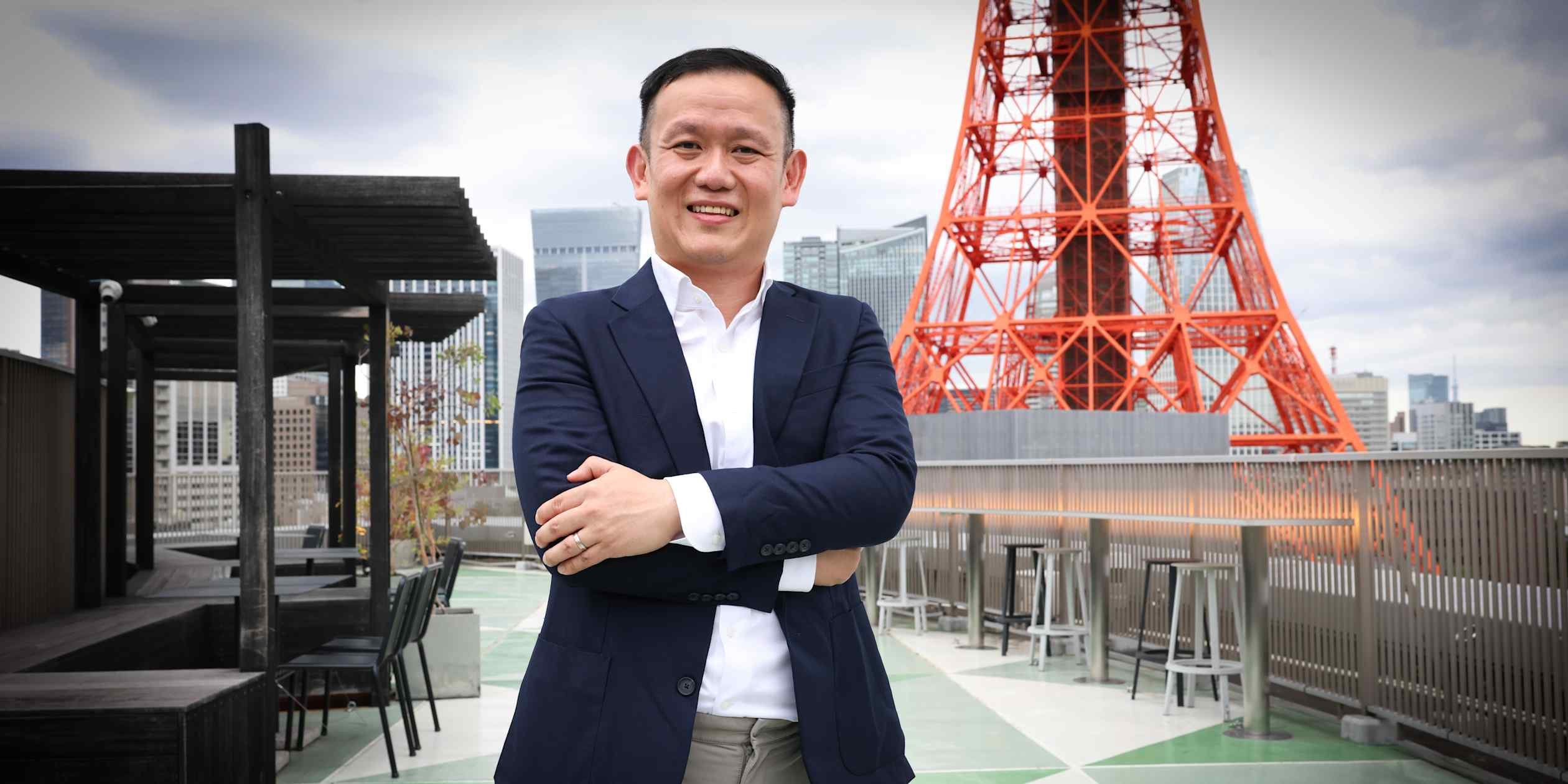
The immediate move is concentrated in Tokyo. According to Lester Kang, the company's chief operating officer, MetroResidences plans to open 80 serviced apartments this year in Roppongi, the central district that has long served as a base for international business travelers and corporate relocations. Roppongi is an expensive address, which signals where the company sees the highest-margin demand: relatively well-paid expatriate professionals on medium-term assignments who need furnished housing but fall outside both the hotel market and conventional rental leases.
Why the timing works
Japan's foreign worker population has been climbing as the country loosens immigration policy to offset a shrinking and aging labor force. That demographic pressure has turned into a structural tailwind for housing built around short and medium stays. The serviced apartment model sits in a useful gap. Traditional Japanese rentals often demand guarantors, key money, and Japanese-language paperwork that newly arrived workers struggle to navigate, while hotels become prohibitively expensive for stays measured in months. A furnished unit billed on a flexible term solves both problems.
The regulatory backdrop is also shifting in MetroResidences' favor. Cities including Osaka have been tightening rules on short-term vacation rentals as resident complaints mount, and Osaka has moved to halt new short-term rental applications. Some Tokyo operators have responded by registering apartments as hotels to sidestep vacation-rental restrictions. Serviced apartments aimed at working residents, rather than tourists, occupy a cleaner legal category, which lowers the regulatory risk that has battered the Airbnb-style segment and squeezed many Chinese lodging owners operating in Osaka.
The asset-light strategy
The most telling detail in the expansion plan is how MetroResidences intends to fund it. Reaching 5,000 units through direct ownership would require enormous capital in one of the world's most expensive property markets. By working with funds and real estate partners instead, the company is opting for an asset-light approach, managing and operating inventory it does not own and earning fees and margins on occupancy rather than tying up balance sheet in real estate.
That structure matters for two reasons. It lets the company scale far faster than a capital-heavy model would allow, and it makes the business attractive to institutional investors who want exposure to Japan's rental demand without running the operational complexity themselves. Property funds get a managed yield play tied to a growing tenant base; MetroResidences gets units to fill. The arrangement also tracks a broader pattern of capital flowing into Japanese furnished housing. Mitsubishi Estate's acquisition of a Singapore-based furnished housing provider shows established developers treating the segment as a strategic category rather than a niche.
What it means
For MetroResidences, the math is straightforward but demanding. A 10x unit expansion in five years implies aggressive year-over-year growth and a pipeline of partner buildings large enough to keep pace, all while maintaining occupancy and service quality across a dispersed portfolio. Execution risk is real. Operating costs, staffing, and the quality control that justifies premium serviced-apartment pricing all get harder at scale.
The wider read is that Japan's immigration pivot is creating durable demand for a housing layer the country has historically underbuilt. Companies that can package furnished, flexible, foreigner-friendly accommodation are stepping into that gap before traditional landlords adapt. If MetroResidences hits its target, it will have built one of the larger managed serviced-apartment platforms in the market, and it will have done so largely with other people's capital. The competitive question is who else, from global hospitality brands to domestic developers like Mitsubishi Estate, moves to claim the same tenants before the runway gets crowded.
More information on the company's operations is available through MetroResidences.
Comments
Please log in or register to join the discussion