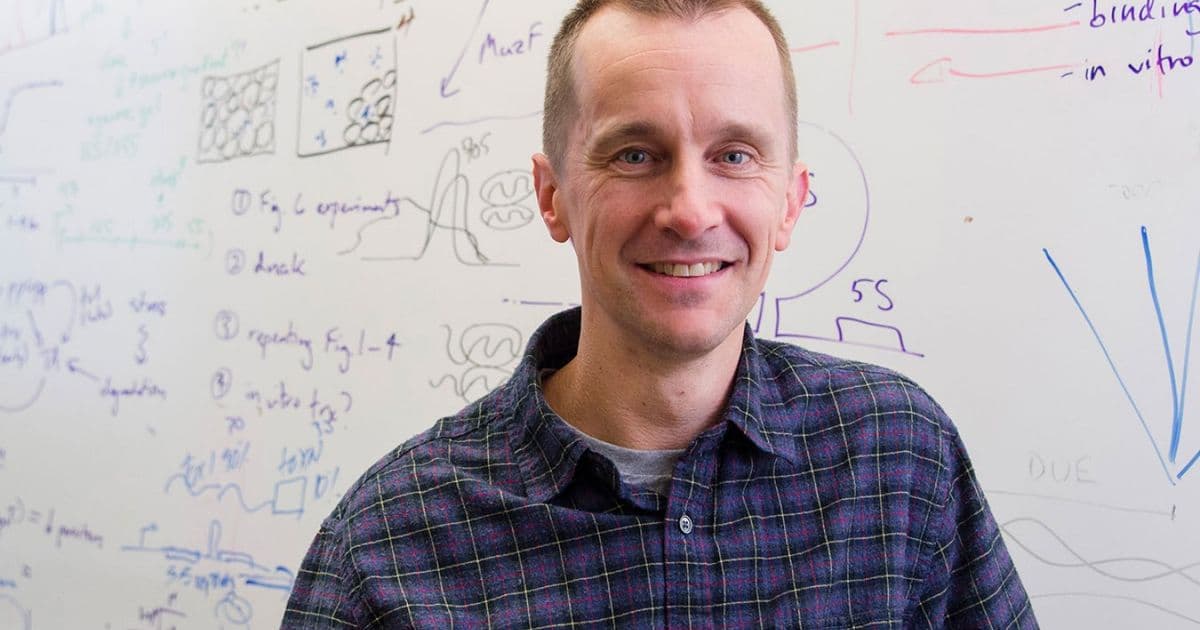
MIT Professor Michael Laub and 21 alumni have been elected as fellows of the American Association for the Advancement of Science, recognizing their distinguished contributions to science and technology.
The American Association for the Advancement of Science (AAAS) has named MIT Professor Michael T. Laub and 21 MIT alumni as fellows in its 2025 class, recognizing their exceptional contributions to advancing science and technology across diverse fields.
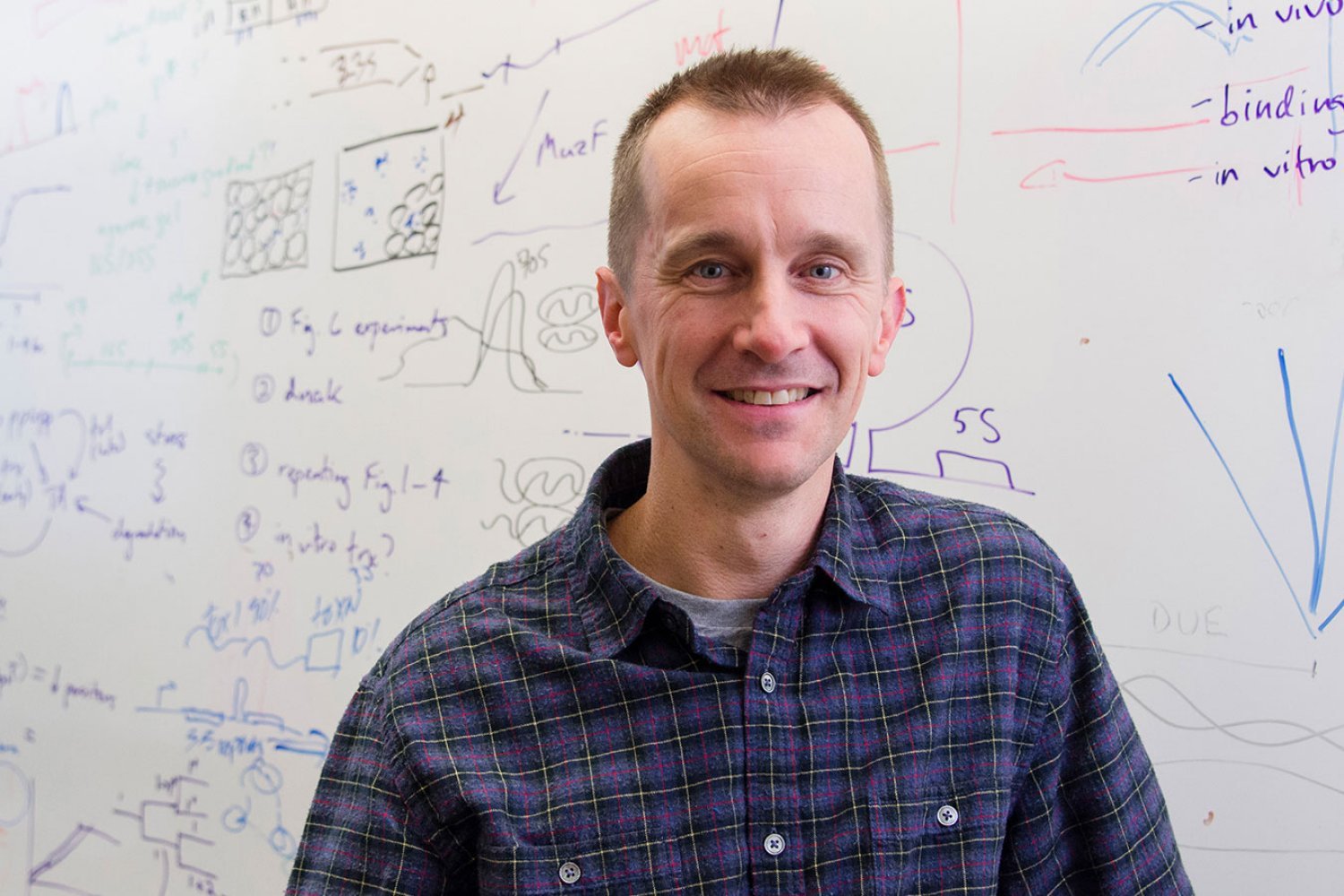
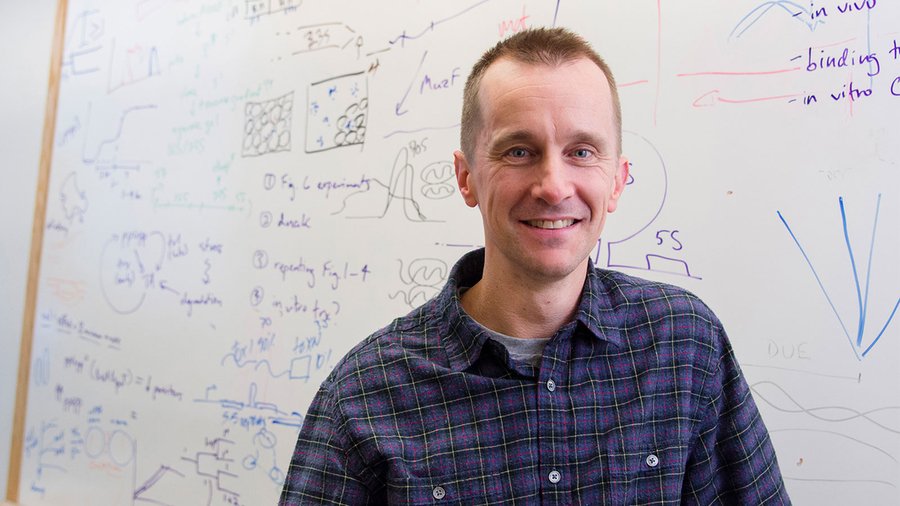
Laub, the Salvador E. Luria Professor in the MIT Department of Biology and an HHMI Investigator, was honored for his groundbreaking work in bacterial information processing. His research focuses on understanding how cells process information to regulate their own growth and proliferation, using bacteria as model organisms to develop fundamental insights into bacterial function and evolution.
"This year's AAAS Fellows have demonstrated research excellence, made notable contributions to advance science, and delivered important services to their communities," said Sudip S. Parikh, AAAS chief executive officer and executive publisher of the Science family of journals. "These fellows and their accomplishments validate the importance of investing in science and technology for the benefit of all."
Laub's work specifically addresses the coevolution of host-pathogen response and immunity, contributing to our understanding of how bacteria process information and adapt to their environments. His research has implications for developing new approaches to combat bacterial infections and understanding fundamental biological processes.
The 2025 class of AAAS Fellows includes 449 scientists, engineers, and innovators spanning all 24 of AAAS disciplinary sections. The MIT alumni recognized alongside Laub represent a remarkable breadth of scientific achievement:
Debra Auguste '99 - Contributions to biomedical engineering and cancer research
Julie Claycomb PhD '04 - Advances in RNA interference and gene regulation
Chris Clifton '85, SM '86 - Innovations in computer science and database systems
Kevin Crowston PhD '91 - Research in information systems and social computing
Maitreya Dunham '99 - Work in genomics and evolutionary biology
David Fike PhD '07 - Contributions to Earth sciences and geochemistry
Jianping Fu PhD '07 - Advances in stem cell engineering and mechanobiology
Peter A. Gilman SM '64, PhD '66 - Research in solar physics and magnetohydrodynamics
Diane M. Harper '80, SM '82 - Work in public health and cervical cancer prevention
Cherie R. Kagan PhD '96 - Innovations in materials science and nanotechnology
Elizabeth A. Kensinger PhD '03 - Research in cognitive neuroscience and memory
Kenro Kusumi PhD '97 - Contributions to genomics and evolutionary biology
Charla Lambert '96 - Work in environmental science and conservation
Bennett A. Landman '01, MNG '02 - Advances in biomedical imaging and informatics
Michael E. Matheny SM '06 - Research in biomedical informatics and clinical decision support
Paul David Ronney ScD '83 - Contributions to combustion and propulsion systems
Steven Semken '80, PhD '89 - Work in geoscience education and place-based learning
Sudipta Sengupta SM '99, PhD '06 - Advances in computer systems and storage technologies
Lawrence R. Sita PhD '86 - Research in organic chemistry and catalysis
Jan M. Skotheim '99 - Work in cell biology and systems biology
Beverly Park Woolf '66 - Innovations in artificial intelligence and educational technology
This recognition continues MIT's strong tradition of scientific excellence. In recent years, MIT affiliates have consistently been well-represented among AAAS Fellows, reflecting the Institute's commitment to advancing knowledge across all scientific disciplines.
The AAAS Fellows program, established in 1874, recognizes members whose efforts on behalf of the advancement of science or its applications are scientifically or socially distinguished. Fellows are elected annually by the AAAS Council, the organization's policymaking body.
Laub's election as an AAAS Fellow adds to his numerous accolades, including his position as an HHMI Investigator, which supports exceptional scientists conducting fundamental biomedical research. His work exemplifies the kind of basic research that often leads to unexpected applications and advances in human health and technology.
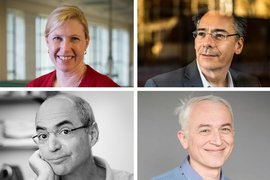
The diversity of fields represented by the MIT alumni fellows demonstrates the broad impact of MIT's educational mission. From biomedical engineering to computer science, from Earth sciences to materials research, these alumni are making significant contributions to their respective fields and to society at large.
As the scientific community faces increasingly complex global challenges, from climate change to emerging infectious diseases, the work of these AAAS Fellows becomes ever more critical. Their research not only advances fundamental understanding but also provides the foundation for technological innovations that can address pressing societal needs.
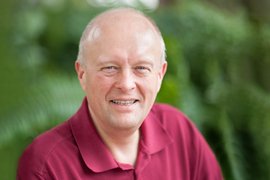
The recognition of these 22 individuals from MIT underscores the Institute's role as a global leader in scientific research and education. It also highlights the lasting impact of MIT's alumni network, with graduates making significant contributions across academia, industry, and government worldwide.
The 2025 AAAS Fellows will be formally announced in the AAAS News & Notes section of Science magazine in January 2025, with a ceremony to honor the new fellows scheduled for the following year. This recognition not only celebrates individual achievement but also serves to inspire the next generation of scientists and engineers who will continue to push the boundaries of human knowledge and capability.
Comments
Please log in or register to join the discussion