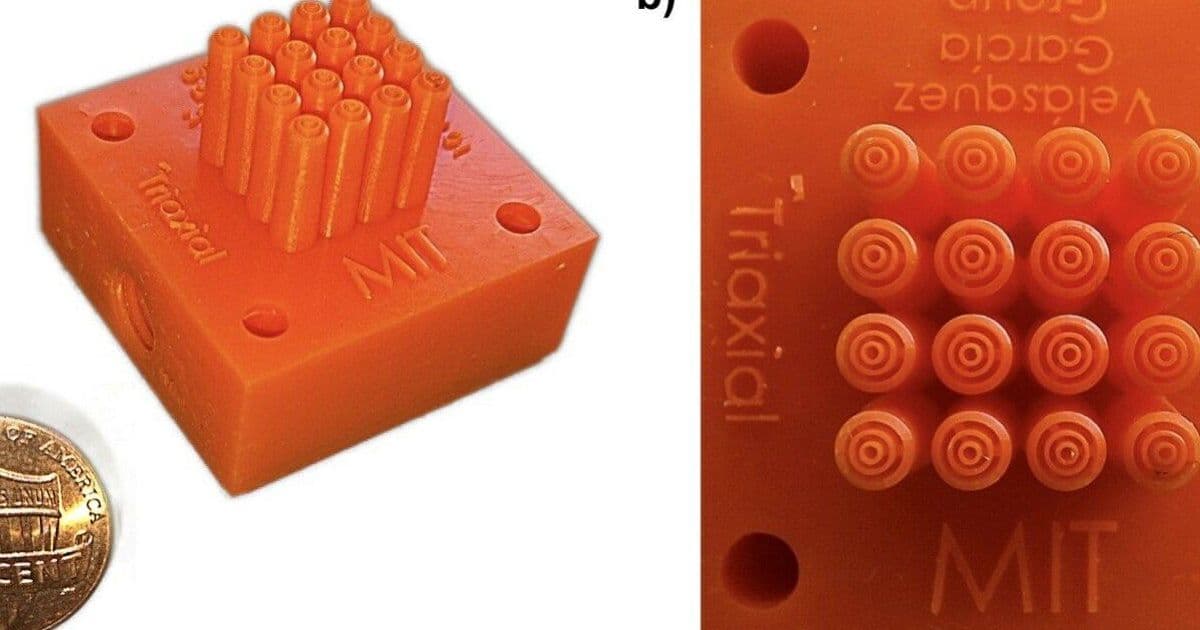
MIT researchers have shown that complex electrospray nozzle arrays can be 3D printed instead of fabricated in costly cleanrooms, a shift that could make advanced drug-delivery particles easier to prototype and scale.
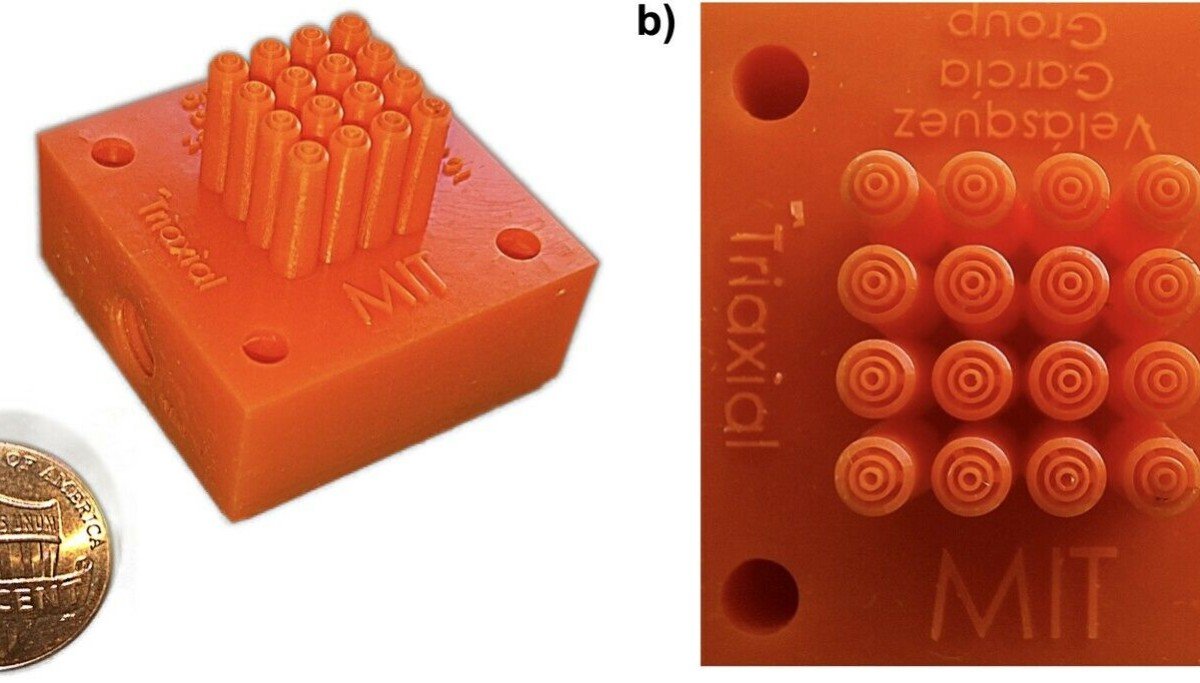
MIT researchers have developed a way to 3D print tiny triaxial electrospray nozzle arrays, a manufacturing advance that could make it cheaper and faster to produce three-layer microdroplets for drug delivery, tissue regeneration, self-healing materials, and artificial-cell research.
This is not a privacy breach or regulatory enforcement action, so there are no GDPR or CCPA fines attached to the research itself. The compliance story sits elsewhere: if this technique moves into medical manufacturing, companies will face health, safety, quality, and eventually patient-data obligations. That distinction matters. A promising lab process does not automatically become a rights-respecting medical product. It has to pass through evidence, oversight, manufacturing controls, and clear accountability.
What Happened
A team led by MIT principal research scientist Luis Fernando Velasquez-Garcia used a high-resolution resin 3D printer to produce triaxial electrospray emitters. Traditional electrospray emitters often require semiconductor-style cleanrooms because the nozzles are extremely small and must be made with high precision. Cleanroom fabrication can be slow, expensive, and difficult to scale.
Electrospraying works by pushing liquid through tiny nozzles while applying an electric field. The field helps break the liquid into droplets smaller than ordinary mechanical spraying can produce. The method is useful in fields ranging from mass spectrometry to propulsion, but in this case the focus is layered particles. A triaxial emitter can handle three liquids that do not mix, forming droplets with an outer layer, a middle layer, and a core.
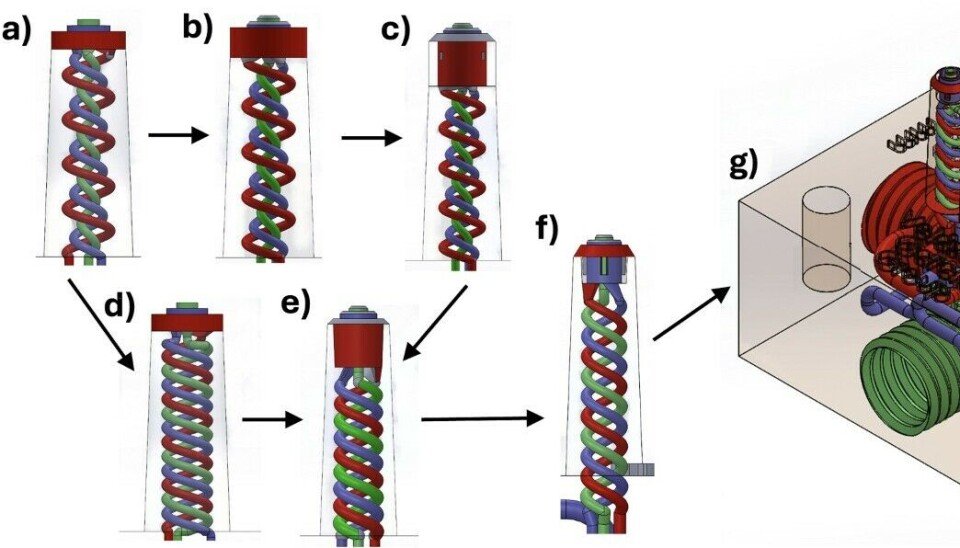
That layered structure is the point. In a drug-delivery scenario, the outer layer might protect the particle until it reaches the right part of the body. The middle layer might carry a regenerative medicine. The core might contain an antibiotic. By changing the three materials, researchers can tune how the droplet behaves, when it dissolves, and what it releases.
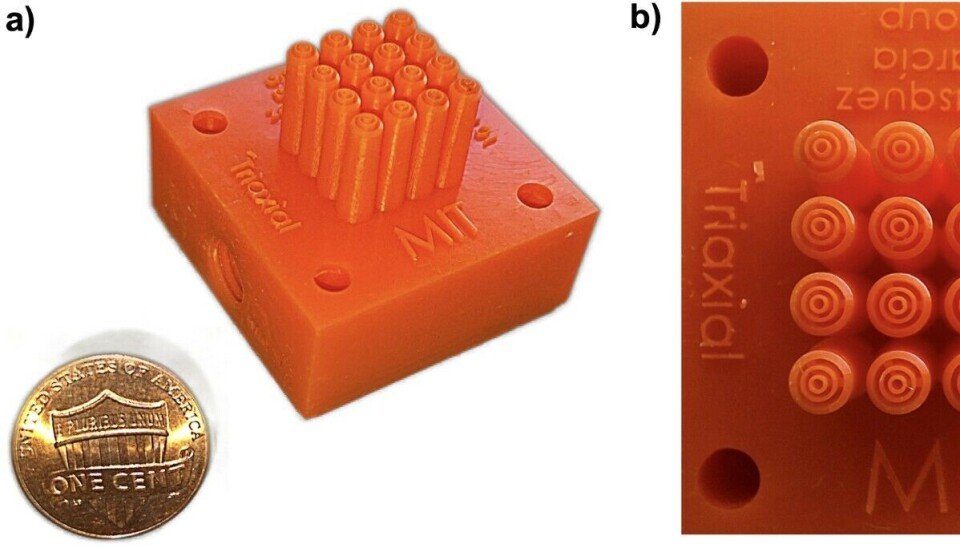
The MIT prototype reportedly placed 16 emitters in one square centimeter. Because the design is modular, the same architecture could be tiled into larger arrays. The limiting factor is not the concept of electrospray itself, but the current resolution of 3D printers and the difficulty of keeping the internal channels precise enough for uniform operation.
Legal Basis And Compliance Context
There is no reported privacy violation, no affected data subjects, and no penalty under the General Data Protection Regulation or the California Consumer Privacy Act based on the research described. GDPR and CCPA would become relevant only if a company using this technology collected, processed, sold, shared, or profiled personal information, especially health-related information from patients or trial participants.
For a medical product, the more immediate regulatory path would likely involve drug, device, or combination-product oversight. In the United States, that points toward the FDA and its rules for pharmaceuticals, medical devices, manufacturing quality, and clinical evidence. In Europe, the product could implicate the European Medicines Agency and national regulators, depending on the final use.
The compliance implications are practical. A startup or licensee could not simply print the nozzles, produce layered particles, and sell them as a therapy. It would need to prove that the particles are consistent, sterile where required, chemically stable, and safe in the body. It would also need to document manufacturing controls, material compatibility, batch quality, and failure modes. If patient data enters the workflow, such as clinical trial data or personalized dosing data, privacy law enters alongside medical regulation.
Impact On Users And Companies
For patients, the possible benefit is more targeted treatment. A three-layer particle could release different substances at different times or in different biological environments. That could reduce side effects, protect sensitive medicines from breaking down too early, or make tissue-repair therapies more precise.
For researchers, the benefit is access. Cleanrooms are expensive and scarce. Moving some fabrication into high-resolution 3D printing could let smaller labs test designs that would otherwise require long waits and high costs. That could widen participation in medical materials research, provided the equipment and materials remain accessible.
For companies, the opportunity is faster prototyping and potentially lower manufacturing costs. The risk is overclaiming. A printed electrospray array is not a finished therapy. It is enabling equipment. The hard parts still include validation, quality control, material safety, regulatory approval, and scale-up.
The rights-focused concern is that medical innovation often arrives with unequal access. If this process lowers production costs, those savings should not disappear into pricing strategies that keep therapies out of reach. Publicly rooted research creates a public-interest question: who gets the benefit when the technology is commercialized?
What Changes
The immediate change is in fabrication. MIT’s approach suggests that complex electrospray hardware can be made outside traditional semiconductor cleanrooms. That could shorten iteration cycles from months to much less, depending on printer access, resin choice, and post-processing requirements.
The longer-term change is in who can experiment with layered particles. If arrays can be printed reliably, labs may be able to test more materials, nozzle geometries, and delivery designs. Larger arrays could also increase throughput, which matters if the method is ever used in commercial production.
But the public should read this as a platform advance, not a clinical promise. The responsible path is clear: publish reproducible methods, test material safety, disclose licensing terms where possible, and keep regulatory claims precise. If patient data later becomes part of the system, companies must treat GDPR, CCPA, HIPAA, and related privacy duties as design constraints, not paperwork after the fact.
MIT’s work shows how manufacturing choices can shape the future of medicine. Cheaper tools can widen scientific access. They can also accelerate commercialization before oversight catches up. The difference will depend on whether researchers, licensees, and regulators keep patient safety, affordability, and data rights in the center of the process.
Comments
Please log in or register to join the discussion