
Google said "later this year" for the Wear OS 7 update. A Verizon changelog just put a date on it, June 9, 2026, and confirmed which Pixel Watches make the cut and which one gets left behind.
Google announced Wear OS 7 in mid-May with almost no logistics attached. There was no schedule, no compatibility list, just a promise that the Pixel Watch would get it "later this year." That vagueness has now collapsed faster than anyone expected. Verizon published a changelog listing a release date of June 9, 2026, and in doing so answered the two questions Google left open: when, and on what.
What's new
The carrier's changelog covers the Pixel Watch 2, Pixel Watch 3 and the newest Pixel Watch 4 (currently $309 on Amazon). The original 2022 Pixel Watch is absent, which means first-generation owners are stuck on the older release. For context, that puts Wear OS 7's hardware reach roughly in line with Apple's watchOS 27, which also draws its support line a couple of generations back.
Verizon being Verizon, the actual notes are thin. The package is described as Wear OS 7 plus the latest security patch and unspecified performance improvements. The substance comes from Google's own May announcement, and it adds up to a measured update rather than a reinvention.
The single most quantifiable gain is battery life. Google claims around 10 percent longer runtime, a figure that comes largely from platform-level efficiency work rather than any new silicon, since the update lands on watches that already shipped. On a smartwatch, where most models still beg for the charger every day or two, a 10 percent cushion is the kind of improvement you feel by the time evening rolls around.
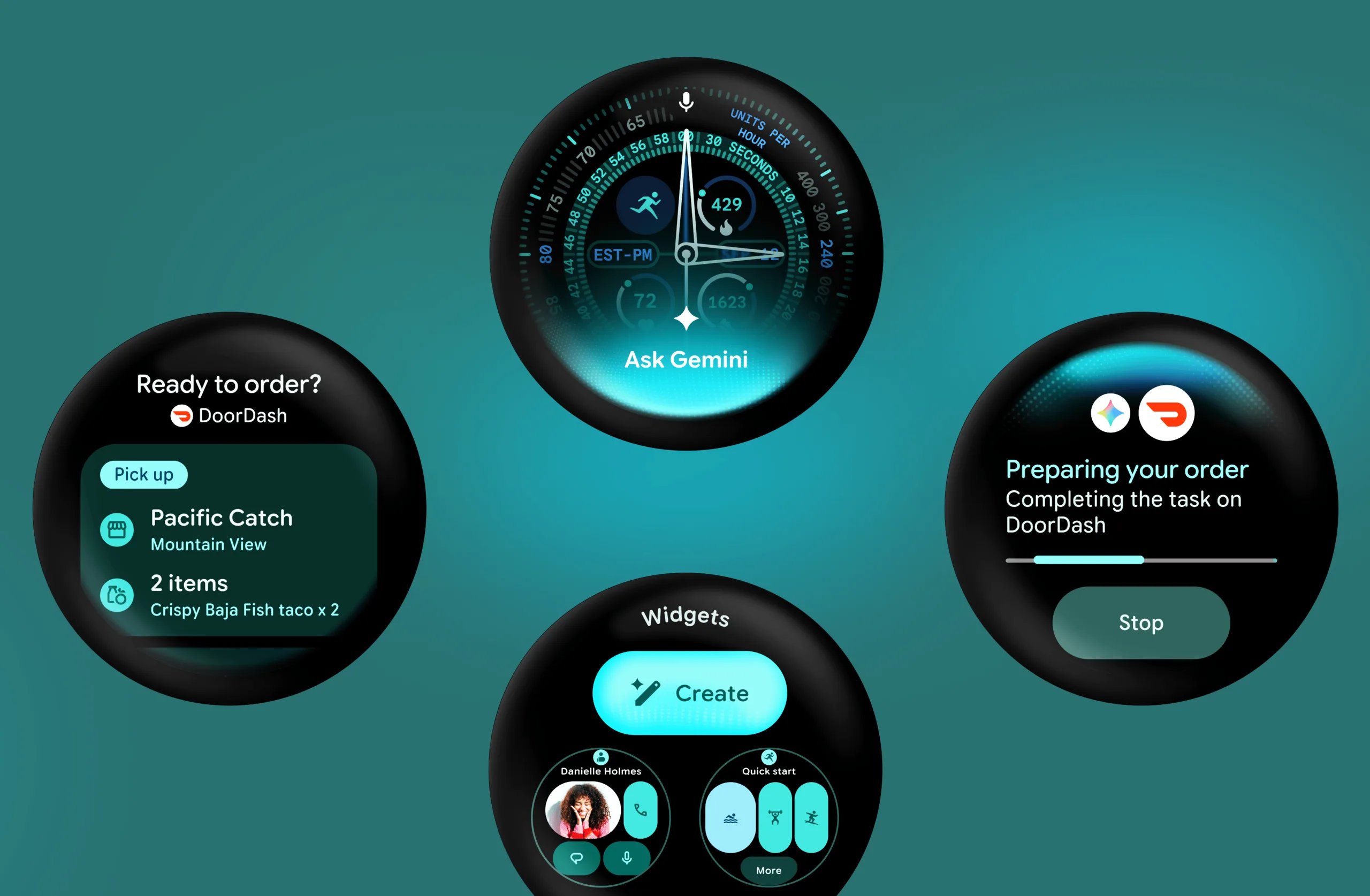
The bigger structural change is the death of full-screen Tiles. They are replaced by Widgets that look and behave almost exactly like the Android widgets on your phone. This is the part worth paying attention to.
{{IMAGE:2}}
Tiles were always a Wear OS quirk, a swipeable card format unique to the watch that developers had to build separately. Widgets fold the watch into the same model Android already uses, which makes them more interactive and, just as important, far cheaper for developers to ship. Porting an existing Android widget to the wrist becomes a much shorter trip than authoring a bespoke Tile from scratch. More developer effort spent equals more apps that actually bother to support the watch, which is the chronic weakness of every smartwatch platform that isn't Apple's.
Google is pushing the same standardization idea into fitness. Wear OS 7 exposes a common interface for workout features like heart rate readouts and music playback, so third-party fitness apps can use Google's UI components instead of reinventing them. Watch face development gets a similar streamlining pass aimed at cutting the work required to build and maintain faces. The throughline across all of these is reducing friction for the people who make the software, which historically has been Wear OS's real bottleneck.
One genuinely useful consumer feature: music can now stream to multiple sets of headphones at once, over Google Cast or Bluetooth. It is a niche capability, but a tidy one for shared listening straight from the watch.
How it compares
Measured against Wear OS 5 and its predecessors, this is an evolution, not a leap. There is no headline new sensor, no display technology, no chip story, because the update has to run on existing hardware going back to the Pixel Watch 2. What it does is clean up the platform's two long-standing complaints, mediocre battery endurance and a thin app ecosystem, by attacking both from the efficiency and developer-tooling side rather than promising flashy new modes.
Stacked against watchOS 27, the comparison is instructive. Apple's advantage was never the hardware so much as the depth of third-party support, and Google's entire bet with the Widgets migration is to narrow that gap by making the development model familiar. Whether app makers respond is the open question, but the strategy is sound. Aligning the watch with Android's widget framework is the most direct path Google has to closing the software deficit.
The one sour note is fragmentation. By drawing the line above the original Pixel Watch, Google leaves 2022 buyers on an older release less than four years after purchase. That is shorter support than many phones now offer, and it is the kind of detail that should factor into how much you trust the longevity of any current model.
Who it's for
If you own a Pixel Watch 2, 3 or 4, this is a free, worthwhile update you should take the moment it reaches your watch. The battery gain alone justifies installing it, and the Widgets shift should make the watch more useful over time as developers come along. If you are shopping now, Wear OS 7 makes the Pixel Watch 4 a stronger pick, though the support cutoff on the first-generation model is a reminder to weigh how long any given watch will keep getting updates. And if you are still on the original Pixel Watch, this is the release that signals it is time to start planning an upgrade.
Comments
Please log in or register to join the discussion