
Motorola's next foldable phone gets detailed ahead of launch, showing impressive specs including a 6.9-inch main display and 18GB RAM option.
The Motorola Razr 70 has been detailed through a TENAA certification listing, offering an early look at the specifications of Motorola's upcoming foldable smartphone before its expected launch next month.
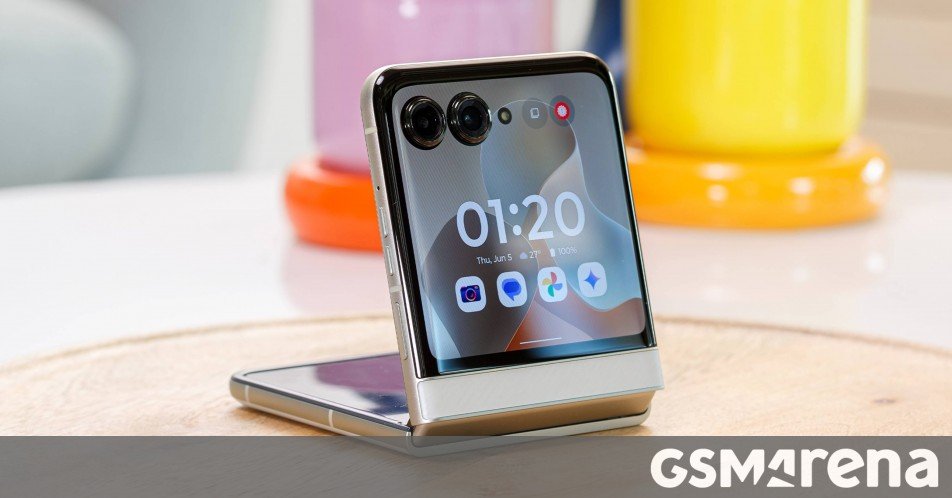
The listing reveals that the Razr 70 (model number XT2657-2) will feature a 6.9-inch OLED main display with a resolution of 1080 × 2640 pixels. This represents a slight increase in size compared to previous Razr models, potentially offering more screen real estate for users who rely on their foldable as their primary device. The cover screen measures 3.63 inches with a resolution of 1056 × 1066 pixels, providing quick access to notifications and basic functions without unfolding the device.
Under the hood, the device will be powered by an octa-core processor running at 2.75GHz. While the exact chipset isn't specified in the listing, this clock speed suggests it could be a mid-to-high-end Snapdragon processor, possibly the Snapdragon 7 Gen 3 or similar. The device will be available with up to 18GB of RAM and 1TB of internal storage, putting it in competition with flagship devices from other manufacturers in terms of memory capacity.

The camera system appears to be a significant upgrade, featuring a dual 50MP rear camera setup. The main sensor will likely be a standard wide-angle lens, while the second 50MP sensor is expected to be a telephoto camera, as the listing indicates support for 3x optical zoom. This would mark a substantial improvement over previous Razr models, which typically featured more modest camera systems. For selfies and video calls, the device includes a 32MP camera housed in the inner flexible display.
Battery life should be adequate for a full day of use, with the device featuring dual batteries totaling around 4,500mAh. This split battery design is common in foldable devices to accommodate the hinge mechanism. The listing also confirms the presence of a side-mounted fingerprint scanner for biometric security.
In terms of physical dimensions, the Razr 70 measures 7.2mm in thickness and weighs 188 grams. These figures suggest a relatively slim and lightweight design, which is important for a device that needs to fold in half. The weight is comparable to other flagship smartphones, despite the additional complexity of the folding mechanism.
Motorola is expected to unveil both the Razr 70 and the higher-end Razr 70 Ultra next month, following the typical April launch timeline established with last year's Razr 60 lineup. The Razr series has become increasingly important for Motorola as the company looks to compete in the growing foldable smartphone market, where Samsung currently dominates.
The specifications revealed in the TENAA listing position the Razr 70 as a competitive offering in the foldable space, with impressive memory options, capable cameras, and a larger main display. However, the true test will be how these components work together in everyday use, particularly the durability of the folding mechanism and the overall user experience with Android on a foldable form factor.
For consumers interested in foldable technology but hesitant about the premium prices often associated with Samsung's Galaxy Z Flip series, the Razr 70 could represent an attractive alternative, especially if Motorola prices it competitively. The combination of high RAM options, substantial storage, and capable cameras suggests Motorola is targeting users who want flagship-level performance in a unique form factor.
As we approach the expected launch date, more details about pricing, availability, and any unique software features Motorola might include will likely emerge. The foldable smartphone market continues to evolve rapidly, and devices like the Razr 70 will play a crucial role in determining whether foldables can move beyond niche appeal to become mainstream devices.
Comments
Please log in or register to join the discussion