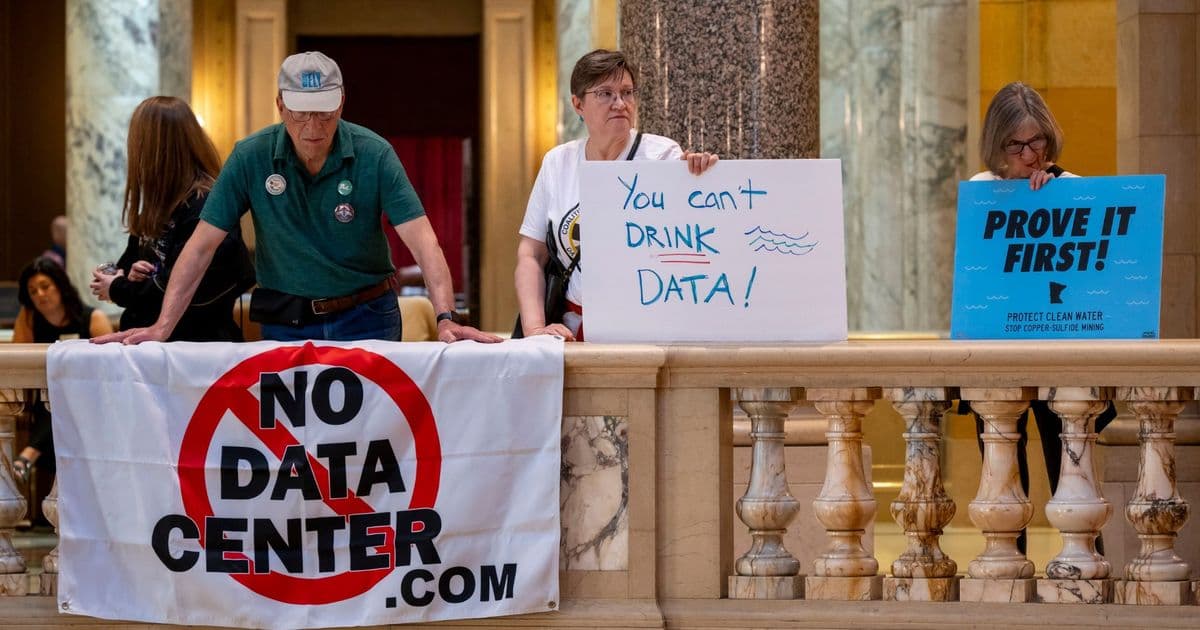
A 69,220-square-foot DC BLOX facility sited 50 yards from Nashville Zoo has triggered a zoning appeal, a 331,000-signature petition, and proposed legislation that would ban data centers over 500,000 square feet across Davidson County, putting Nashville on track for some of the strictest siting rules in any major U.S. city.
A dispute over a proposed data center next to Nashville Zoo has grown into a test case for how American cities regulate the physical footprint of compute infrastructure. The zoo's land use attorney has filed a zoning appeal to overturn permits already granted to developer DC BLOX, an opposition petition has crossed 331,000 signatures, and Grammy-winning country star Brad Paisley has called the project "an absolute nightmare scenario" in a video posted to Instagram over the weekend.
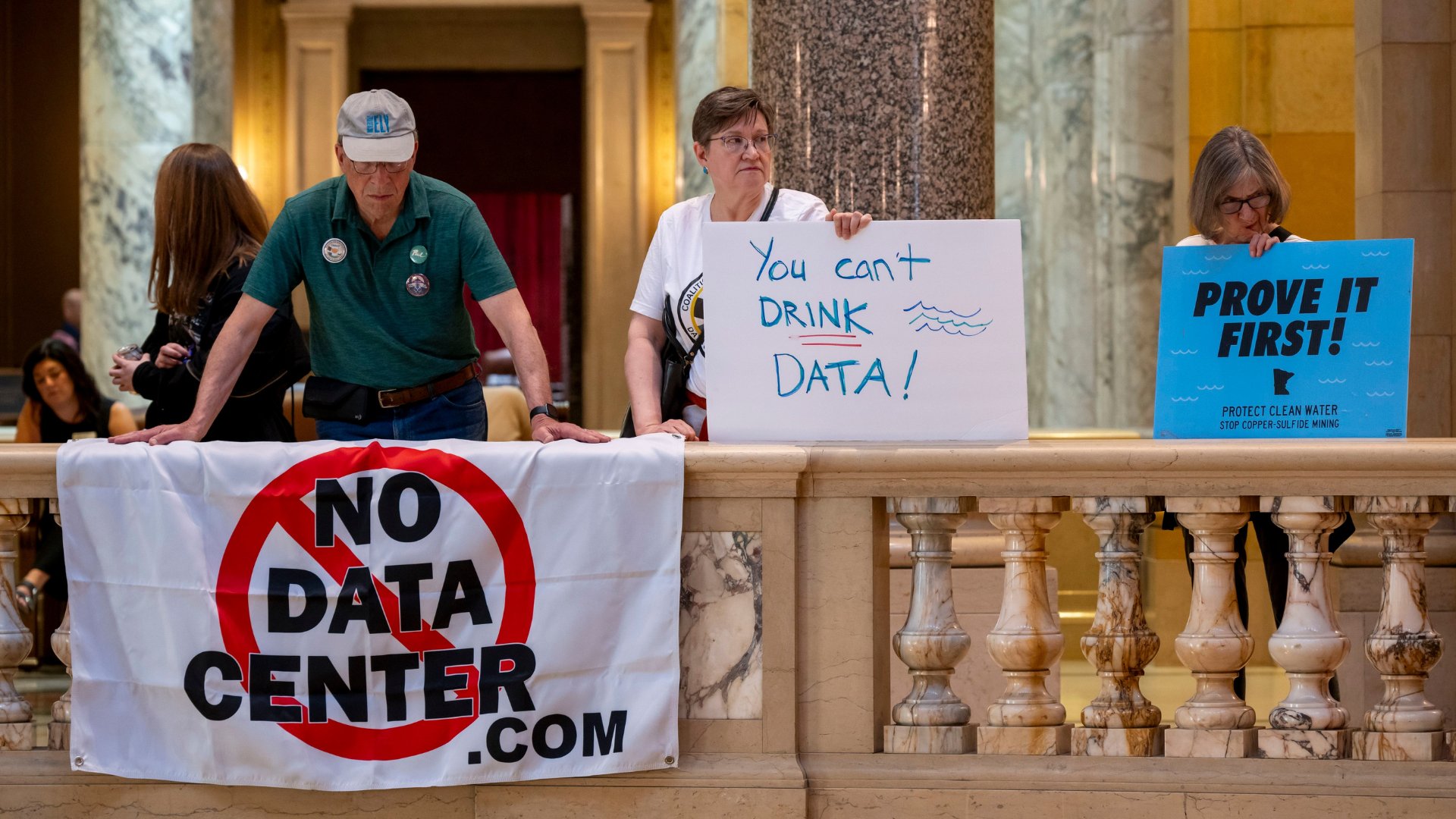
The facility at 648 Grassmere Park sits roughly 50 yards from the zoo grounds. The zoo argues that noise and light from the site could disturb vulnerable species, including the clouded leopards it is working to conserve through captive breeding programs. The objection is unusual in that it centers on wildlife rather than the residential and water-supply concerns that drive most data center fights.
The numbers behind the facility
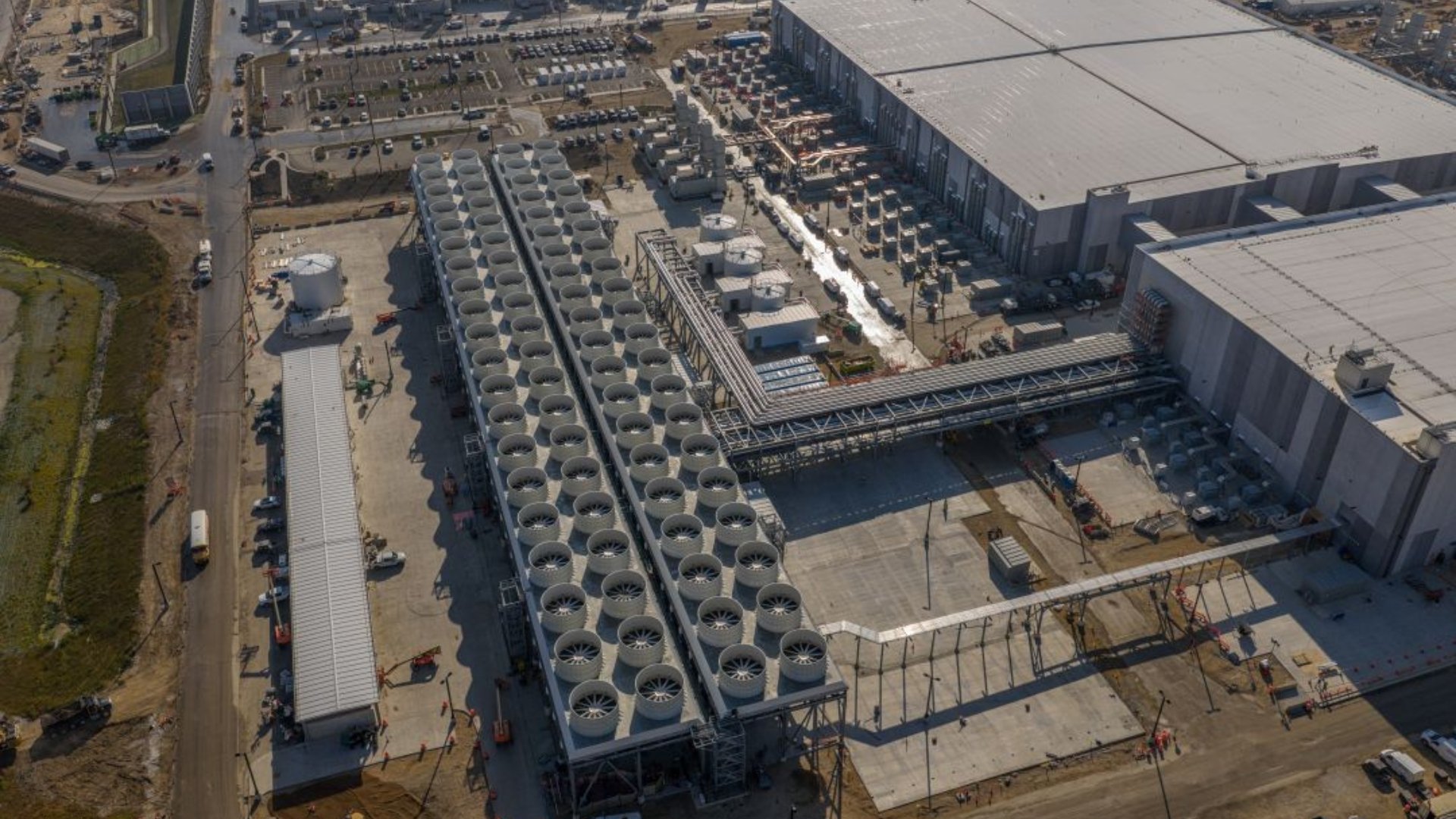
The scale here matters, and it cuts against the headline framing. At 69,220 square feet, the DC BLOX building is small. For comparison, hyperscale campuses routinely exceed one million square feet, and many single buildings in those campuses run 250,000 to 500,000 square feet on their own. The Grassmere Park site would draw an estimated 50 MW from the local grid, a meaningful but modest load. A single large AI training cluster today can pull anywhere from 100 MW to several hundred megawatts, and the largest announced campuses are targeting gigawatt-scale power over the next few years.
DC BLOX has stated the site would use closed-loop or waterless cooling, which keeps process water in a sealed circuit rather than drawing continuously from and returning to the municipal supply. A company spokesperson told NBC News the facility "would not be an AI factory placing a burden on local resources" and noted the land previously hosted a data center. The spokesperson could not say what the new facility would be used for or whether AI companies would be among its customers.
That ambiguity is part of why the project has drawn fire. A 50 MW, 69,000-square-foot facility is far more consistent with a colocation or enterprise edge deployment than with the kind of accelerator-dense training hall that defines the current AI buildout. The opposition has nonetheless folded it into the broader backlash against AI infrastructure.
The legislation
The more consequential development is Bill BL2026-1391, filed by District 20 Councilmember Rollin Horton and passed after a first reading earlier this month. It would create Nashville's first zoning rules specifically for data centers, and the thresholds are aggressive. According to local outlet WKRN, facilities over 500,000 square feet would be prohibited outright across Davidson County. Buildings between 100,000 and 500,000 square feet would require Board of Zoning Appeals approval following a public hearing.
The operational requirements go further than siting. All data centers would have to run closed-loop cooling systems that return no water to the public supply. Smaller facilities would face buffer zones of 100 to 500 feet from homes, daycares, churches, parks, and other data centers, plus a half-mile setback from homes, schools, and zoos. Backup generators would be restricted to emergencies and testing, addressing a common complaint about diesel runtime and emissions during routine operation. Developers would also have to prove that Nashville Electric Service has the capacity to serve a project before approval, shifting the burden of grid adequacy onto the applicant.
The DC BLOX project falls well under the 500,000-square-foot ban and already claims closed-loop cooling, so the proposed half-mile zoo buffer is the provision that would actually block it. The Metro Planning Commission is set to hold a public hearing Thursday, June 11th, on the legislation.
Grid policy moving in parallel
State-level action is reinforcing the local pressure. Governor Bill Lee signed a separate Tennessee law last week requiring data centers to cover the cost of the grid infrastructure upgrades their facilities require. That is a direct response to a recurring problem in regions absorbing large compute loads: transmission and substation upgrades that historically spread across the ratepayer base, raising bills for residents who see no benefit from the new load.
Cost allocation is becoming the central fight in data center siting nationally. Utilities are signing interconnection agreements for loads that dwarf existing peak demand in some service territories, and regulators are reworking tariff structures to ensure that the entities driving the buildout pay for the capacity they consume. Tennessee's law puts the state on the side of that shift.
A national pattern
Nashville is not an outlier. A Gallup survey from last month found that 70% of Americans oppose data centers built near their homes, and Seattle is moving toward a one-year moratorium on new AI data center construction. Local governments from Virginia to Arizona have introduced setback requirements, noise ordinances, and water-use restrictions over the past 18 months as the buildout accelerated.
The friction is structural. Demand for AI compute is concentrating capital into a small number of very large facilities, while the land, power, and water those facilities need sit in communities that bear the local externalities. Closed-loop cooling and waterless designs address part of the objection, and on-site or contracted generation addresses another, but proximity to homes, schools, and, in this case, endangered animals remains a political problem that engineering alone does not solve.
If Horton's bill passes, Nashville would adopt some of the strictest data center siting rules of any major U.S. city, written in direct response to a facility too small for most AI workloads. The outcome will signal how far municipalities are willing to go in constraining where compute can be built, and whether the regulatory response tracks the actual scale of a project or the broader anxiety attached to the term "AI data center."
Comments
Please log in or register to join the discussion