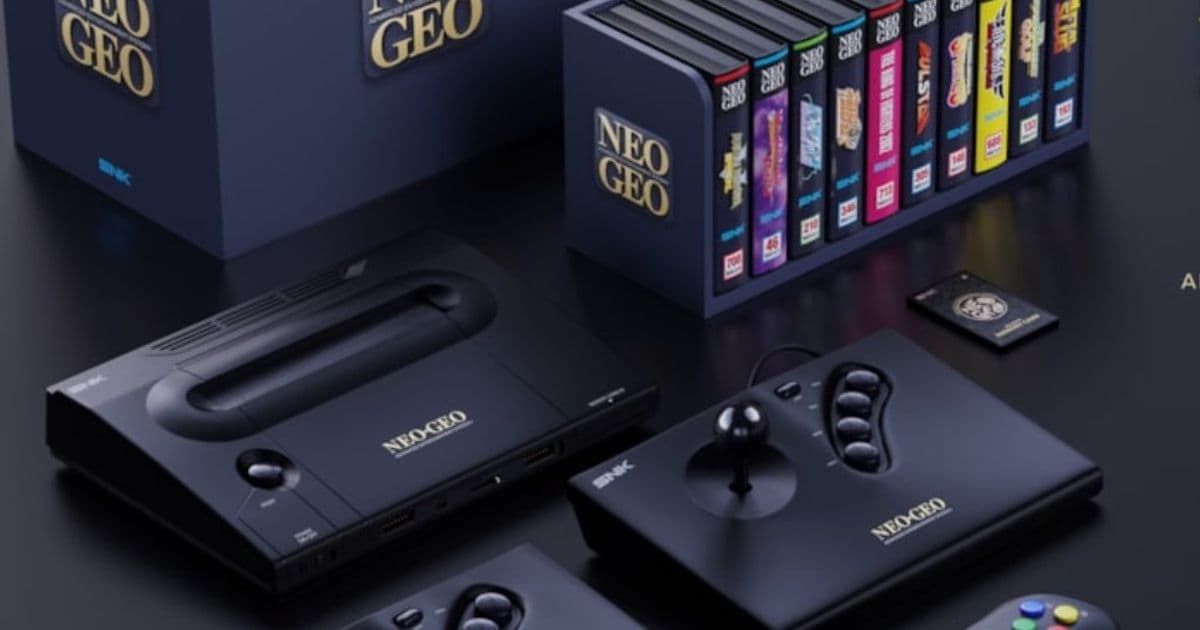
The upcoming Neo Geo AES+ faces allegations of hardware misrepresentation as FPGA developers debate whether it's truly an ASIC-based reproduction or a repackaged FPGA solution in disguise.
The Neo Geo AES+ is set to make a grand return this November, promising to resurrect one of gaming's most legendary consoles with modern connectivity. However, a brewing controversy among hardware specialists threatens to overshadow the launch, with claims that Plaion's modern reproduction might not be what it appears to be.
What's New: The Modern Neo Geo Experience
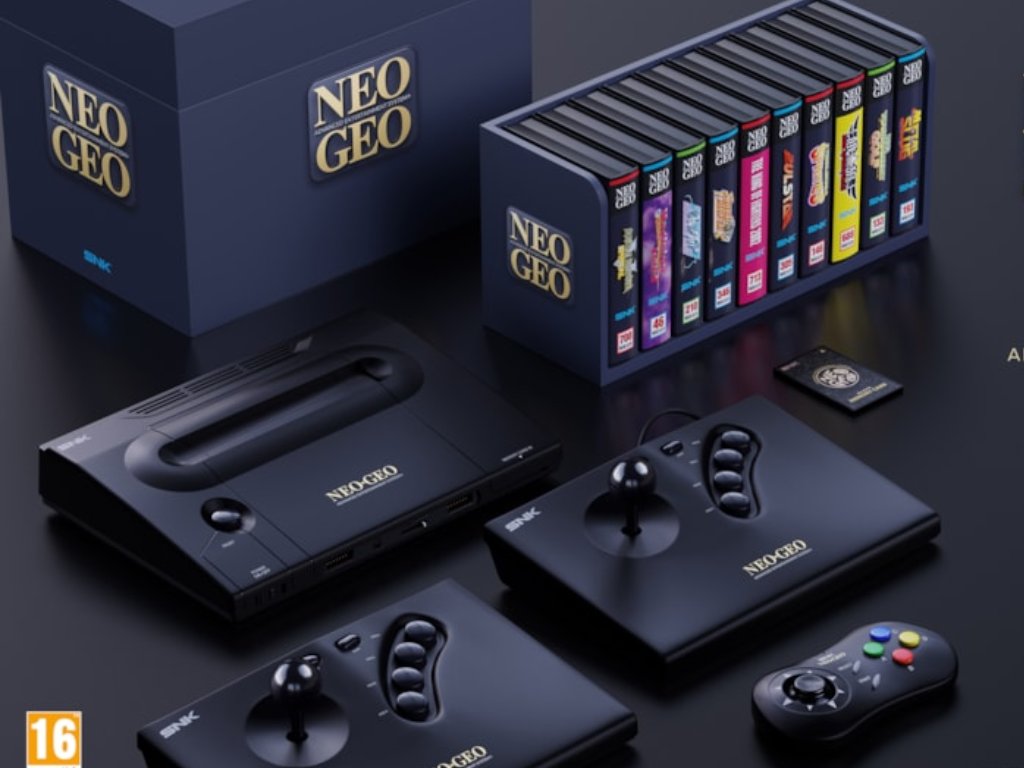
Slated for release on November 13, 2026, the Neo Geo AES+ aims to bring the classic 1990s home console experience to modern living rooms. Priced at $250 for the standard black edition and slightly more for the white anniversary edition, the console promises both nostalgic authenticity and contemporary convenience.
Plaion has marketed the AES+ as a painstakingly accurate reproduction of the original hardware, featuring brand-new, re-engineered ASIC chips designed to replicate the original console's performance with pixel-perfect accuracy. The console will support both original Neo Geo cartridges and new re-releases, addressing a key concern for collectors who fear damaging valuable original software.
From a connectivity perspective, the AES+ offers HDMI output for modern televisions while maintaining compatibility with retro CRT displays via RGB and composite video outputs. The console also includes stereo sound support and DIP switches for region selection, preserving the authentic Neo Geo experience while adding modern flexibility.
How It Compares: The Hardware Debate
The core controversy surrounding the Neo Geo AES+ centers on its actual implementation. While Plaion insists the console uses custom ASIC chips, FPGA developer Pramod Somashekar has publicly accused the company of running a "bait and switch" operation.
According to Somashekar, the AES+ is essentially using FPGA MiSTer cores rather than true ASIC implementation. "That means this is basically the MiSTer core, but instead of having the design on one FPGA, you break it up into multiple ASICs," he stated in response to an X thread. "It's a bait and switch, especially after the marketing page says otherwise."
The distinction between ASIC and FPGA implementation is significant. ASIC (Application-Specific Integrated Circuit) is hard-wired for a specific purpose, offering consistent performance but no flexibility for updates. FPGA (Field-Programmable Gate Array) can be dynamically reconfigured, allowing for potential updates and improvements but potentially introducing different performance characteristics.
This allegation takes on particular weight given Plaion's explicit marketing that positions the AES+ as an authentic hardware reproduction rather than an emulation or FPGA-based approximation. If Somashekar's claims are accurate, the console would be more akin to a specialized FPGA solution than the true hardware reproduction advertised.
Adding complexity to the situation, FPGA specialists Jotego and Furrtek have confirmed their involvement in the project, providing support for the development of the custom ASIC chips. Furrtek, known for contributions like the Neo CD SD Loader and Fusion Converter, initially praised the project's ambition: "The Neo Geo AES+ has every chance of being the best since SNK themselves stopped manufacturing hardware. Perfect, maybe not, but certainly with the ambition to do better than emulation, to honor the brand, and to respect the fans."
However, Furrtek later clarified that his "better" reference meant the new hardware offers advantages over emulation alone, not necessarily superiority over FPGA implementations.
The technical debate highlights a crucial distinction in the retro gaming community between hardware accuracy and flexibility. ASIC-based solutions like the Analogue NT Mini and Super NT have been praised for their pixel-perfect replication of original hardware, while FPGA-based solutions like the MiSTer offer updateability at the potential cost of some accuracy.
For the Neo Geo specifically, which has a complex and expensive original hardware design, the implementation approach significantly impacts both authenticity and long-term viability. An ASIC solution would theoretically offer the most accurate experience but would be frozen in time at the point of manufacturing. An FPGA solution could be updated to address issues or even add features, but might not perfectly replicate the original hardware behavior.
Who It's For: The Modern Retro Gamer
The Neo Geo AES+ targets several overlapping audiences:
For serious collectors, the console offers a way to experience classic Neo Geo games without risking valuable original cartridges. The ability to play both original and re-released cartridges provides flexibility while maintaining the authentic hardware experience.
For retro gaming enthusiasts, the AES+ represents potentially the most accessible way to experience the Neo Geo's library, which has historically been prohibitively expensive. The original Neo Geo console and cartridges commanded prices that made it a luxury item for most gamers.
For modern gamers curious about retro classics, the HDMI output and contemporary connectivity options lower the barrier to entry for experiencing the Neo Geo's unique library of fighting games and other titles.
For hardware purists, the console's value proposition hinges entirely on the resolution of the ASIC versus FPGA debate. If the console truly delivers on its promise of ASIC-based accuracy, it could set a new standard for retro console reproductions. If FPGA-based, it would join the MiSTer as a flexible alternative that trades some authenticity for updateability.
The Neo Geo AES+ arrives in an increasingly competitive retro gaming market, where consumers have numerous options for experiencing classic games, from original hardware with HDMI converters to various FPGA and emulation solutions. The success of Plaion's venture may depend not just on the console's technical merits but on how transparently the company addresses the current controversy surrounding its implementation.
As the November release date approaches, retro gaming enthusiasts will be watching closely to see whether the Neo Geo AES+ delivers on its promise of authentic hardware reproduction or if it represents something different entirely. For a console that has built its reputation on precision and performance, the accuracy of its modern reproduction has never been more scrutinized.
Comments
Please log in or register to join the discussion