A new report documents how modern lynchings continue through different methods while public awareness remains dangerously low
A new report reveals that lynching in the United States has not disappeared but has instead evolved into different forms, continuing to claim lives while remaining largely unrecognized by the public.
The Evolution of Racial Violence The report, authored by researchers at the University of Alabama, documents how traditional public lynchings that once terrorized Black communities have transformed into more covert but equally deadly acts of racial violence. While the spectacle of mob justice has largely disappeared, the underlying patterns of racial hatred and extrajudicial killing persist.
Modern Manifestations Researchers identified several contemporary forms of lynching:
- Police-involved deaths that follow patterns similar to historical lynchings
- Racially motivated murders that authorities fail to investigate thoroughly
- Deaths in custody that lack proper scrutiny
- Vigilante killings that receive minimal legal consequences
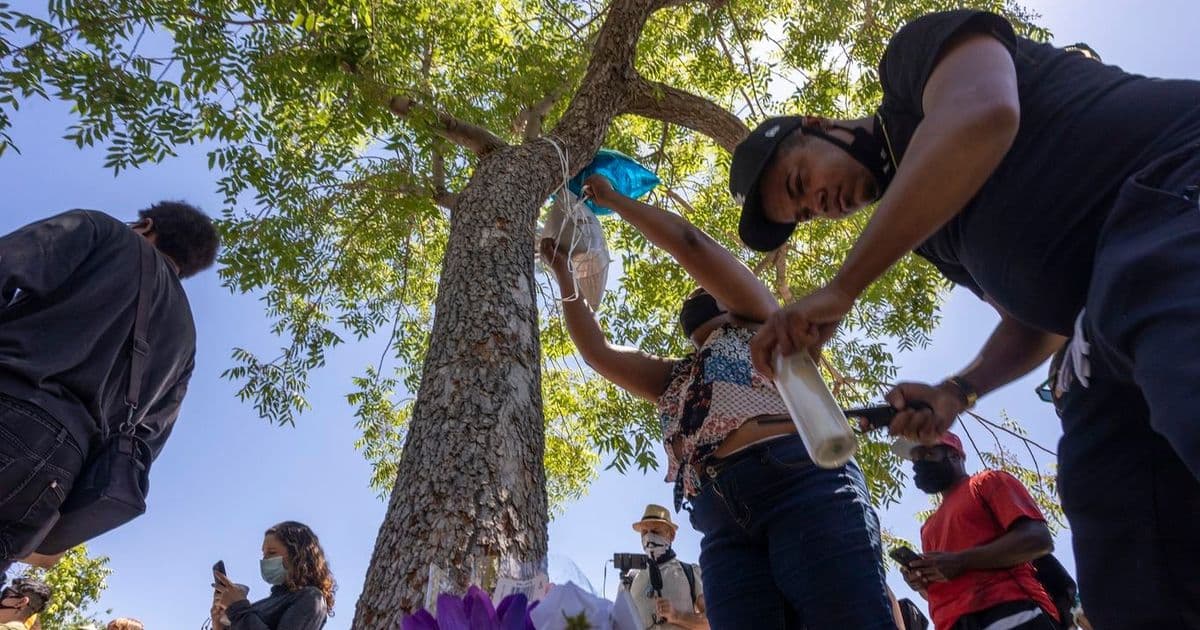
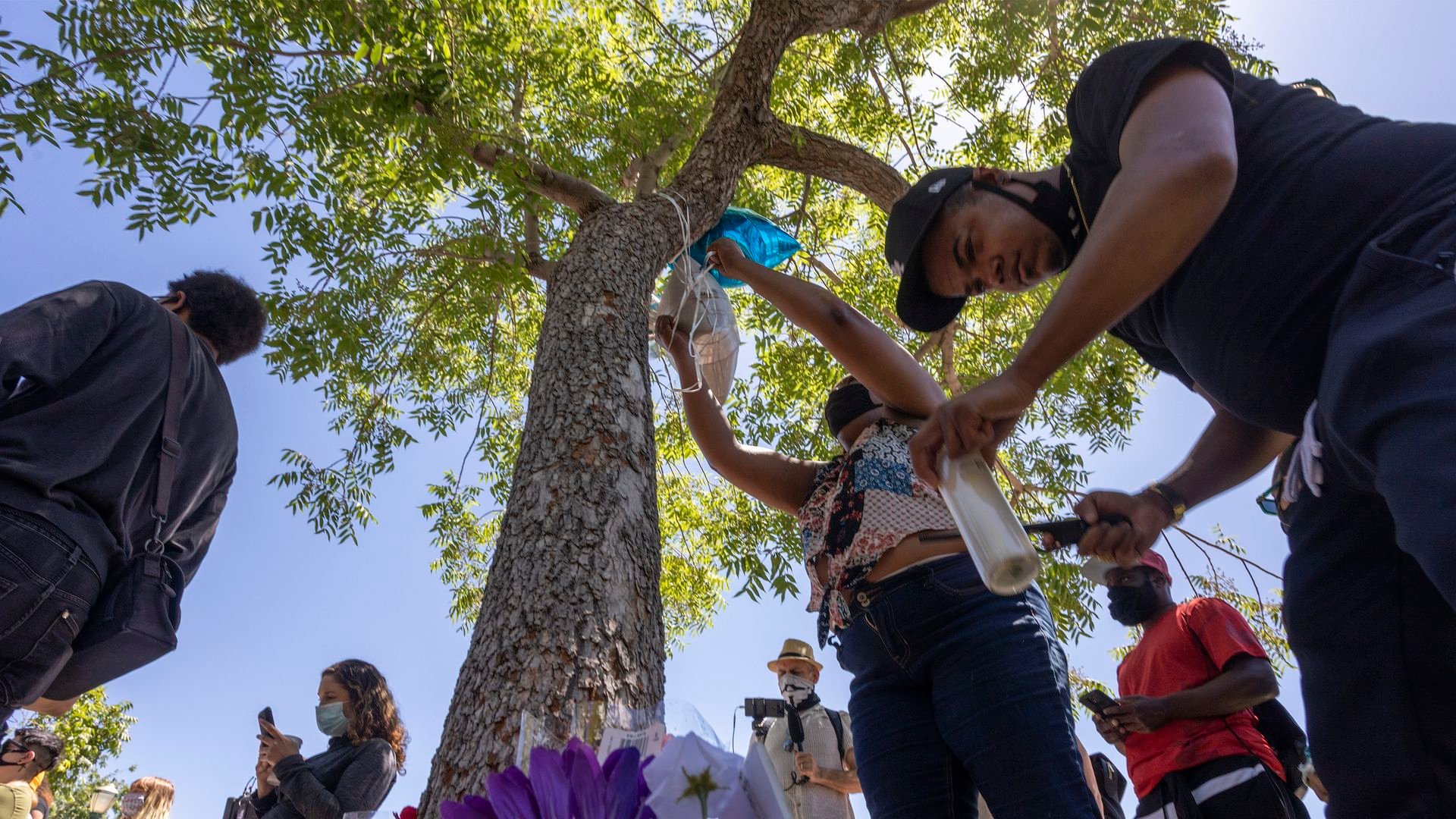
The report specifically cites cases like Robert Fuller, a 24-year-old Black man found hanging from a tree in Palmdale, California, in June 2020. While authorities initially ruled his death a suicide, community members and activists questioned whether it was another lynching disguised as a hanging.
Statistical Evidence The study found that racial disparities in deaths involving law enforcement and suspicious circumstances have remained consistent over decades. While official statistics show declining "lynching" numbers, researchers argue this reflects a change in terminology rather than a change in behavior.
Community Impact The psychological trauma of lynching continues to affect communities of color, even when deaths occur through different mechanisms than historical public spectacles. The report emphasizes that the terror and message of racial subordination remain consistent across different eras.
Legal and Social Implications The authors call for updated legal frameworks to address modern forms of lynching and improved data collection on racially motivated deaths. They argue that without proper recognition and documentation, these crimes will continue to be minimized or ignored.
Historical Context The report places current events within the long history of racial violence in America, showing how each generation has found new ways to terrorize and control communities of color while maintaining plausible deniability.
The findings challenge the common narrative that racial violence in America is a problem of the past, instead revealing a disturbing continuity that has adapted to changing social and legal conditions.
Comments
Please log in or register to join the discussion