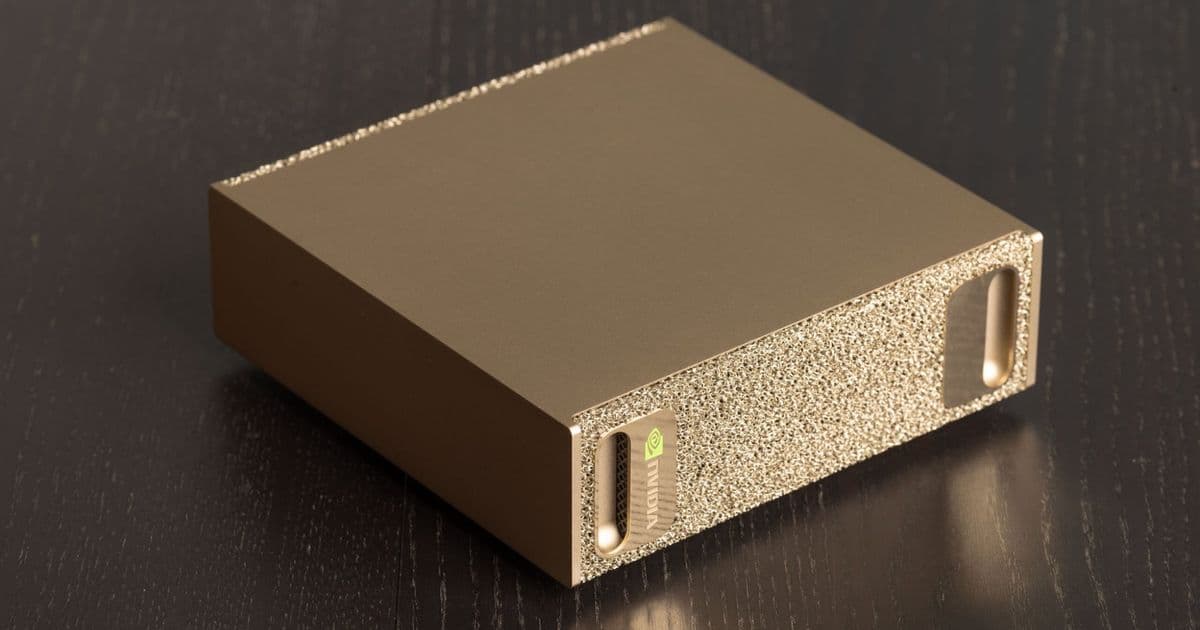
Nvidia raises DGX Spark AI mini-PC price by 18% to $4,699 due to global memory shortages, highlighting supply chain pressures in the AI hardware sector.
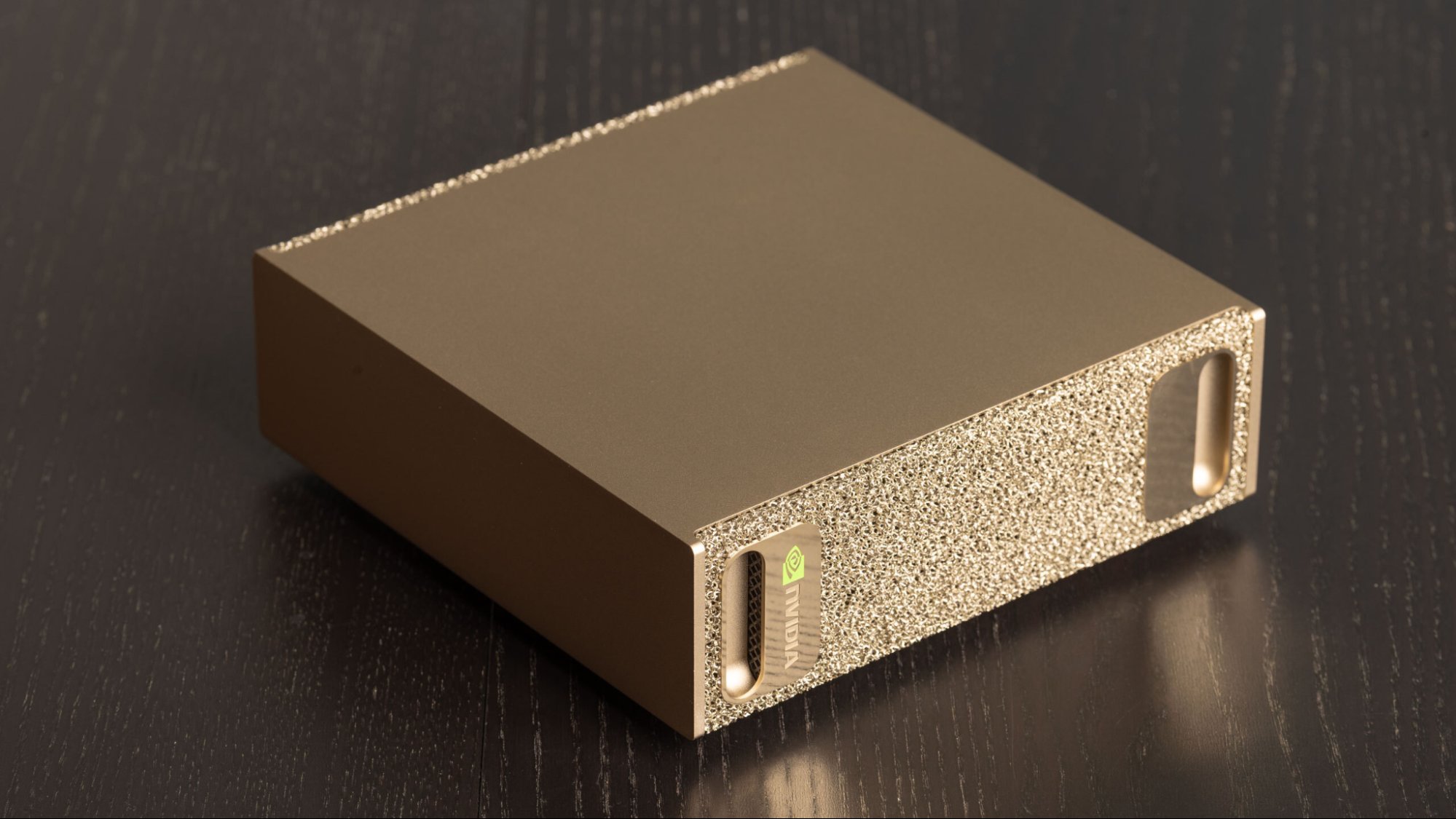
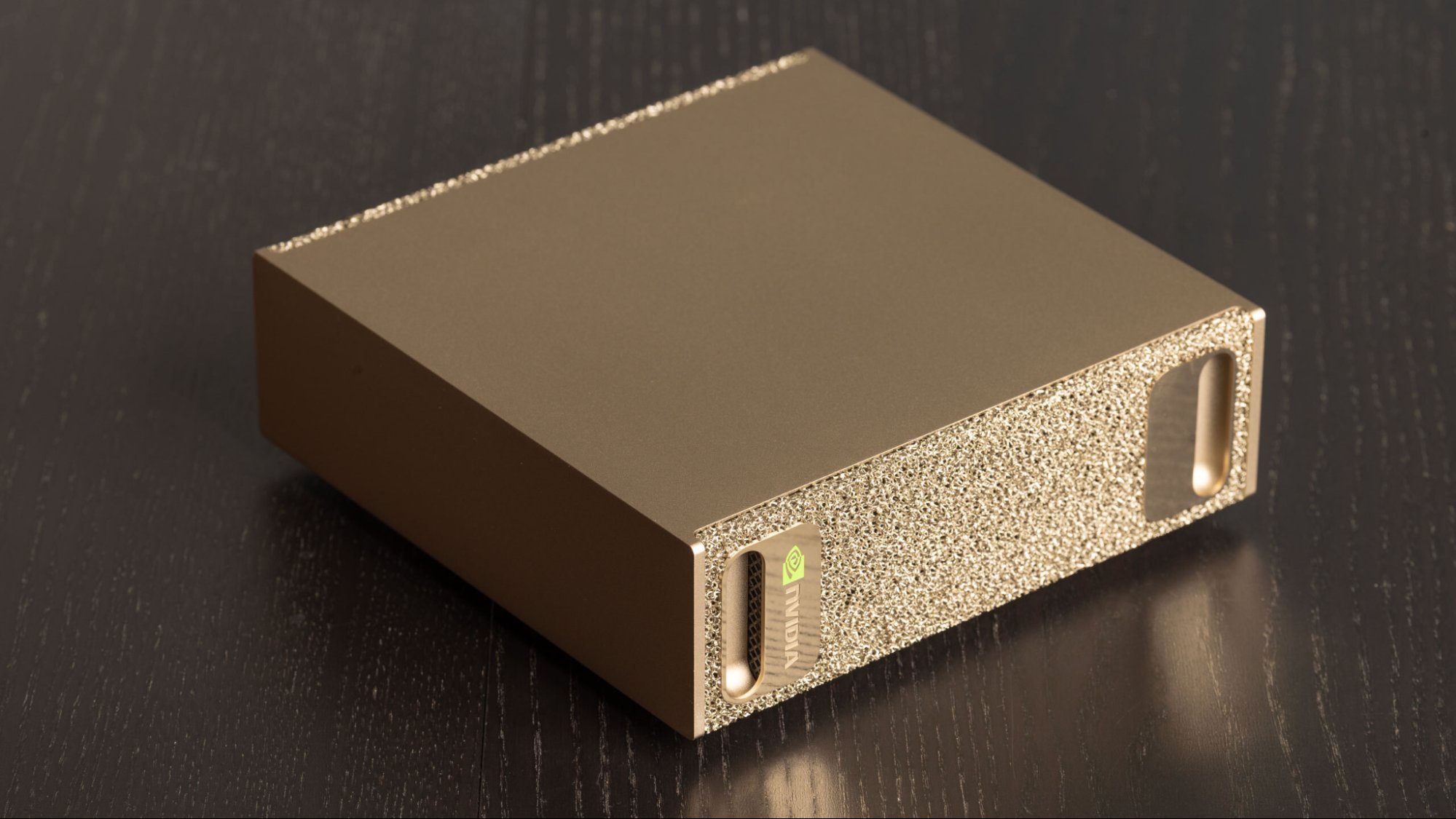
Nvidia has implemented an 18% price increase for its DGX Spark AI mini-PC, raising the cost from $3,999 to $4,699 as global memory shortages continue to impact the semiconductor industry. The price adjustment, announced through Nvidia's official developer forums, reflects the company's response to constrained memory supplies worldwide, with the new pricing already active on Nvidia.com while other sales channels may require additional time to update.
Memory Supply Constraints Drive Hardware Price Increases
The price hike comes amid ongoing challenges in the memory market, where demand for high-performance DRAM and NAND flash continues to outstrip supply. Industry analysts have noted that AI hardware development has placed unprecedented pressure on memory manufacturers, with LPDDR5X modules in particular facing tight availability.
Nvidia's decision to pass these costs directly to consumers marks a significant shift in the AI hardware market. The DGX Spark, originally positioned as an accessible entry point for AI development at the $4,000 price point, now sits at $4,699 - a substantial increase that may impact adoption rates among individual developers and smaller research teams.
Technical Specifications Remain Unchanged
Despite the price increase, the DGX Spark's hardware specifications remain identical to the original launch configuration. The system continues to feature:
- GB10 Grace Blackwell Superchip co-developed with MediaTek
- 10 Arm Cortex-X925 and 10 Cortex-A725 CPU cores
- Blackwell GPU delivering up to 1 petaFLOP of AI inferencing performance
- 128GB LPDDR5X coherent unified memory
- 4TB NVMe SSD storage
- Multiple connectivity options including USB-C, HDMI 2.1a, 10Gb Ethernet, and QSFP ports
The device's compact form factor (5.9" x 5.9" x 2") and ability to support models with up to 200 billion parameters through FP4 quantization continue to make it attractive for AI development workloads.
Market Context and Competitive Landscape
Nvidia's price increase occurs against a backdrop of growing competition in the AI development hardware space. Several OEM partners, including Dell, Asus, MSI, and HP, offer similar systems built around comparable hardware configurations.
The Asus Ascent GX10 emerges as a particularly compelling alternative, priced at $3,266.53 with only a 1TB SSD difference from the DGX Spark. This price differential of nearly $1,400 highlights how Nvidia's pricing strategy may be pushing cost-sensitive customers toward competing solutions.
Software Ecosystem and Developer Support
Despite the price increase, the DGX Spark maintains its strong software ecosystem. The device runs Nvidia's DGX OS, based on Ubuntu and supporting the CUDA software stack that has become essential for AI development. Nvidia has secured partnerships with major software providers including:
- Anaconda for Python data science packages
- Cadence for electronic design automation
- ComfyUI for stable diffusion workflows
- Docker for containerization
- Google, Microsoft, and Meta for cloud integration
- Hugging Face for model repositories
- JetBrains for development environments
- LM Studio and Ollama for local model serving
- Roboflow for computer vision applications
Impact on AI Development Community
The price increase may have significant implications for the AI development community. Individual developers, researchers at smaller institutions, and startups may find the $4,699 price point increasingly difficult to justify, particularly when alternative solutions offer similar performance at lower costs.
Existing orders will be honored at the original pricing, providing some relief for customers who have already committed to purchases. However, new customers face the higher price point, which could slow adoption rates and potentially impact the broader AI development ecosystem.
Supply Chain Analysis
The memory shortage driving this price increase reflects broader challenges in the semiconductor supply chain. The AI boom has created unprecedented demand for high-bandwidth memory solutions, while manufacturing capacity struggles to keep pace with rapidly growing requirements.
Industry experts suggest that these supply constraints may persist through 2025, potentially leading to further price adjustments across the AI hardware market. The situation underscores the vulnerability of the AI development ecosystem to memory supply fluctuations and highlights the need for diversified supply chains and alternative memory technologies.
Future Outlook
As AI model sizes continue to grow and inference requirements become more demanding, the pressure on memory supplies is likely to intensify. Companies developing AI hardware will need to balance performance requirements with cost considerations, potentially leading to innovative approaches to memory architecture and utilization.
The DGX Spark price increase serves as a bellwether for the AI hardware market, suggesting that memory-related costs will remain a significant factor in hardware pricing strategies throughout the coming year. Developers and organizations planning AI infrastructure investments should factor these potential cost increases into their budgeting and procurement strategies.
For now, the AI development community must navigate this new pricing reality while evaluating alternative solutions that may offer better value propositions in the current market environment.
Comments
Please log in or register to join the discussion