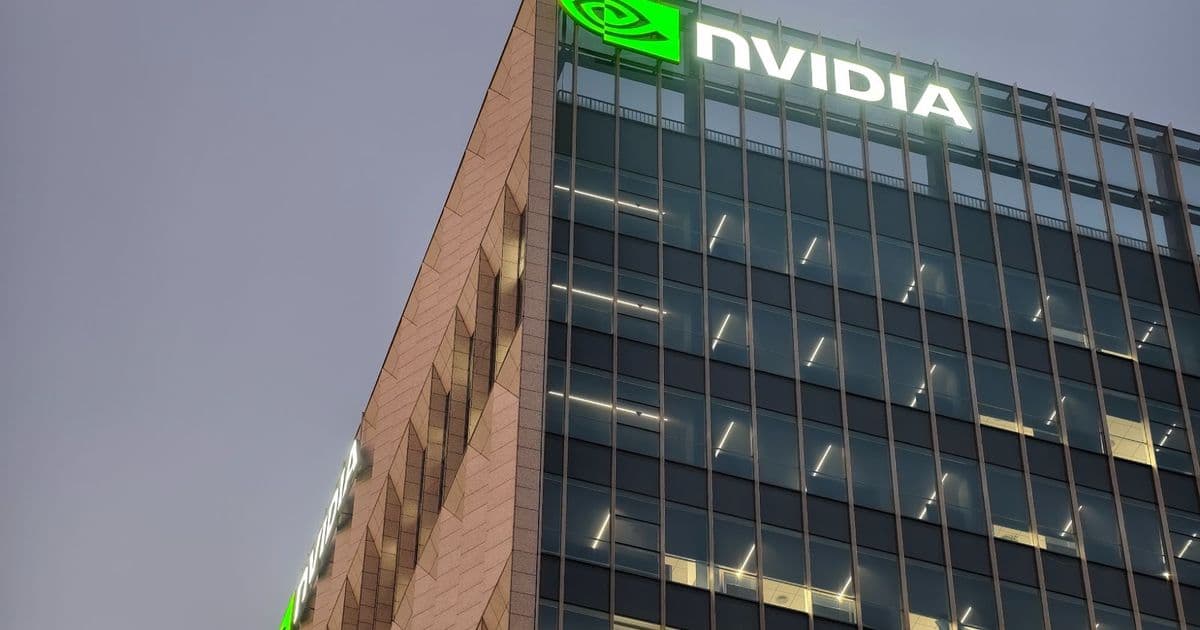
Nvidia invests $2 billion in Marvell to deepen NVLink Fusion partnership, ensuring custom ASIC compatibility with its AI ecosystem while maintaining revenue streams from competitors' silicon.
Nvidia has made a strategic $2 billion investment in Marvell Technology, deepening their partnership through NVLink Fusion and creating a fascinating dynamic in the competitive AI chip landscape. The deal connects Marvell to Nvidia's AI factory and AI-RAN ecosystem, allowing the custom ASIC giant to integrate its silicon with Nvidia's proprietary interconnect fabric while ensuring Nvidia maintains revenue streams from its competitors' hardware.
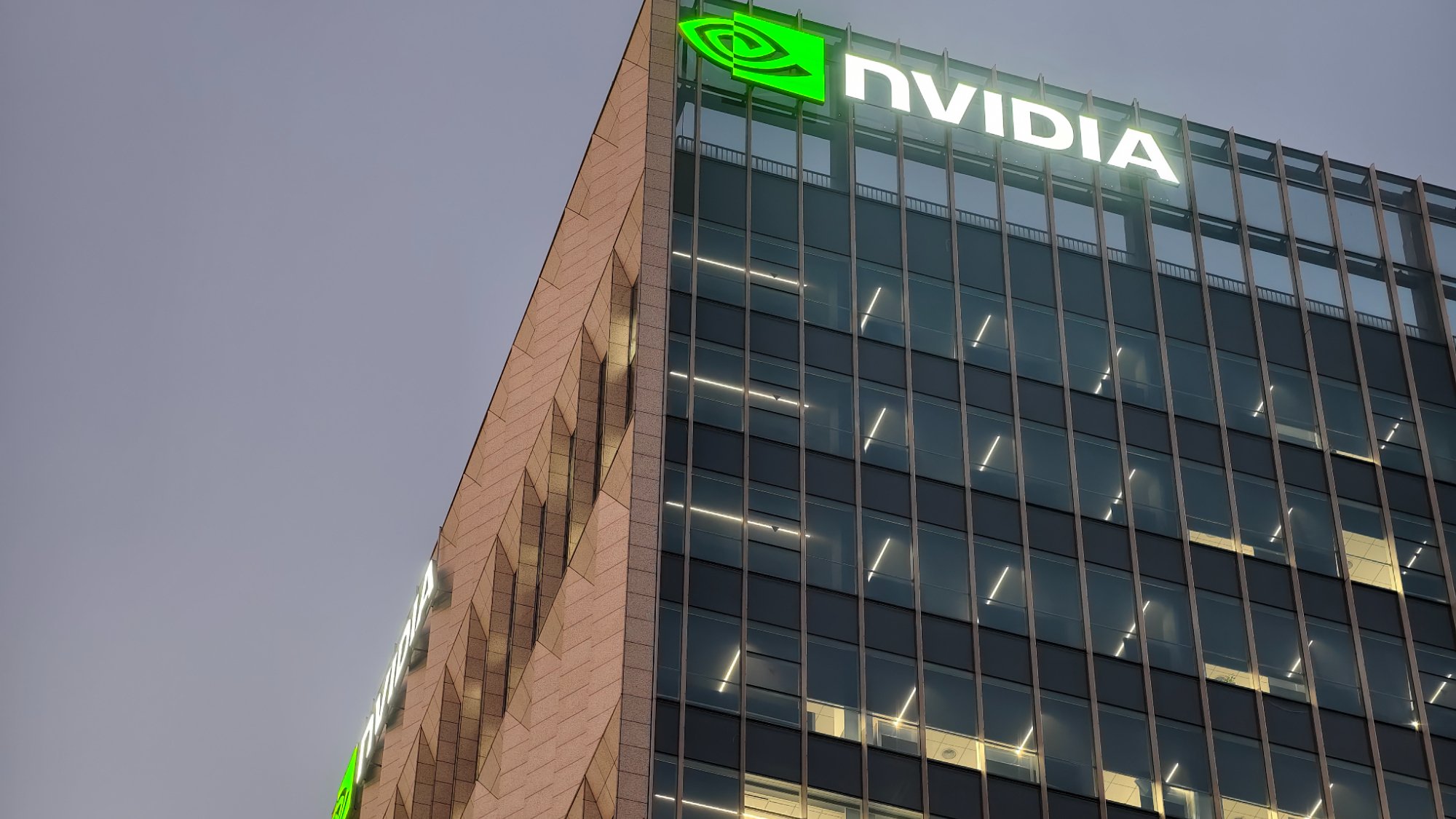
Marvell stands as one of only two dominant custom ASIC design houses alongside Broadcom, with an impressive client roster that includes AWS (for its Trainium AI accelerators), Microsoft, and Google. These custom chips were specifically designed to give hyperscalers alternatives to Nvidia's GPU dominance, making this investment particularly noteworthy in the ongoing battle for AI infrastructure supremacy.
The partnership details reveal a carefully structured collaboration. Marvell will provide custom XPUs and NVLink Fusion-compatible scale-up networking, while Nvidia supplies Vera CPUs, ConnectX NICs, Bluefield DPUs, NVLink interconnect, and Spectrum-X switches. The companies will also collaborate on silicon photonics and AI-RAN infrastructure for 5G and 6G networks, expanding the scope beyond traditional data center applications.
Jensen Huang, Nvidia's founder and CEO, framed the deal in terms of the current AI inflection point: "The inference inflection has arrived. Token generation demand is surging, and the world is racing to build AI factories. Together with Marvell, we are enabling customers to leverage Nvidia's AI infrastructure ecosystem and scale to build specialized AI compute."
NVLink Fusion, launched in May 2024, enables heterogeneous AI infrastructure where non-Nvidia accelerators can communicate with Nvidia GPUs, CPUs, and networking hardware over NVLink's high-bandwidth, low-latency fabric. The program requires platforms to include at least one Nvidia product, whether a CPU, GPU, or switch, ensuring that even custom silicon designed by competitors remains tied to Nvidia's ecosystem.
Marvell's contribution focuses on custom XPUs and high-speed optical interconnects, leveraging its recent Celestial AI acquisition that added photonic fabric technology to its portfolio. The company reported $8.2 billion in revenue for fiscal year 2026, with data center revenue accounting for more than 74% of the total, demonstrating the strategic importance of this partnership to its business model.
Matt Murphy, Marvell's chairman and CEO, emphasized the complementary nature of the collaboration: "By connecting Marvell's leadership in high-performance analog, optical DSP, silicon photonics and custom silicon to Nvidia's expanding AI ecosystem through NVLink Fusion, we are enabling customers to build scalable, efficient AI infrastructure."
The strategic implications extend beyond immediate technical integration. By pulling Marvell into the NVLink Fusion ecosystem, Nvidia ensures that custom XPUs designed by Marvell remain compatible with, and dependent on, Nvidia's broader infrastructure. Every NVLink Fusion platform requires at least one Nvidia component, so Marvell-designed ASICs that use the fabric still generate Nvidia revenue, effectively monetizing its competitors' silicon choices.
This ecosystem strategy has been building steadily since NVLink Fusion's launch. Samsung Foundry joined in October to offer design-to-manufacturing support for NVLink-compatible custom chips. Arm entered the program in November, enabling its licensees to build CPUs with native NVLink connectivity. However, Nvidia's direct competitors AMD, Intel, and Broadcom remain absent from the program, instead backing the open UALink standard as a competing rack-scale interconnect.
The investment represents a sophisticated approach to maintaining market dominance while accommodating the growing demand for custom silicon solutions. Rather than fighting the trend toward specialized AI accelerators, Nvidia has positioned itself to benefit from it through ecosystem lock-in and revenue sharing. This strategy allows hyperscalers to pursue their custom chip ambitions while ensuring Nvidia remains central to their infrastructure decisions.
The timing is particularly significant given the current AI infrastructure buildout. As inference workloads surge and token generation demand accelerates, the ability to integrate diverse silicon solutions while maintaining high-bandwidth, low-latency communication becomes increasingly critical. NVLink Fusion provides the technical foundation for this integration while serving Nvidia's business interests through its mandatory inclusion requirement.
For Marvell, the deal provides access to Nvidia's extensive ecosystem and customer base while validating its custom silicon capabilities at the highest level. The investment also provides financial flexibility as the company continues to expand its data center business and develop new technologies in areas like silicon photonics and AI-RAN infrastructure.
The partnership highlights the complex interdependencies emerging in the AI chip industry, where traditional competitors find themselves collaborating on shared infrastructure while competing in other areas. It also demonstrates how interconnect standards and ecosystem control can become as strategically important as the silicon itself in determining market outcomes.
As AI factories continue to scale and the demand for specialized compute grows, the ability to integrate diverse silicon solutions while maintaining performance and efficiency will become increasingly critical. Nvidia's investment in Marvell and the expansion of NVLink Fusion position the company to benefit from this trend regardless of which silicon solutions customers ultimately choose, as long as they remain within the Nvidia ecosystem through NVLink Fusion compatibility.
This strategic move reflects a maturing AI chip market where pure competition gives way to more nuanced relationships involving collaboration, ecosystem control, and revenue sharing. The $2 billion investment in Marvell represents not just a financial transaction but a fundamental reshaping of how AI infrastructure partnerships will function in the coming years, with Nvidia positioning itself as the connective tissue binding together diverse silicon solutions into cohesive, high-performance systems.
Comments
Please log in or register to join the discussion