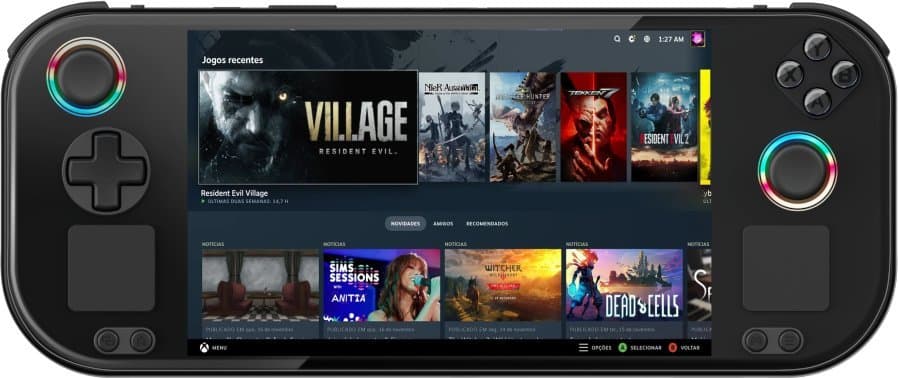
The Orange Pi Neo, a Linux-powered handheld gaming PC, has been delayed indefinitely as rising DDR5 RAM and SSD prices make the project financially unviable for now.
The Orange Pi Neo, a highly anticipated Linux-powered handheld gaming PC, has hit a significant roadblock that will delay its release indefinitely. According to an update on the Manjaro forums, the project is "currently on ice" due to "the high prices of DDR5 RAM and SSDs." This development comes as a disappointment to enthusiasts who have been waiting nearly two years for the device to launch.
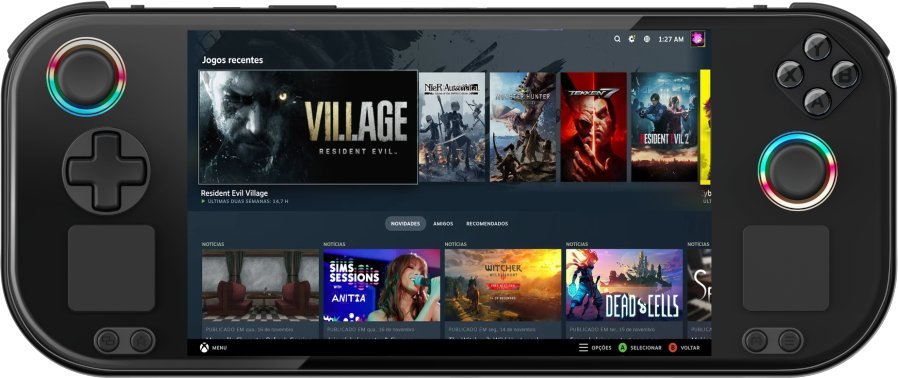
The hardware and software for the Orange Pi Neo appear to be ready for production. The device has already received necessary certifications for sale in the US and Europe, and Manjaro Gaming Edition has seen numerous improvements during the development process. However, the economics of manufacturing have become untenable in the current market.
The original pricing strategy was ambitious: a model featuring an AMD Ryzen 7 7840U processor with 16GB of RAM and 512GB of storage was planned for around $450, while a more powerful variant with a Ryzen 7 8840U, 32GB of RAM, and 512GB SSD was set to retail for $550. These price points positioned the Orange Pi Neo as a competitive option in the handheld gaming market.
However, the dramatic increase in component costs has forced Orange Pi to reconsider. Rather than passing the increased manufacturing costs onto consumers by raising prices, the company has opted to delay the project until market conditions improve. This decision reflects a commitment to maintaining the original value proposition, even if it means a longer wait for customers.
This delay highlights the broader challenges facing the handheld gaming PC market. The Orange Pi Neo was already entering a competitive space where Intel and AMD have released newer processors with significantly better graphics performance. The device was set to ship with slightly older AMD Ryzen chips, which could have put it at a performance disadvantage compared to newer alternatives.
Additionally, while Valve has demonstrated strong demand for Linux-based handhelds with the Steam Deck, it remains uncertain how much interest exists for a device running Manjaro Linux. The Steam Deck's success with SteamOS has set a high bar, and breaking into this market with a different Linux distribution presents its own challenges.
For now, Manjaro and Orange Pi are "waiting for a good time to launch the product." Given that the project was announced two years ago and that industry analysts don't expect RAM and SSD prices to fall significantly in the near future, the timeline for the Orange Pi Neo's release remains unclear. What was once positioned as an innovative entry into the handheld gaming PC market may ultimately become a case study in how component pricing can derail even well-planned hardware projects.
Comments
Please log in or register to join the discussion