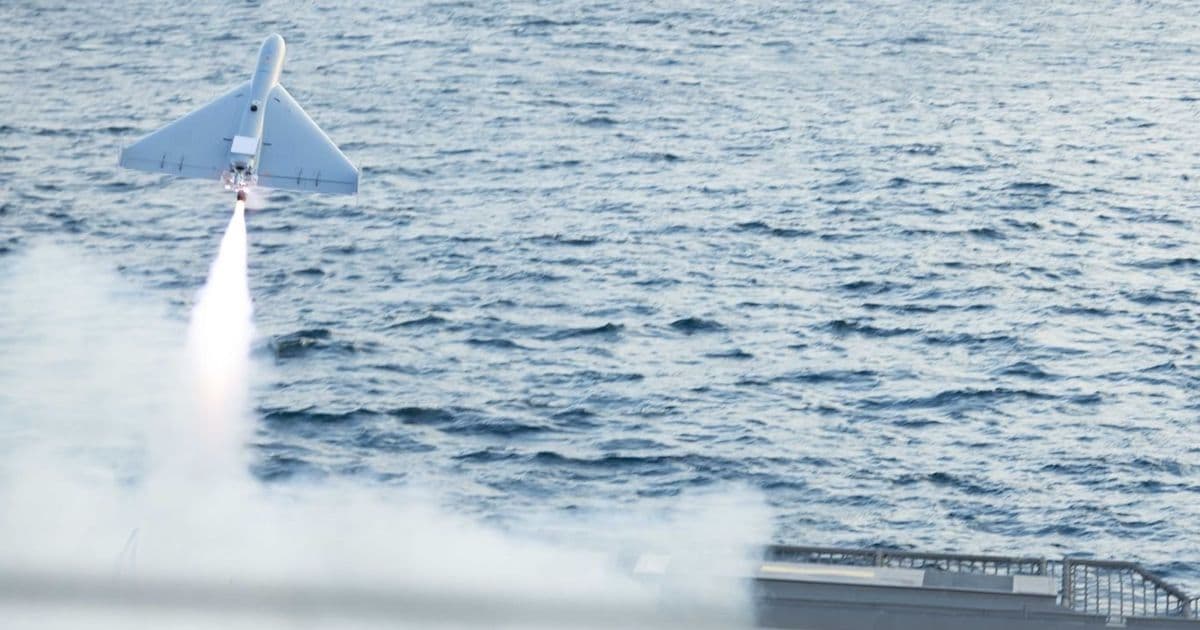
The U.S. military has deployed advanced autonomous weapons systems, including the LUCAS drone, to the Persian Gulf as part of a strategic show of force amid escalating tensions with Iran.
The U.S. military has deployed a new generation of AI-powered weapons systems to the Persian Gulf, marking a significant escalation in military technology deployment amid rising tensions with Iran. The centerpiece of this deployment is the Low-cost Unmanned Combat Attack System (LUCAS), which has been successfully launched from the deck of the USS Santa Barbara in recent operations.
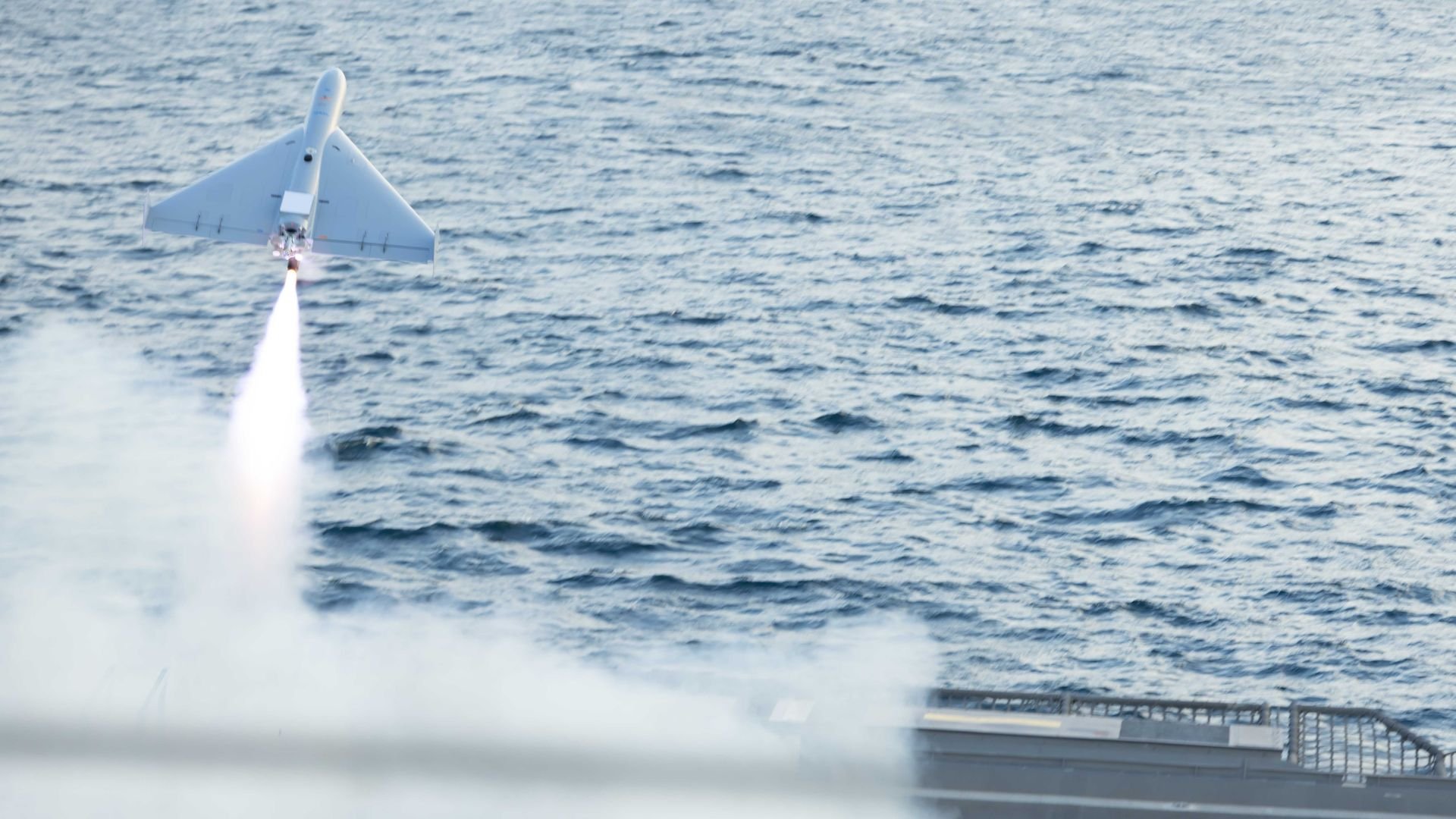
The LUCAS system represents a major advancement in autonomous military technology. Unlike traditional drones that require constant human control, LUCAS can operate with a high degree of autonomy, making real-time decisions about target engagement and mission execution. This capability significantly reduces the cognitive load on human operators while increasing the system's responsiveness in dynamic combat scenarios.
Military analysts note that the deployment of these systems serves multiple strategic purposes. First, it demonstrates the Pentagon's commitment to maintaining technological superiority in the region. Second, it provides a credible deterrent against potential Iranian aggression. Third, it allows the U.S. to project power without necessarily committing large numbers of ground troops.
The timing of this deployment is particularly significant given the current geopolitical climate. Iran has been conducting increasingly provocative military exercises in the Persian Gulf, and there have been multiple incidents involving commercial shipping in the region. The presence of advanced autonomous weapons systems sends a clear message about the U.S. military's readiness to respond to any threats.
From a technological perspective, the LUCAS system incorporates several cutting-edge features. It uses advanced computer vision algorithms to identify and track targets, machine learning models to predict enemy movements, and encrypted communication systems to prevent jamming or interference. The system can operate in swarm configurations, with multiple units coordinating their actions to overwhelm enemy defenses.
The deployment also raises important questions about the future of warfare. As autonomous weapons systems become more sophisticated, military strategists are grappling with issues of accountability, decision-making authority, and the potential for unintended escalation. The Pentagon has stated that human oversight remains a critical component of these systems, but the exact nature of that oversight varies by mission type.
Industry experts point out that the development of systems like LUCAS has been accelerated by advances in commercial AI technology. Many of the algorithms used in these weapons systems were originally developed for civilian applications like autonomous vehicles and facial recognition. This crossover between commercial and military technology has dramatically shortened development timelines.
Financial analysts have noted that the deployment represents a significant investment in military AI capabilities. While exact figures are classified, industry sources estimate that the LUCAS program has cost several hundred million dollars to develop and deploy. This investment is part of a broader Pentagon initiative to modernize military capabilities through artificial intelligence and autonomous systems.
The strategic implications extend beyond the immediate Persian Gulf region. Other nations are closely watching this deployment, as it provides insights into the current state of military AI technology. Countries like China and Russia have been developing their own autonomous weapons systems, and the U.S. deployment may accelerate their own programs.
Military experts emphasize that the effectiveness of these systems depends not just on their technical capabilities, but also on the broader military strategy in which they're deployed. The LUCAS systems are being used as part of a layered defense approach that includes traditional naval assets, cyber capabilities, and diplomatic efforts.
As tensions with Iran continue to evolve, the role of autonomous weapons systems is likely to expand. Military planners are already considering how these technologies might be used in other potential conflict zones, from the South China Sea to Eastern Europe. The success or failure of current deployments will inform future investment decisions and operational concepts.
The deployment of LUCAS and similar systems represents a significant milestone in the evolution of military technology. It demonstrates both the potential benefits of AI in warfare and the complex ethical and strategic challenges that come with it. As these technologies continue to advance, they will likely reshape not just military operations, but also international relations and global security dynamics.
For now, the focus remains on the Persian Gulf, where these new weapons systems stand ready to respond to any threats while serving as a powerful deterrent. The coming months will reveal whether this technological show of force achieves its strategic objectives or whether it leads to further escalation in an already tense region.
Comments
Please log in or register to join the discussion