A team of Master's students in Responsible Digitalisation used Power BI and machine learning to analyze customer data for the fictitious company VenturaGear, demonstrating how data analytics can drive strategic decision-making while maintaining ethical standards.
In today's competitive business landscape, data-driven decision-making has become essential for companies seeking to understand their customers and maintain a competitive edge. A recent project by a team of Master's students in Responsible Digitalisation demonstrates how Power BI can be leveraged to transform complex datasets into actionable business insights while maintaining ethical standards.
Project Overview: VenturaGear's Challenge
The fictitious company VenturaGear faced increasing competition in the market, prompting the need for deeper customer insights. The challenge was to analyze customer behavior, feedback, and preferences to support more effective targeting strategies and inform strategic decision-making.
The Team and Their Roles
The project brought together five students, each contributing specialized expertise:
- Kylie Eggen (Product Owner): Oversaw project management and ensured ethical data handling practices
- Ha Nguyen & Rianne van Ee (Data Analysts): Focused on data preparation, analysis, and interpretation
- Aya Torqui & Ting Yu (Data Visualisation Consultants): Designed interactive dashboards and visual narratives
Technical Implementation with Power BI
The team utilized Microsoft Power BI as their primary analytical environment, following a structured approach:
Data Preparation
- Imported multiple CSV datasets into Power BI
- Used Power Query for data cleaning and transformation
- Addressed data quality issues including duplicate records and formatting inconsistencies
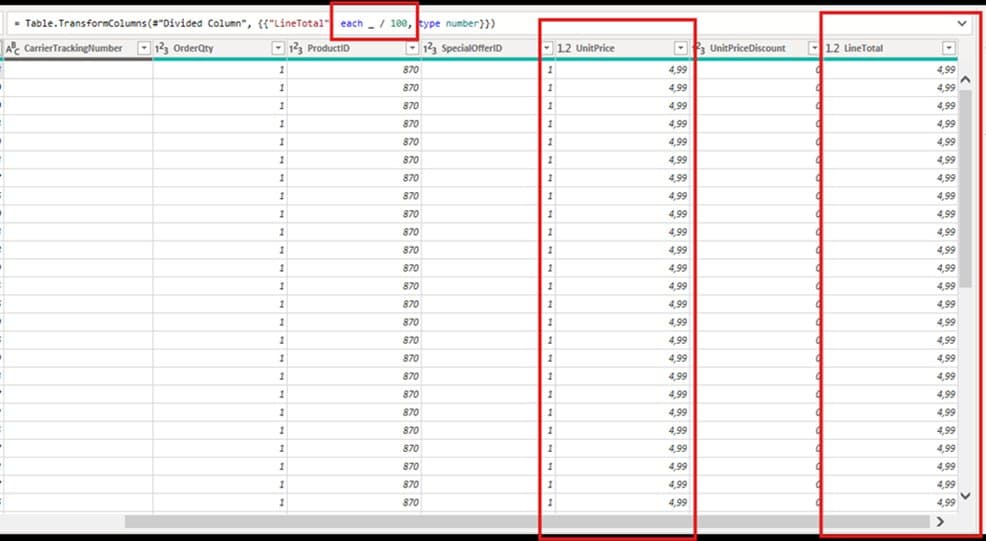
- Recalculated inflated unit prices by correcting decimal placement issues
- Handled missing data by excluding blank values while maintaining analytical integrity
Data Modeling
- Created a relational data model connecting sales transactions, product information, customer behavior, and sales reasons
- Established relationships across multiple dimensions for comprehensive analysis
- Enabled cross-dimensional analysis of customer activity and purchasing patterns
Machine Learning Integration
- Applied XGBoost machine learning model to identify factors influencing sales of top revenue-generating products
- Learned feature selection techniques and handling of missing values
- Developed skills in interpreting model outputs critically
Dashboard Development
- Created interactive dashboards using Power BI's visualization tools
- Implemented accessible color themes and slicers for dynamic exploration
- Designed user-friendly interfaces allowing managers to investigate patterns independently
Key Findings and Insights
The analysis revealed several critical insights for VenturaGear:
- Geographic Focus: The company's primary sales occurred in Australia
- Purchase Motivations: Price emerged as the biggest contributor to purchasing decisions
- Data Quality Challenges: Initial data issues required careful preprocessing and transformation
- Customer Segmentation Opportunities: Potential for grouping customers into categories like high-value customers, discount-sensitive buyers, and frequent online shoppers
Lessons Learned
The project yielded valuable insights beyond technical skills:
Technical Proficiency
- Mastering new systems requires structured learning approaches
- Data analysis is manageable when approached systematically
- Visualization skills complement analytical capabilities
Ethical Considerations
- Data anonymization and responsible handling are crucial
- Transparency in data collection and usage builds customer trust
- Clear consent options improve data quality and ethical compliance
Collaboration and Teamwork
- Role specialization enhanced project efficiency
- Cross-role collaboration ensured project coherence
- Team dynamics improved throughout the project lifecycle
Future Development Opportunities
The team identified several areas for expansion:
- Real-time Data Integration: Implementing automated data refresh for continuous performance tracking
- Enhanced Machine Learning: Expanding predictive capabilities to include customer segmentation and purchase prediction
- Behavioral Data Collection: Improving survey participation rates to reduce missing values
- Ethical Framework Enhancement: Developing clearer consent mechanisms for web shop data collection
Conclusion: Bridging Analytics and Responsibility
This project successfully demonstrated how data analytics can support smarter, more responsible business decisions. The team transformed complex customer and sales data into clear, interactive insights that help managers understand online behavior, purchasing motivations, and performance trends.
The experience reinforced that meaningful analytics requires:
- Technical proficiency in tools like Power BI
- Strong understanding of data quality and preparation
- Commitment to ethical data handling practices
- Effective teamwork and collaboration
- Continuous evaluation and critical thinking
Call to Action
The team encourages professionals to engage with data analytics tools like Power BI, emphasizing that while challenges are inevitable, persistence leads to valuable skill development. They stress the importance of maintaining transparency and responsibility throughout the analytical process.
As businesses increasingly rely on data-driven insights, this project serves as a model for how technical capabilities can be combined with ethical considerations to create solutions that are both impactful and responsible. The skills developed through this project—from data preparation to ethical decision-making—are increasingly valuable in today's data-centric business environment.
For organizations looking to implement similar solutions, the key takeaway is that successful data analytics requires not just technical expertise, but also a commitment to responsible data practices and collaborative problem-solving.
Comments
Please log in or register to join the discussion