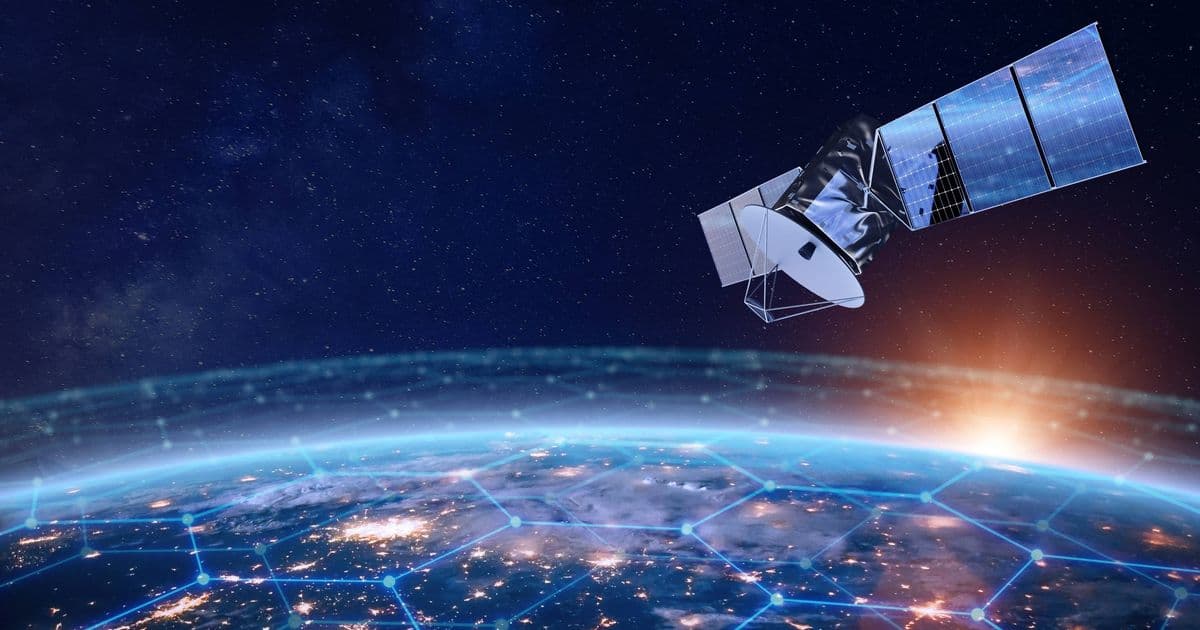
Direct-to-device satellite connections grew 25% globally between July 2025 and March 2026, with the US leading at 45.9% of all activity thanks to Starlink and T-Mobile's partnership.
Phone-to-satellite services are experiencing rapid growth, with direct-to-device (D2D) connections increasing by nearly 25 percent between July 2025 and March 2026, according to new data from network intelligence firm Ookla. The US dominates this emerging market, accounting for 45.9 percent of all global D2D activity in March 2026, driven by SpaceX's Starlink constellation and partnerships with major carriers like T-Mobile.
While satellite phones have existed for decades through services like Iridium, the ability for ordinary smartphones to connect directly to satellites when cellular coverage fails is a relatively recent development. Apple pioneered this capability with the iPhone 14 in 2022, enabling messages via the Globalstar network, but the market has expanded significantly with the entry of new players and technologies.
Ookla's analysis reveals that Starlink accounts for the vast majority of D2D samples globally, though Skylo and Lynk Global also contribute to the ecosystem. The growth trajectory roughly coincides with the rollout of Starlink-backed services in additional countries, suggesting it's currently the primary market driver. Countries with large rural areas show particularly high adoption rates, with Australia at 18.1 percent of global D2D samples, Chile at 10 percent, and Canada at 9.8 percent.
Despite this growth, satellite connectivity remains a tiny fraction of overall mobile activity. During March 2026, only 0.46 percent of users of Ookla's Speedtest service in the US recorded a connection to a D2D satellite. This underscores both the nascent state of the technology and the significant headroom for expansion as services improve and coverage expands.
The current generation of satellite services primarily offers text messaging and limited data capabilities. However, the industry anticipates substantial upgrades that will enable voice calls and broadband-like data speeds as satellite networks are enhanced. This evolution could dramatically increase adoption rates and transform how people stay connected in remote or disaster-affected areas.
Ukraine became the first European country to support Starlink through its telco Kyivstar in November 2025, providing critical connectivity to parts of the war-torn nation where terrestrial networks may be damaged or destroyed. In the UK, Virgin Media O2 launched the first direct-to-device satellite connectivity service in February 2026, using Starlink for its O2 Satellite service.
Competition in the space is intensifying, with Amazon investing $11.5 billion to catch up with SpaceX's Starlink dominance. Other operators like AST SpaceMobile are developing alternative approaches, partnering with Vodafone in Europe. However, AST SpaceMobile faced a setback when Blue Origin delivered its latest satellite into the wrong orbit, though Vodafone maintains this won't affect its planned customer trials later in 2026.
According to a February report from the Global mobile Suppliers Association, D2D services have now launched in 15 countries, while 61 countries and territories are planning, evaluating, testing, or have already announced satellite-to-smartphone partnerships. Starlink leads with 59 partnerships, followed by AST SpaceMobile with 28, indicating a competitive landscape that's rapidly evolving.
The growth of D2D satellite services represents a fundamental shift in how mobile connectivity can be delivered, particularly in areas where traditional cellular infrastructure is impractical or has been compromised. As the technology matures and more carriers adopt these services, the percentage of mobile users connecting via satellite is likely to increase substantially, potentially reaching double-digit percentages in regions with challenging terrain or limited infrastructure.
This expansion comes with challenges, including concerns about space debris and orbital congestion as more satellites are launched. Recent incidents, such as Starlink satellites spraying debris following an "anomaly," highlight the environmental and safety considerations that must be addressed as the industry scales up operations.
The regulatory landscape is also evolving, with the Trump administration signaling potential conflicts over global satellite regulations. As more countries adopt D2D services and the number of satellites in orbit increases, international coordination on spectrum allocation, orbital slots, and debris mitigation will become increasingly important.
For consumers, the growth of D2D satellite services promises enhanced connectivity options, particularly for those in rural areas, travelers in remote regions, or communities affected by natural disasters or conflicts. The technology essentially creates a global safety net for mobile communication, ensuring that even when terrestrial networks fail, basic connectivity remains possible through the satellite constellation overhead.
As the market continues to mature, we can expect to see more innovative pricing models, improved user experiences, and expanded capabilities. The 25 percent growth observed over just eight months suggests that consumer demand for reliable connectivity, regardless of location, is driving rapid adoption of these services. With major players like SpaceX, Amazon, and traditional telecom companies all investing heavily in this space, the direct-to-device satellite market appears poised for continued explosive growth in the coming years.
Comments
Please log in or register to join the discussion