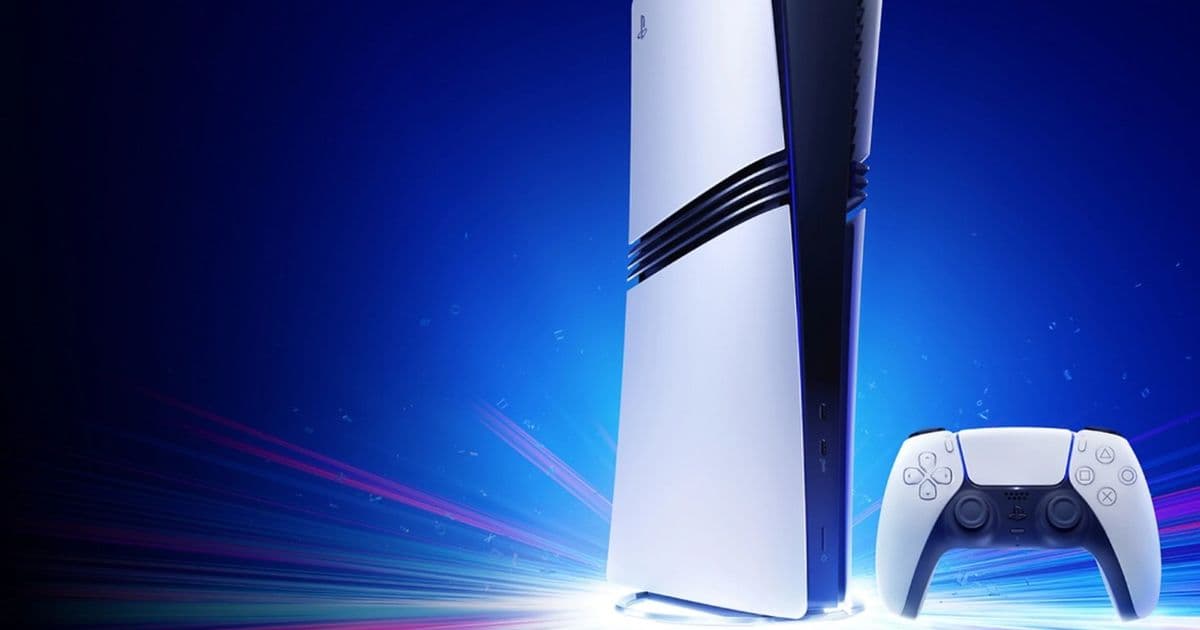
Sony's PlayStation 6 will launch in 2027 or early 2028, according to industry insider Moore's Law Is Dead, who cites contractual obligations and manufacturing timelines that make delaying the console until 2029 financially unfeasible.
The PlayStation 6 release timeline has been a subject of intense speculation as the gaming industry grapples with rising component costs and supply chain challenges. Recent reports suggested a potential delay until 2029, but new information from a trusted industry source indicates Sony remains committed to its traditional console lifecycle.
According to Moore's Law Is Dead, a prominent YouTube leaker with a track record of accurate console predictions, the PS6 will "almost certainly come out in 2027, if not, probably early 2028." This timeline aligns with the typical seven-year console lifecycle that has governed the industry since the PlayStation 3 era.
Financial Pressures Make Delay Unfeasible
The primary reason for Sony's commitment to the 2027 timeline stems from substantial financial investments already made. MLID reports that Sony has paid AMD millions of dollars for custom APU development, creating contractual obligations that would be more expensive to break than to proceed with the launch.
"Paying extra for RAM for the first six months of the console's life is not worth delaying the console," MLID explains. This mirrors Sony's approach with the PS5, which launched in 2020 during the height of the COVID-19 pandemic despite widespread reports of potential delays.
Manufacturing Timelines Create Hard Deadlines
Perhaps most compelling are the alleged production timelines revealed by MLID's sources. Documents supposedly show Sony's contracts with AMD and TSMC include Q2 2027 production schedules. Missing these deadlines could have severe consequences:
- Loss of 3nm manufacturing allocation
- Potential pushback to 2030 release window
- Significant financial penalties from contract breaches
The PS5's launch during COVID-19 serves as precedent for Sony's willingness to release hardware even under challenging circumstances. Despite component shortages and increased costs, Sony maintained its launch schedule, suggesting the company prioritizes market presence over perfect component pricing.
RAM Price Recovery Could Influence Final Timing
While the 2027 timeline appears firm, MLID notes that RAM prices are expected to improve by the end of 2026 and even more by early 2027. This price recovery could influence Sony's decision between a late 2027 launch versus early 2028 release.
"At most, there could be a six-month delay to April 2028 for tax season, but nothing more," MLID states, suggesting even a minor delay would be primarily for financial optimization rather than technical necessity.
Industry Context and Competition
The PS6 launch timing also factors into Microsoft's Xbox plans, as both companies typically coordinate their console releases to maintain competitive balance. A 2027 launch would position Sony to capture holiday season sales and establish market dominance before any potential Xbox competitor.
Sony's strategy appears focused on maintaining its console leadership rather than waiting for ideal component pricing. The company seems willing to absorb higher costs for the first six months of the PS6 lifecycle rather than cede market share to competitors or risk falling behind in the next console generation.
What This Means for Gamers
For consumers, the 2027 timeline suggests the PS5 will have a seven-year lifecycle, matching industry standards. This provides developers with a stable platform for game development while ensuring gamers know when to expect next-generation hardware.
The confirmed timeline also means developers can plan their game portfolios accordingly, with many likely already working on PS6-optimized titles that will bridge the transition between console generations.
Source: Moore's Law Is Dead on YouTube
Comments
Please log in or register to join the discussion