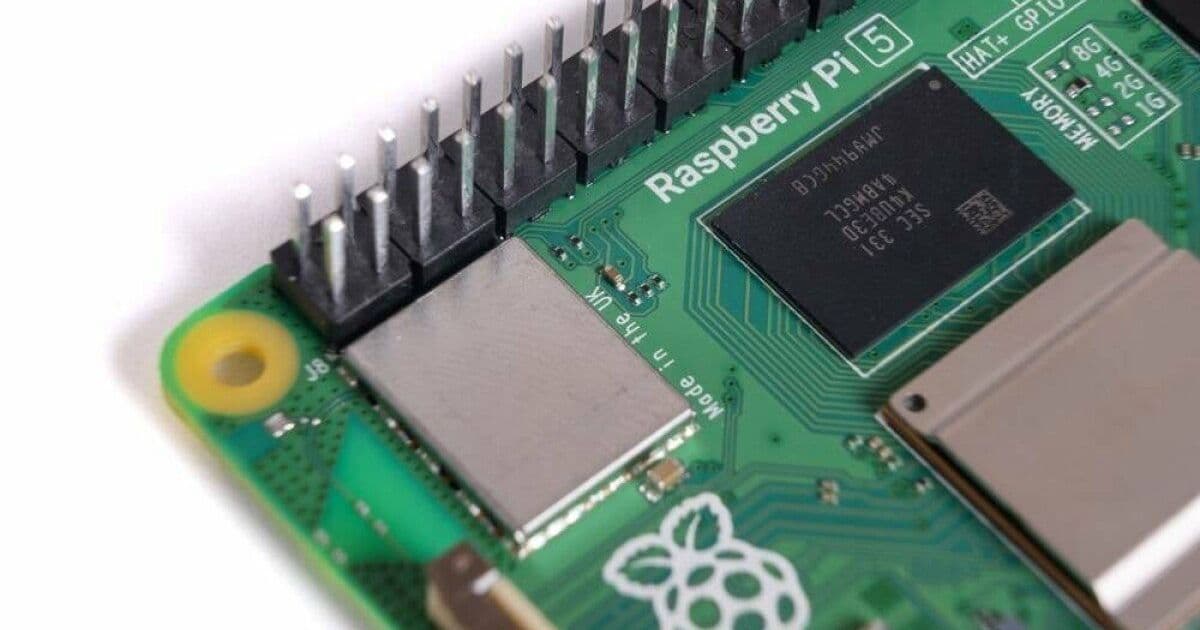
ReactOS has achieved its first successful boot on ARM64 hardware, including a Raspberry Pi 5. The experimental build demonstrates that the project’s recreation of the Windows NT kernel can run on modern ARM platforms, though functionality remains limited.
ReactOS Boots on ARM64: A Milestone for the Open‑Source Windows NT Clone
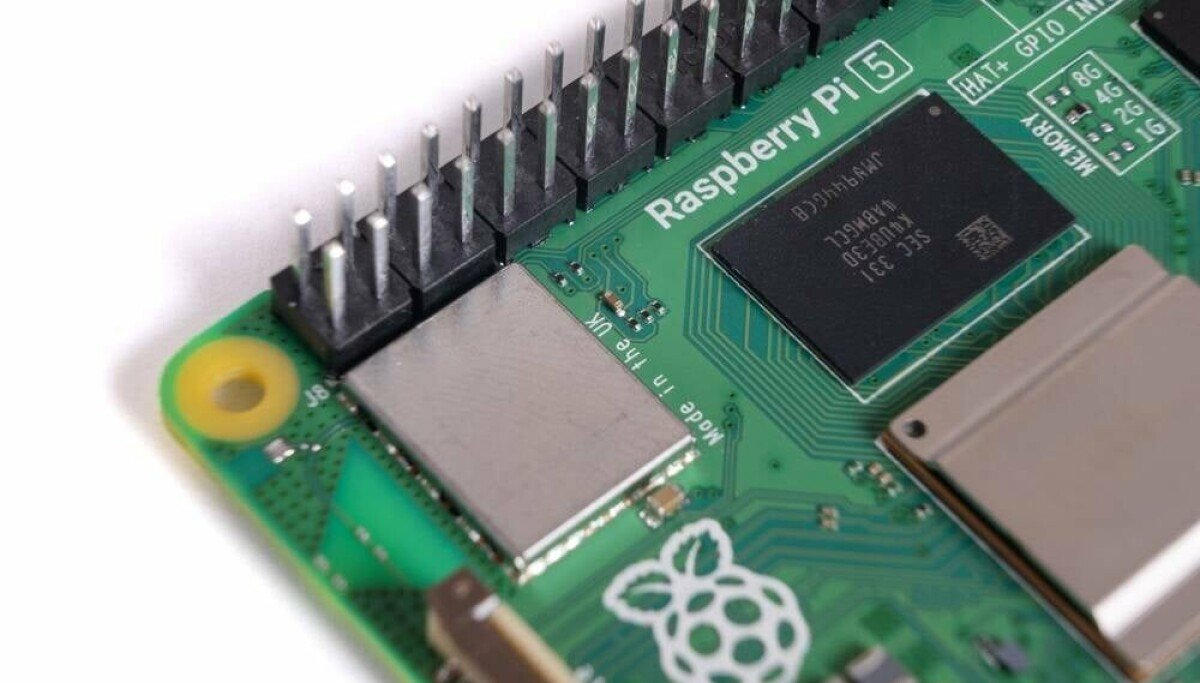
ReactOS, the community‑driven effort to re‑implement the Windows NT architecture from scratch, announced that its latest experimental build can now boot on ARM64 hardware. The achievement was demonstrated on a Raspberry Pi 5 and via QEMU, marking the first time the project’s code has run on a non‑x86 platform.
What happened?
After eight months of low‑level work on the kernel, bootloader, and driver stack, a core contributor succeeded in getting the operating system to start on a UEFI‑enabled ARM64 board. The build is labeled 0.4.15‑arm64‑exp, and the team explicitly warns that it is a proof‑of‑concept rather than a usable desktop environment. Screenshots released by the project show the familiar Windows‑style desktop appearing on a Raspberry Pi 5, albeit without any functional applications.
Legal and regulatory backdrop
While the ReactOS effort is purely technical, its open‑source nature means it must respect the same licensing and export‑control rules that apply to any software that reproduces proprietary APIs. The project distributes its code under the GNU GPL v2, which requires that any derivative work also be released under the same license. In addition, developers must be aware of U.S. Export Administration Regulations (EAR) that govern the distribution of encryption‑related code. ReactOS includes a basic cryptographic library for TLS support, so contributors need to ensure that any binaries shared publicly are classified correctly to avoid inadvertent violations.
Impact on users and companies
For hobbyists and developers
- The ability to run ReactOS on inexpensive ARM hardware opens a new playground for developers who want to experiment with Windows‑compatible drivers without purchasing legacy x86 machines.
- Because the build is still in an “alpha‑quality” state, it should only be installed on devices that can be sacrificed – a principle the ReactOS team emphasizes.
For the broader ecosystem
- If the ARM64 port matures, it could become a testbed for cross‑platform driver development, potentially reducing the need for proprietary Windows licenses in certain embedded scenarios.
- Companies that ship ARM‑based devices and need to support legacy Windows applications might view the project as a long‑term strategic option, though the current lack of application compatibility makes that a distant prospect.
What changes are required?
Technical steps for a successful boot
- UEFI firmware – The target board must expose a UEFI implementation with GICv2 or GICv3 interrupt controllers enabled.
- ARMv8‑A minimum – ReactOS only supports CPUs that implement the ARMv8‑A architecture; older ARMv7 boards are excluded.
- Device‑tree configuration – A custom device‑tree blob (DTB) is needed for each board. The Raspberry Pi 5 uses a special DTB that maps its unique peripheral layout.
- Bootloader – The project recommends using GRUB2 compiled for ARM64, configured to load the
reactos.efibinary from the EFI system partition.
Software‑level considerations
- Driver support – Only a handful of generic drivers (UART, simple framebuffer, basic storage) are functional. All proprietary Windows drivers will fail to load.
- Filesystem – ReactOS expects an NTFS‑compatible partition; the experimental build includes a minimal NTFS driver that can read but not write reliably.
- Application layer – No Win32 binaries have been tested on the ARM64 build. Future work will need to address the WoW64 compatibility layer, which currently only targets x86‑on‑x86 scenarios.
Looking ahead
The ReactOS community treats this ARM64 boot as a stepping stone rather than a finished product. The next milestones include:
- Implementing a stable UEFI boot services layer for ARM64.
- Adding support for the Windows Subsystem for Linux (WSL)‑style translation of POSIX calls, which could broaden the range of usable software.
- Expanding the driver set to cover common peripherals such as USB 3.0 controllers and HDMI audio.
If those goals are met, the project could eventually offer a lightweight, Windows‑compatible environment for edge devices, IoT gateways, and other ARM‑centric platforms. Until then, the achievement remains a technical curiosity that showcases the dedication of a volunteer community.
ReactOS is not a commercial product and carries no warranty. Users should treat any installation as an experiment and back up their data before proceeding.
Comments
Please log in or register to join the discussion