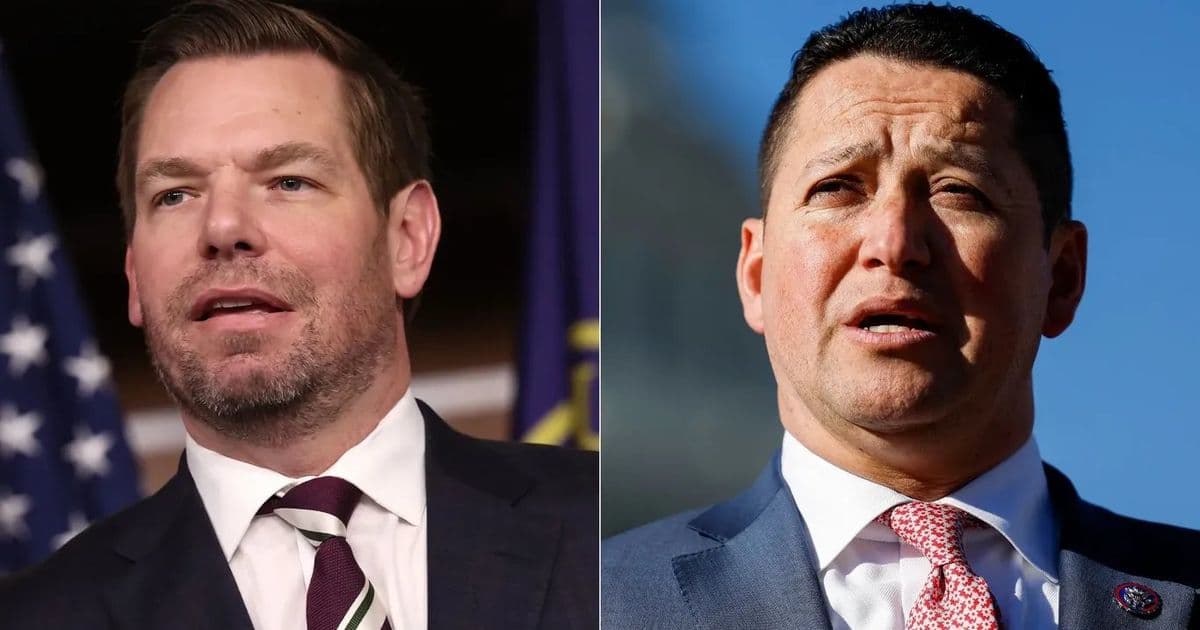
Representatives Eric Swalwell and Tony Gonzales have officially submitted their resignations from Congress, marking a significant shift in the political landscape. The move comes amid ongoing debates about representation and legislative priorities.
Representatives Eric Swalwell and Tony Gonzales have formally submitted their resignations from Congress, according to official records filed earlier today. The unexpected departures from the House of Representatives mark a significant shift in the political landscape, particularly as both members represented districts with contrasting political demographics.
Swalwell, a Democrat from California's 14th congressional district, has served in the House since 2013. His resignation comes after years of vocal advocacy on national security issues and his role on the House Intelligence Committee. The California representative had previously run for the Democratic presidential nomination in 2020 before suspending his campaign.
Gonzales, a Republican representing Texas's 23rd congressional district, has held his seat since 2021. His district spans a vast area along the U.S.-Mexico border, making him a prominent voice on immigration policy and border security issues. The Texas representative has been known for his moderate stance within the Republican Party, often breaking with party leadership on certain issues.
The simultaneous resignations of these two representatives from opposite sides of the political spectrum have raised questions about the timing and potential implications for their respective parties. Political analysts suggest that the departures could impact committee compositions and voting dynamics in the closely divided House.
Both resignations are effective immediately, triggering special election processes in their home states. California Governor Gavin Newsom and Texas Governor Greg Abbott will now be responsible for scheduling special elections to fill the vacant seats. The timing of these elections could prove crucial, given the current narrow partisan balance in the House of Representatives.
Swalwell's resignation letter emphasized his desire to pursue new opportunities while continuing to serve the public in different capacities. Gonzales cited personal reasons and the need for fresh leadership in his district as factors in his decision to step down.
The departures highlight the ongoing challenges facing members of Congress, including the intense scrutiny, partisan gridlock, and personal sacrifices required by public service. Both representatives faced their share of controversies during their tenures, though neither resignation appears directly linked to any specific scandal or ethics investigation.
Political observers note that the resignations could have ripple effects on upcoming legislative priorities, particularly as Congress continues to grapple with issues ranging from government funding to foreign policy challenges. The loss of experienced members like Swalwell and Gonzales may impact the legislative process, especially on committees where they held influential positions.
As the special election processes begin, both parties will be strategizing to maintain or potentially gain ground in these competitive districts. The outcomes could provide early indicators of voter sentiment heading into the next regular election cycle.
The resignations also underscore the broader trend of congressional turnover, with many members choosing to leave office rather than seek reelection. This pattern has contributed to increased volatility in House control and shifting policy priorities over recent election cycles.
For now, constituents in California's 14th and Texas's 23rd districts will be represented by appointed placeholders until special elections can be organized and conducted. The process typically takes several months, during which time these districts may have limited influence on national policy decisions.
Both Swalwell and Gonzales have indicated they will remain active in public life, though they have not specified their immediate plans beyond their congressional service. Their departures mark the end of distinct congressional careers that, despite their differences, both sought to address the concerns of their constituents through legislative action.
The political ramifications of these resignations will likely unfold in the coming weeks as both parties assess the strategic implications and prepare for the special election campaigns ahead.
Comments
Please log in or register to join the discussion