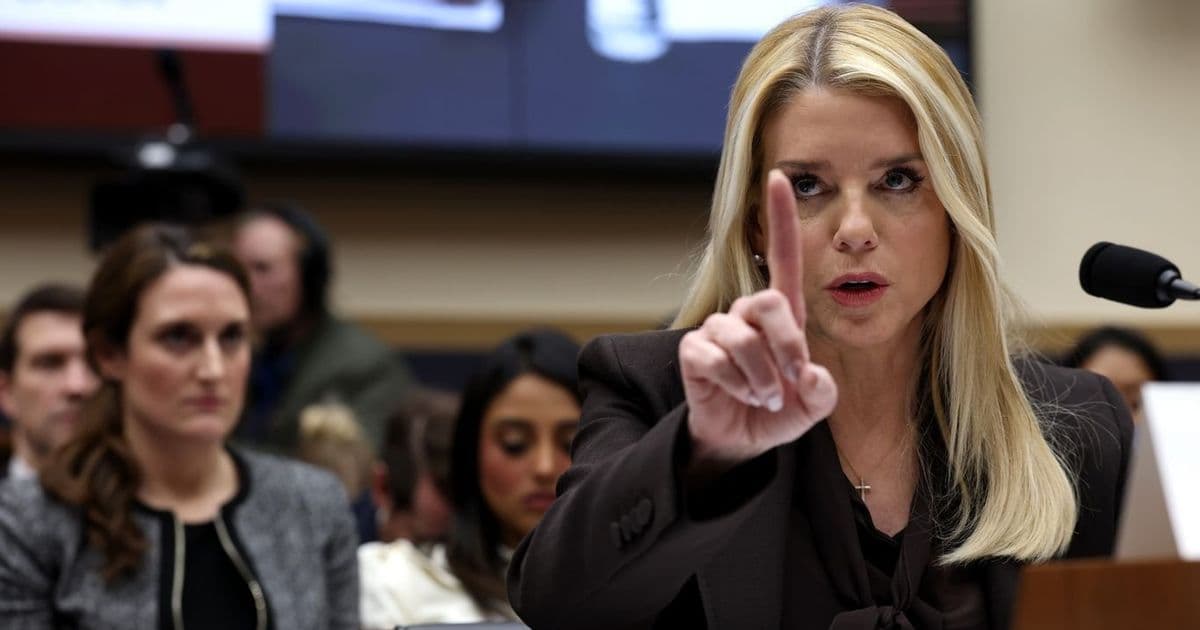
In a rare bipartisan move, House Republicans joined Democrats to authorize subpoenas for Attorney General Pam Bondi as part of an ongoing investigation into Jeffrey Epstein's plea deal and potential obstruction of justice.
In an unusual display of bipartisanship, House Republicans joined Democrats on the Judiciary Committee to authorize subpoenas for Attorney General Pam Bondi as part of an ongoing investigation into the Jeffrey Epstein case and potential obstruction of justice.
The bipartisan vote marks a significant escalation in congressional oversight of the Department of Justice's handling of the high-profile sex trafficking case.
The committee's action comes amid mounting pressure to examine how federal prosecutors handled Epstein's 2008 plea deal, which allowed the financier to serve only 13 months in county jail despite facing federal sex trafficking charges involving dozens of minors.
What prompted the subpoena?
Committee members cited concerns about potential interference in the Epstein investigation, including allegations that political appointees may have influenced prosecutorial decisions. The subpoena seeks documents related to:
- Communications between DOJ officials and Epstein's legal team
- Internal deliberations about the 2008 plea agreement
- Any involvement by political appointees in the case
- Records of meetings or discussions about the investigation
Why bipartisan support matters
The unusual Republican support for the subpoena signals growing unease across party lines about the Epstein case's handling. Several GOP members have expressed frustration with what they characterize as inconsistent enforcement of federal sex trafficking laws.
"This isn't about politics," said one Republican committee member who supported the measure. "It's about ensuring justice was served and that no one received special treatment because of their wealth or connections."
The broader context
The Epstein investigation has become a flashpoint in debates about wealth inequality, political influence, and the justice system's treatment of powerful individuals. The case has already led to:
- The resignation of former Labor Secretary Alexander Acosta, who oversaw the 2008 prosecution as a U.S. Attorney
- Multiple lawsuits against the federal government for violating victims' rights
- Ongoing investigations in multiple jurisdictions
What happens next
Attorney General Bondi now faces a deadline to comply with the subpoena or risk being held in contempt of Congress. Legal experts suggest she may challenge the subpoena in court, potentially setting up a protracted legal battle over executive privilege and congressional oversight authority.
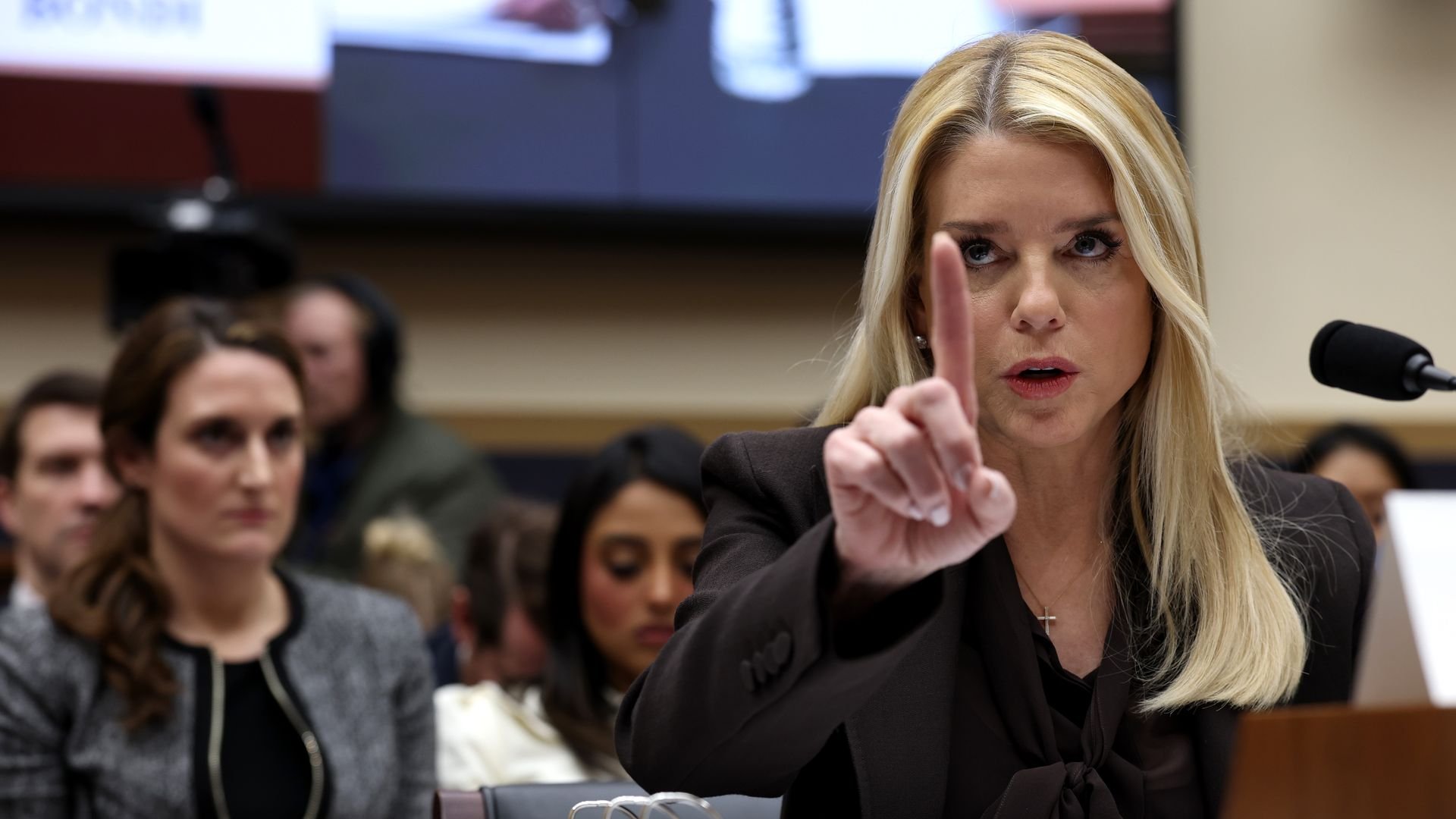
The Judiciary Committee has also indicated it may call other high-ranking officials to testify about their knowledge of the Epstein case, suggesting this investigation could expand beyond the initial document requests.
Implications for the Justice Department
This congressional action represents a significant challenge to the Department of Justice's independence and could strain relations between the Trump administration and Congress. The investigation may also impact ongoing efforts to confirm judicial nominees and pass criminal justice reform legislation.
Legal analysts note that the bipartisan nature of the subpoena vote makes it more difficult for the administration to dismiss the investigation as partisan politics, potentially increasing pressure on DOJ officials to cooperate fully with congressional investigators.
Comments
Please log in or register to join the discussion