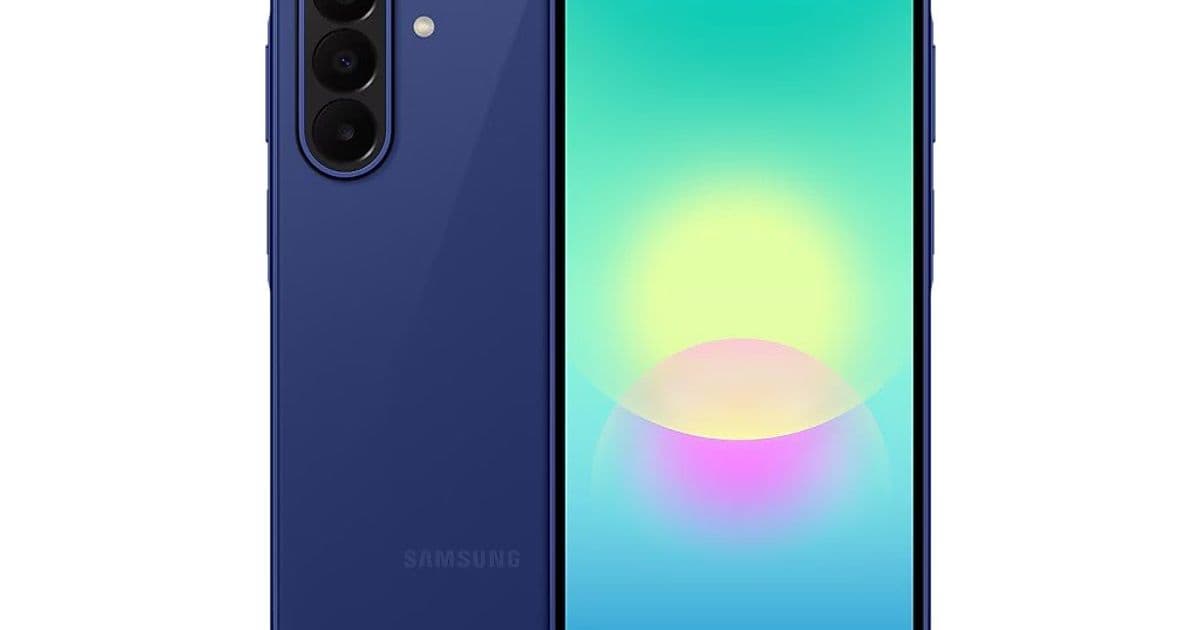
Samsung’s next midrange Galaxy A phone looks faster and cleaner than the A26, but the leaked Czech listing also shows a weaker IP rating and camera trade-offs buyers should not ignore.
What's new
Samsung has not given the Galaxy A27 5G a full global launch yet, but a product listing on Samsung Czech Republic has effectively published the phone’s spec sheet ahead of schedule. For buyers who track the Galaxy A series as Samsung’s practical midrange line, the A27 looks like a familiar formula with two meaningful changes: a Qualcomm chip replaces Samsung’s previous Exynos choice, and the front design finally moves away from the older U-shaped notch.
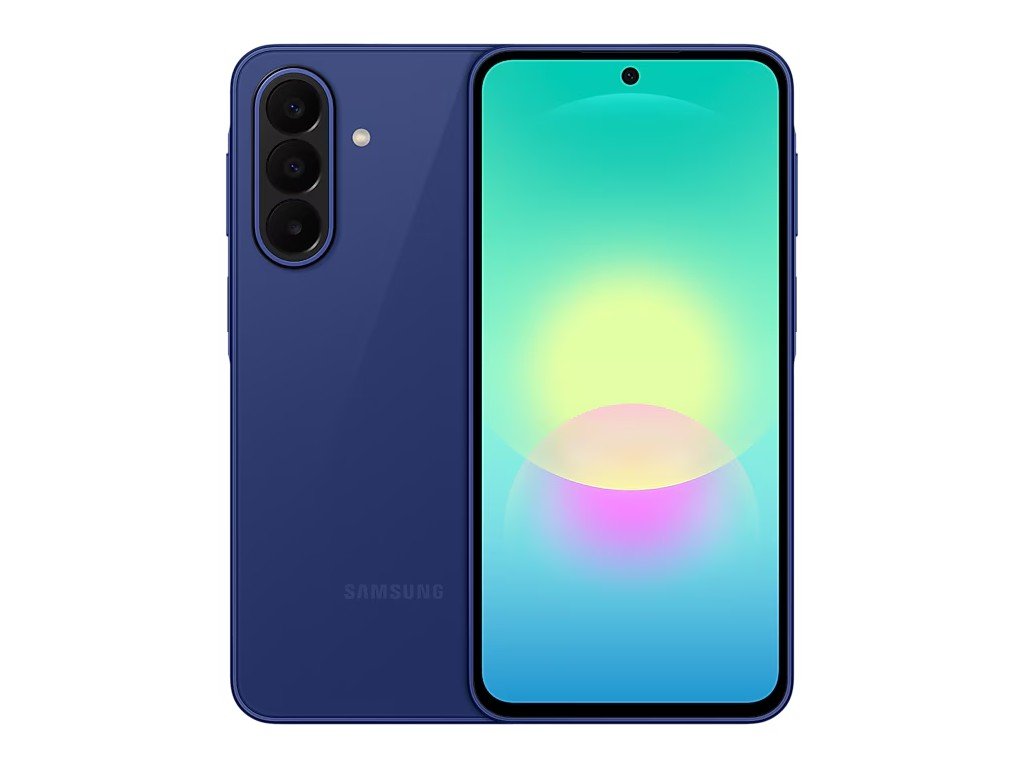
The Galaxy A27 5G uses a 6.7-inch FHD+ Super AMOLED display with a 1080 x 2340 resolution, a 120Hz refresh rate, and Gorilla Glass Victus+ protection. That puts the screen right where a modern midrange Samsung phone should be. The size matches the Galaxy A26 5G, but the round centered camera cutout makes the A27 look more current from the front. This is not a small cosmetic point. Budget and midrange phones often age fastest in their display design, and the notch on the A26 was one of the easiest ways to spot that it sat below Samsung’s higher-end models.
{{IMAGE:2}}
The bigger hardware shift is the processor. The Galaxy A27 is listed with the Snapdragon 6 Gen 3, replacing the Exynos 1380 used in the Galaxy A26. On paper, that should make the A27 more interesting to buyers who care about sustained everyday performance, modem behavior, app responsiveness, and gaming consistency. The Snapdragon 6 Gen 3 is not a flagship part, but it is a sensible midrange chip for a phone that is likely to compete on battery life, display quality, update support, and price rather than raw benchmark dominance.
Samsung’s listing mentions 6GB of RAM and 128GB of expandable storage, plus a 256GB storage version. Earlier leaks pointed to an 8GB RAM and 256GB storage configuration, which would be the one to watch if the price gap is reasonable. A 6GB Android phone can still be fine for messaging, social apps, maps, streaming, banking, and light editing. The 8GB version should age better, especially because Samsung is promising six years of OS and security updates. Long software support is only truly useful if the memory and storage configuration can survive that long without feeling cramped.
The camera system is conventional, and that is both good and limiting. The rear setup includes a 50MP f/1.8 main camera, a 5MP f/2.2 ultrawide, and a 2MP f/2.4 macro camera. The front camera is a 12MP f/2.0 unit. The main camera is clearly the one that matters. If Samsung’s processing is tuned well, it should handle daylight photos, casual portraits, document shots, and social video without drama. The ultrawide is the concern. Dropping to 5MP means detail will likely be softer than on phones with better secondary sensors, especially indoors or at night. The 2MP macro camera reads more like a spec-sheet filler than a serious close-up tool.
{{IMAGE:3}}
Battery capacity lands at 5,000mAh, which is the right number for this class. Charging is listed at 25W wired, with Samsung claiming up to 45 percent in 30 minutes. That is usable, but not aggressive compared with Chinese-brand competitors that often offer much faster wired charging at similar prices. Samsung’s trade-off is usually predictable battery behavior, cautious charging, broad carrier compatibility, and longer software support. Buyers who charge overnight will not care much. Buyers who often need a quick top-up before leaving home may notice the difference.
The software story is unusually strong for the segment. The A27 ships with One UI 8.5 and is listed for six years of OS and security updates. That is one of the most important parts of the phone because it changes the ownership math. A cheaper Android phone that gets abandoned after two or three years can become a poor value even if the launch price looks attractive. A midrange phone with six years of updates gives buyers more room to keep it, pass it down, or resell it.
Connectivity and extras include dual SIM support through a hybrid tray, Bluetooth 5.1, dual-band Wi-Fi, and Quick Share support to iOS devices. The hybrid SIM tray means some users may have to choose between a second SIM and microSD expansion, depending on the market configuration. That matters for travelers and prepaid users, but for most buyers the expandable storage option is still a plus.
The awkward part is durability. Samsung has listed the Galaxy A27 5G with an IP64 rating, down from IP67 on the Galaxy A26 5G. IP64 means dust protection and resistance to water splashes. IP67 means dust protection plus temporary immersion resistance under defined lab conditions. In plain buyer terms, the A26 was better positioned against accidental drops into water. The A27 should handle rain and splashes, but it is less reassuring around sinks, pools, bathtubs, and outdoor use in bad weather.
{{IMAGE:4}}
Pricing has not been confirmed by Samsung in the listing described here, but leaks point to €349 for the 6GB RAM and 128GB storage version, and €439 for an 8GB RAM and 128GB version. If those prices hold, the A27 will need the Snapdragon switch, six-year update policy, AMOLED panel, and Samsung software polish to justify itself against aggressive midrange competitors.
How it compares
Against the Galaxy A26 5G, the A27 looks like a mixed upgrade rather than a clean win. The display size, resolution, 120Hz refresh rate, 5,000mAh battery, 25W charging class, and basic camera structure all stay familiar. The design improves, the chipset changes, and the software support remains a major selling point. The weaker IP rating and lower-resolution ultrawide camera are the two places where Samsung appears to have pulled back.
The Snapdragon 6 Gen 3 is the most buyer-visible improvement if it brings better consistency than the Exynos 1380. Samsung’s midrange Exynos chips have not been unusable, but Qualcomm parts often carry a perception advantage because of app optimization, modem confidence, and sustained gaming behavior. In daily use, that could mean fewer pauses when switching apps, smoother camera launch times, and better thermal behavior in navigation or gaming. I would still want to test sustained CPU and GPU performance before calling it a major jump, because midrange phones depend heavily on cooling and software tuning, not just the chip name.
The display comparison is easier. A 6.7-inch Super AMOLED panel at 120Hz is exactly the kind of spec that makes Samsung’s cheaper phones feel more expensive than they are. Competing phones sometimes chase faster charging or larger batteries, but Samsung tends to win buyers with display quality. If brightness, color calibration, and touch response are close to the A26 or better, the A27 should remain strong for video, browsing, and maps.
The camera comparison is less flattering. The Galaxy A26 used a 50MP main camera, an 8MP ultrawide, a 2MP macro camera, and a 13MP front camera. The A27 keeps the 50MP main sensor class but moves to a 5MP ultrawide and a 12MP front camera. Megapixels do not tell the whole story, but ultrawide sensors in this price range are already small. Cutting resolution from 8MP to 5MP gives Samsung less room for cropping, correction, and detail retention. Buyers who mainly use the main camera may not care. Buyers who take travel photos, group shots, interiors, or architecture should wait for samples.
The durability comparison is the clearest downgrade. IP67 on the A26 was a strong feature for a midrange phone. IP64 on the A27 still gives splash resistance, but it changes how I would treat the device. I would not buy the A27 expecting the same accident tolerance as its predecessor. For families, students, outdoor workers, and anyone rough on phones, that downgrade matters more than a prettier front camera cutout.
Competitor pressure will depend heavily on regional pricing. At around €349, the A27 would sit near phones from Xiaomi, Motorola, OnePlus, Honor, and Nothing sub-brands that may offer faster charging, more RAM, brighter displays, or stronger secondary cameras. Samsung’s counterpunch is its update promise, retail presence, repair familiarity, and One UI feature set. That is a real advantage for buyers who keep phones for four or five years, but it is less compelling for users who upgrade every 18 months and want the most hardware per euro.
The rumored €439 configuration is harder to defend unless it includes 8GB of RAM and enough storage to feel meaningfully better. At that level, buyers can start comparing against discounted upper-midrange models, older Galaxy A5x devices, or phones with stronger camera hardware. The A27’s value case gets much better if the 8GB model stays closer to the lower price or includes 256GB of storage.
Who it's for
The Galaxy A27 5G looks best for buyers who want a long-life Samsung phone with a good screen, familiar software, expandable storage, and enough performance for normal daily use. If you mostly browse, message, stream, take casual photos, use mobile payments, navigate, and keep a phone for several years, this spec sheet makes sense. The six-year update commitment is the feature that separates it from many spec-heavy rivals.
It is also a good candidate for buyers moving from an older Galaxy A phone. Coming from a Galaxy A22, A23, A32, or A33, the A27 should feel sharper, smoother, and more modern. The 120Hz AMOLED display, newer software, bigger update window, and Snapdragon 6 Gen 3 should deliver a clear everyday improvement. Coming from a Galaxy A26, the case is weaker. You would be trading up for the newer chip and cleaner display design, but giving up IP67 water resistance and possibly ultrawide camera detail.
I would steer camera-first buyers toward waiting for reviews. The 50MP main camera may be perfectly competent, but the 5MP ultrawide and 2MP macro do not suggest a camera-led phone. If your photo habits are mostly main-camera shots in good light, the A27 should be fine. If you care about low-light ultrawide shots, video stabilization, pet photos indoors, or reliable front-camera quality, test results will matter.
Gamers should also wait for benchmarks. The Snapdragon 6 Gen 3 gives the A27 a better-looking platform than some older Galaxy A models, but this is still a midrange chip in what is likely a thin, battery-focused phone. Lighter games should be easy. Heavier games will depend on thermal limits, graphics settings, and how Samsung tunes performance modes.
The IP64 rating is the main reason I would hesitate for certain buyers. If water resistance is a priority, the Galaxy A26 may remain more attractive while stock lasts, and Samsung’s higher-tier A series phones may be safer picks. A phone can survive splashes without being the right choice for someone who regularly uses it near water.
The practical verdict is simple: the Galaxy A27 5G appears to be a better-looking, Snapdragon-powered Galaxy A26 successor with excellent update support, but not an across-the-board hardware upgrade. At €349, it could be a sensible long-term Android buy if Samsung delivers solid real-world performance. At €439, it needs the right RAM and storage configuration, because the downgraded IP rating and modest secondary cameras make the spec sheet easier to challenge.
Comments
Please log in or register to join the discussion