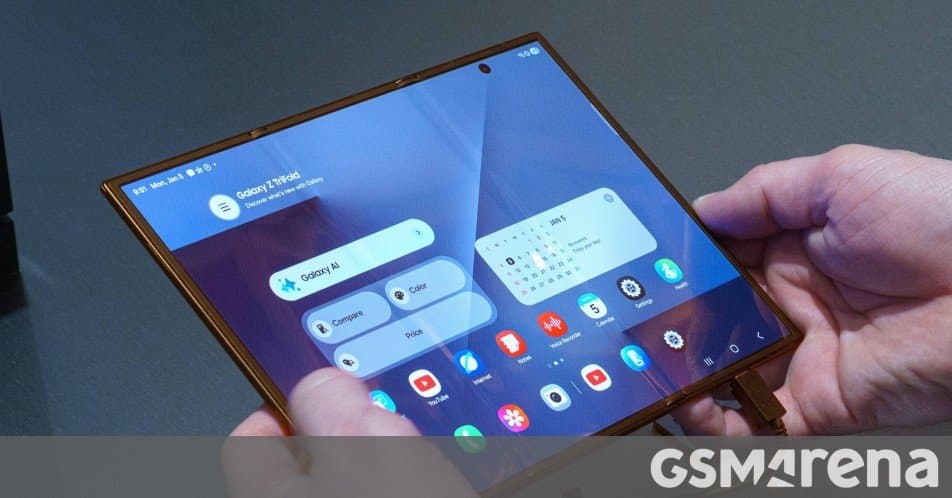
Samsung's second-generation trifold phone could feature a new hinge mechanism that makes it slimmer than the original, with the technology potentially extending to other foldable devices.
Samsung is reportedly working on a thinner second-generation Galaxy Z TriFold, according to a new rumor that suggests the company is developing a new hinge mechanism to reduce the device's profile. The information comes as the original Galaxy Z TriFold, which was unveiled in December 2025, has already been discontinued in multiple markets.
The first Galaxy Z TriFold measures between 3.9mm and 4.2mm thin when unfolded, but its folded thickness of 12mm has been a point of criticism for users seeking more pocketable devices. The rumored Galaxy Z TriFold 2 aims to address this concern by incorporating a redesigned hinge system that would allow for a slimmer overall form factor.
What makes this development particularly interesting is that Samsung reportedly plans to extend this new hinge technology beyond the trifold device. According to the source, a modified version of the hinge mechanism will be used in other single-folding Samsung smartphones as well. This suggests Samsung is investing in hinge technology that could benefit its entire foldable lineup, not just the more complex trifold design.
However, the timeline for implementation remains unclear. The Galaxy Z TriFold 2 itself isn't expected to arrive until mid-2027, leading to speculation about which devices will receive the new hinge first. The source suggests that single-folding Galaxy smartphones launching in the coming months may not feature this technology, raising questions about whether upcoming foldables will use the new hinge or if Samsung will wait until the TriFold 2's release to introduce it across its product line.
The original Galaxy Z TriFold was positioned as a premium device with a 512GB storage option and 16GB RAM configuration, priced at $2,899.00. The high price point and the device's discontinuation in multiple markets, including the United States, indicate that Samsung may be reassessing its trifold strategy while working on improvements for the next generation.
This development comes at a time when the foldable smartphone market is becoming increasingly competitive, with manufacturers like Honor introducing innovations such as silicon-carbon battery modifications that have delivered significant battery life improvements - up to 71% in some cases. As the technology matures, consumers are looking for devices that balance innovative form factors with practical considerations like thickness, weight, and battery life.
The focus on making the TriFold 2 thinner reflects the ongoing challenge in foldable design: creating devices that offer large, tablet-like displays when unfolded while remaining practical to carry when folded. A slimmer profile would address one of the primary criticisms of current trifold devices, potentially making them more appealing to a broader range of consumers.
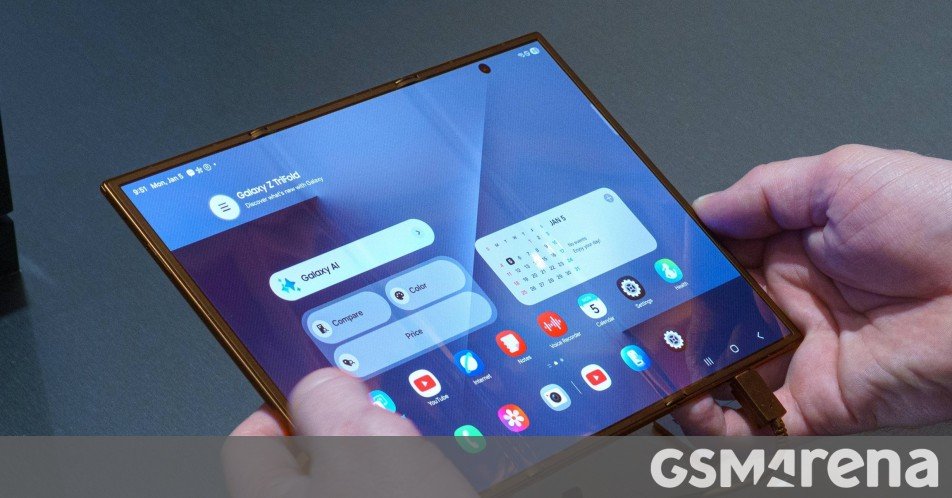
While the original Galaxy Z TriFold has been discontinued, Samsung appears committed to the trifold form factor, with the Galaxy Z TriFold 2 representing the company's next step in this innovative device category. The integration of the new hinge technology across multiple device types also suggests Samsung is working toward creating a more cohesive foldable ecosystem with shared technological advancements.
The delay until mid-2027 for the TriFold 2's release indicates that Samsung is taking a measured approach to developing this technology, likely learning from the first generation's market performance and user feedback. This extended development period could result in a more refined product that better addresses consumer needs and preferences in the evolving foldable smartphone market.
Comments
Please log in or register to join the discussion