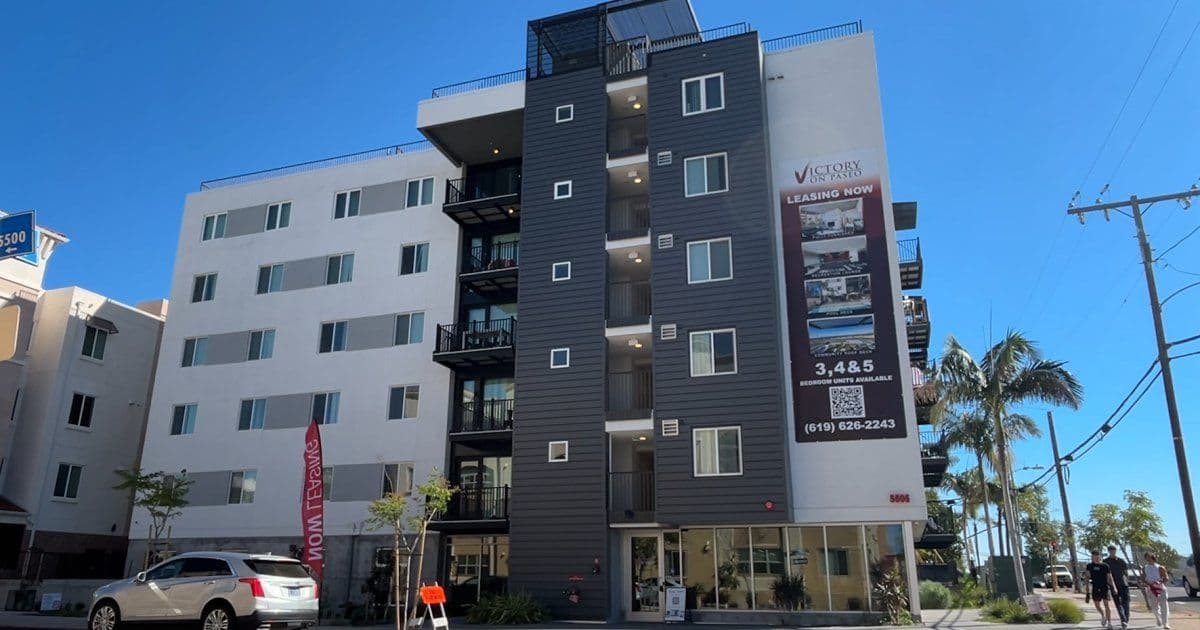
A surge in new apartment construction has driven San Diego's rent prices down faster than nearly all major U.S. markets, validating the city's pro-housing policies.
San Diego's aggressive push to build more housing is finally delivering measurable relief to renters, with the city's rent prices declining faster than 19 of the nation's top 20 rental markets over the past year.
According to a new report from Zumper, a rental platform that tracks nationwide rental data, the median rent for a 1-bedroom apartment in San Diego fell by 5.6% over the past year, while 2-bedroom units saw a 7.5% decline. This drop comes as the city experienced approximately a 15% increase in active rental listings during the same period.
The Supply Effect
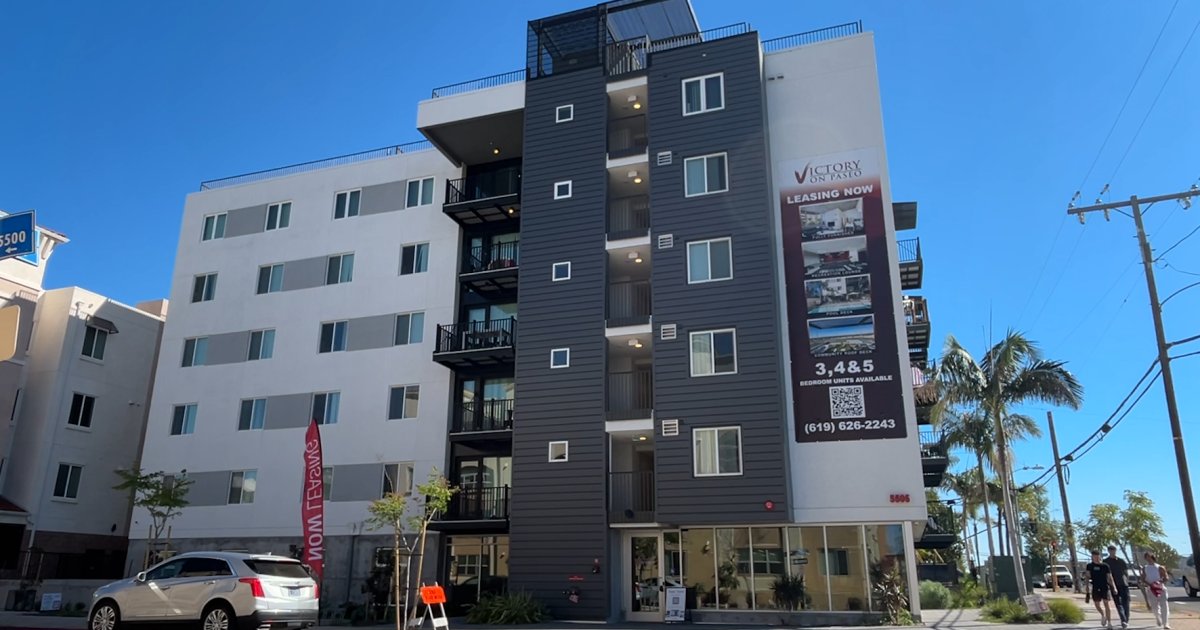
The relationship between housing supply and rental prices appears to be playing out clearly in San Diego's market. Crystal Chen from Zumper noted the direct correlation: "Generally speaking, the more supply there is, the less the prices will continue to increase."
Zack Defazio-Farell from the housing advocacy group YIMBY Democrats of San Diego explained the mechanics behind the price drop. "When you have more options, it allows you to be more selective," he said. "So it gives you a certain degree of negotiating power that you wouldn't otherwise necessarily have."
This increased competition among landlords has made it more difficult for property owners to charge premium prices, particularly in a market where renters now have significantly more choices.
National Context
While San Diego's decline stands out, it's part of a broader national trend. Nationally, median 1-bedroom rents were down 1.4% and 2-bedroom rents were down 1.3% since last year, according to Zumper data. However, most other cities in the top 20 rental markets with fewer new active listings didn't see the same level of decline.
Only New Haven, Connecticut saw a sharper decline in 1-bedroom rents than San Diego, while Miami and New Haven both experienced larger decreases in median rents for 2-bedroom apartments.
San Diego's Building Boom
City officials attribute the rental relief to years of focused effort to increase housing production. Council President Pro Tem Kent Lee, who chairs the city council's Land Use and Housing Committee, highlighted the progress: "If you track the city of San Diego over the last couple of years, we've shown a pretty significant increase in the number of new housing permits each year, we're closing in on the 10,000 mark for the last two years."
Lee credits this achievement to collaboration between the mayor's office, a supportive council, and the planning and development services department. A key strategy has been updating community plans, with recent updates in areas like Clairemont and the College area helping to facilitate new housing development.
Market Dynamics
The Zumper report provides insight into why the timing matters: "Peak deliveries are now arriving after peak demand, pushing inventory higher and intensifying competition among property owners. As a result, many markets are seeing downward pressure on rents, increased concessions, and more choice for renters."
This shift represents a significant change in market dynamics. Where landlords previously held the upper hand in negotiations, the current environment has tilted the balance toward renters who can now shop around and negotiate more effectively.
Policy Validation
Mayor Todd Gloria celebrated the results as validation of the city's pro-housing policies. In a social media post, he declared, "When we #BuildMoreHomes, we expand opportunity, ease pressure on costs, and help prevent homelessness. We are not slowing down."
Lee echoed this sentiment but emphasized that the work is far from complete. "I think anytime we see that rents are dropping in what is one of the most expensive places in the country to live, it's obviously a very positive result," he said. "It tells us that some of what we have been doing at the city is actually working. And it's just the tip of the iceberg. It means that we actually have to have a lot more work to do."
Looking Ahead
Despite the positive trends, San Diego remains the 11th most expensive rental market in the nation, with median rents for 1-bedroom apartments at $2,200 and 2-bedroom units at $2,950. While these figures represent significant decreases from previous years, they still place considerable financial pressure on many residents.
The recent data suggests that continued investment in housing supply could further improve affordability, but it also highlights the long-term nature of addressing housing affordability challenges in high-cost markets like San Diego.
Comments
Please log in or register to join the discussion