
Geospatial analytics firm SynMax reports 40% of AI data center projects face delays, with satellite imagery showing stalled progress at Microsoft and OpenAI sites despite official denials.
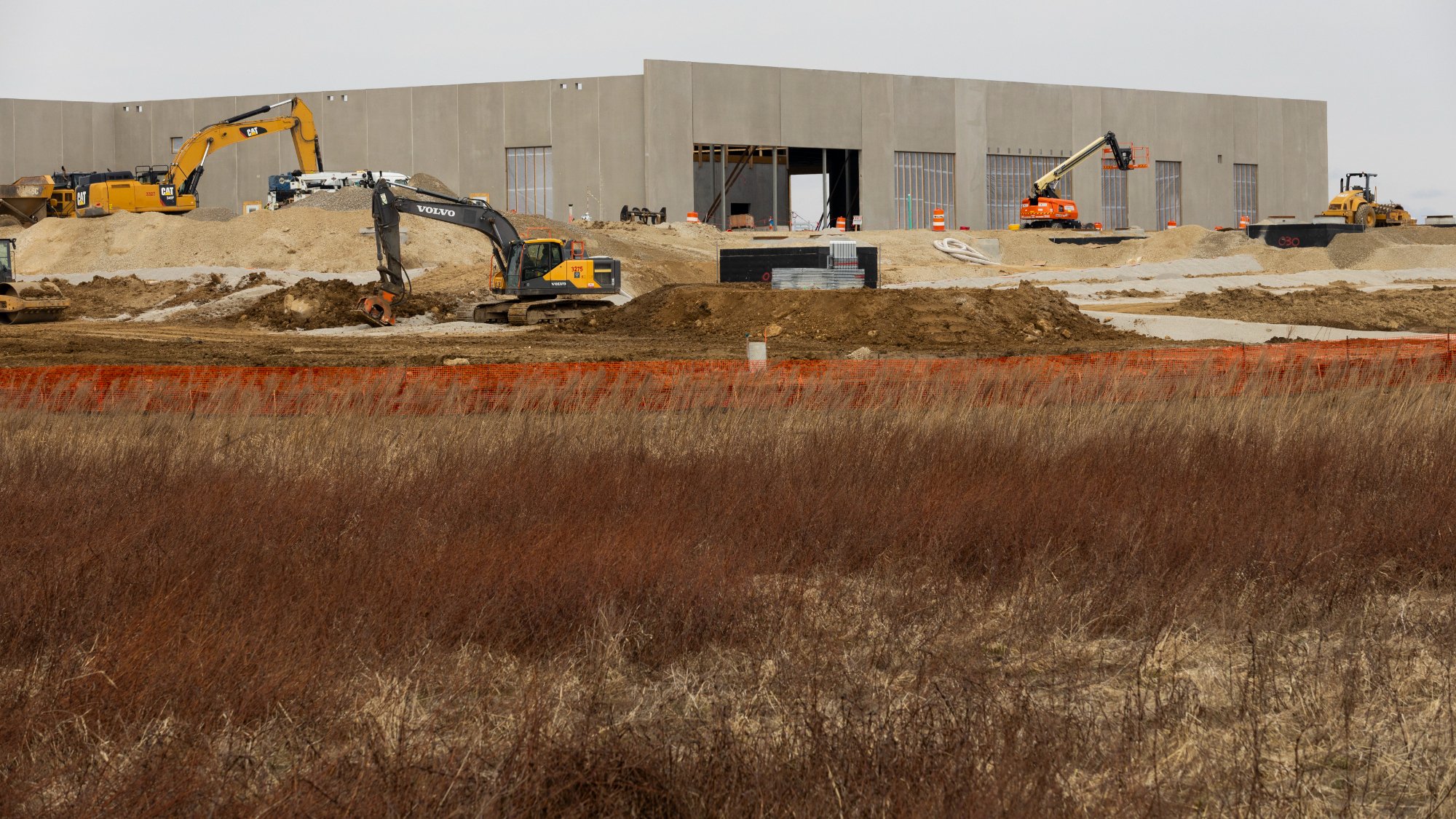
Several major AI data center construction projects across the United States are facing significant delays, with satellite imagery revealing stalled progress despite official denials from the companies involved. According to a report by the Financial Times citing geospatial analytics firm SynMax, approximately 40% of planned AI data center sites are experiencing schedule disruptions that could push completion dates well into 2027.
SynMax employs satellite imaging and artificial intelligence to monitor construction progress across the maritime and energy sectors. Their analysis tracks key milestones including land clearing, foundation work, and structural development, then cross-references this data with industry intelligence from public statements, regulatory documents, and on-the-ground interviews.
One of the most telling examples involves a massive 1,200-acre, 10-building campus in Shackelford County, Texas, being developed for Oracle to equip for OpenAI. The project, which aims for a 1.4-GW capacity with a delivery target in the latter half of 2026, shows concerning signs of delay. Satellite imagery from early April 2026 reveals that only six plots have been cleared for construction, with just one showing active development. While SynMax estimates that a single building might be completed by year's end, their analysis suggests a more realistic timeline pushes full completion to 2027.
Another OpenAI-linked project in Milam County, Texas, designed for 1.2 GW capacity, demonstrates similarly slow progress. Current imagery shows only one building under active construction, falling significantly behind the aggressive timelines typically associated with AI infrastructure projects.
The companies involved have pushed back against these findings. OpenAI stated to the Financial Times that their "historic data center build-out is on schedule and we will accelerate from here," emphasizing rapid progress in their Texas projects through partnerships with Oracle, SB Energy, and other ecosystem partners. Oracle echoed this sentiment, claiming each data center they're developing for OpenAI is "moving forward on time" with construction proceeding "according to plan." SB Energy, involved in the Milam County project, described their data center as "on schedule and on pace to be one of the fastest data centers of its kind ever delivered."
However, construction executives working on these sites tell a different story. They report critical shortages of specialist workers, particularly electricians and pipe fitters, a problem that has persisted since late 2025. This labor shortage compounds existing challenges in the data center construction pipeline.
These delays are part of a broader trend affecting the AI infrastructure sector. A recent report indicated that half of planned U.S. data centers are being canceled or delayed due to various shortages, suggesting that the current AI infrastructure boom may be encountering fundamental constraints.
The challenges extend beyond construction itself. Local utility providers are struggling to meet the unprecedented electricity demands these facilities will require. While AI companies are funding necessary infrastructure upgrades, the timeline for ordering, deploying, and building power delivery systems creates additional delays. Some hyperscalers are exploring on-site generators like turbines as alternative power sources, but these solutions introduce their own complications, including EPA permit requirements and supply chain constraints. Jet engine orders from 2025 are now being slated for delivery in 2028-2030, further complicating rapid deployment strategies.
These delays, while not indicating project cancellations, could have significant implications for the AI industry's growth trajectory. Investors have poured trillions of dollars into these infrastructure projects, anticipating substantial returns as AI capabilities expand. Extended timelines may increase pressure on these investments, particularly as questions persist about whether these massive data centers can achieve profitability in the near term.
The disconnect between corporate statements and satellite-verified progress highlights the challenges in tracking large-scale infrastructure development. As the AI industry continues its rapid expansion, the ability to accurately monitor and predict project timelines becomes increasingly critical for investors, policymakers, and industry participants navigating this complex landscape.
Comments
Please log in or register to join the discussion