New legislation aims to ban federal officials from trading prediction markets amid concerns about insider trading and corruption.
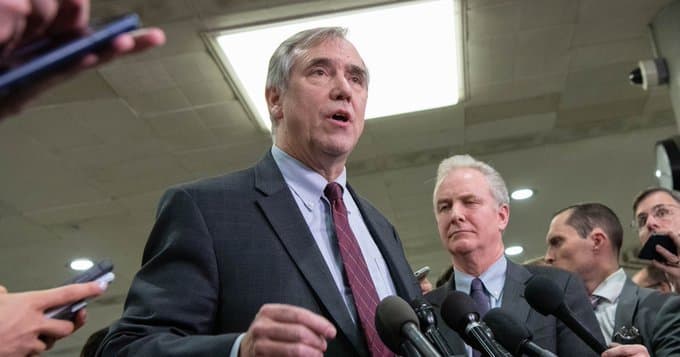
Oregon Senator Jeff Merkley and Minnesota Senator Amy Klobuchar have introduced the End Prediction Market Corruption Act, legislation that would prohibit federal elected officials from participating in prediction markets. The bill comes amid growing concerns about potential insider trading and corruption in these markets, particularly following reports of suspicious trading activity before major geopolitical events.
The legislation targets the President, Vice President, Members of Congress, and other public officials, preventing them from trading event contracts that could be influenced by non-public information gained through their official roles. Merkley emphasized that "perfectly timed bets on prediction markets have the unmistakable stench of corruption," arguing that such activities undermine public trust in government.
Klobuchar highlighted the need for stronger oversight, noting that "at the same time that prediction markets have seen huge growth, we have seen increasing reports of misconduct." The bill would strengthen the Commodity Futures Trading Commission's authority to pursue bad actors and establish clear rules preventing those with confidential government information from exploiting their access for financial gain.
The End Prediction Market Corruption Act is cosponsored by Senators Chris Van Hollen, Adam Schiff, and Kirsten Gillibrand, and has received endorsements from ethics watchdog groups including Public Citizen, Citizens for Responsibility and Ethics in Washington (CREW), and the Project On Government Oversight (POGO).
Merkley has been a consistent advocate for government ethics reform, previously working to crack down on election gambling, dark money in politics, and cryptocurrency-related corruption by federal officials. The full text of the bill is available for review.
This legislative effort reflects growing scrutiny of prediction markets as they expand in popularity and influence, particularly regarding their potential intersection with government decision-making and national security matters.
Comments
Please log in or register to join the discussion