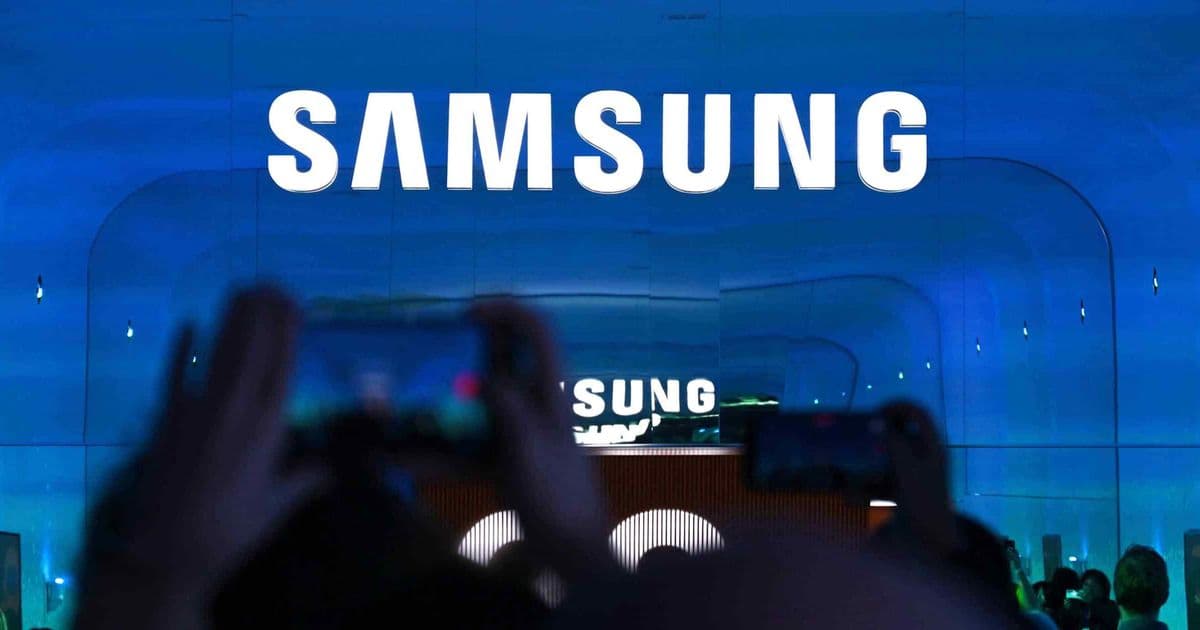
The KOSPI's sharp Friday rally signals renewed investor appetite for risk as geopolitical tensions ease, marking a decisive end to a volatile week for Korean equities.
South Korea's benchmark KOSPI index closed up 4.6% on Friday, posting its strongest single-day gain in months as traders bet heavily on a potential US-Iran diplomatic breakthrough. The rally capped a turbulent week for Korean equities, which had swung between gains and losses amid uncertainty over Middle East stability and global trade dynamics. The surge came on the heels of an overnight rally on Wall Street, where optimism over Washington's diplomatic overtures to Tehran sent risk assets higher across the board. For Seoul, the connection was immediate and pronounced: South Korea's export-dependent economy is particularly sensitive to energy price swings, and any easing of Persian Gulf tensions directly benefits the nation's manufacturing sector. The KOSPI's 4.6% jump represents one of the index's best sessions in recent memory, and it underscores how geopolitical events continue to drive short-term market movements in Asia's trading hubs. The rally was broad-based, with export-oriented sectors leading gains. Semiconductor manufacturers, shipbuilders, and automakers all participated in the advance, reflecting expectations that reduced regional tensions could lower oil prices and improve global trade flows. The Korean won also strengthened against the dollar, adding another layer of positive sentiment for foreign investors considering allocations to Seoul. Context matters here: the KOSPI had experienced significant volatility in the days leading up to Friday's rally, with investors struggling to price in competing forces of US trade policy uncertainty, Chinese economic signals, and the Iran situation. The seesaw pattern had raised concerns among some market participants about the sustainability of recent gains, particularly in leveraged products tied to Korean equities. Friday's decisive move higher suggests that, at least temporarily, bulls have regained control of the narrative. The geopolitical backdrop is shifting rapidly. President Trump's decision to cancel planned strikes against Iran earlier this week opened the door for diplomatic engagement, and market participants have quickly repriced the probability of a settlement. For South Korea specifically, the stakes are high: the country imports roughly 70% of its crude oil from the Middle East, and any disruption to those supply chains would ripple through the economy with significant speed. A US-Iran deal would not only stabilize energy markets but could also ease broader tensions in the Strait of Hormuz, through which roughly 20% of global oil shipments pass. The timing is notable. South Korean equities have underperformed some regional peers in recent months, weighed down by concerns about domestic consumption, household debt levels, and the won's weakness against a resurgent dollar. Friday's rally may mark a turning point, or it may prove to be a temporary relief rally in what remains a challenging environment for Korean assets. What's clear is that the market is pricing in meaningful change: a successful US-Iran negotiation would represent a significant de-escalation of one of the world's most persistent geopolitical risks. The ripple effects extend beyond Seoul. Japan's markets also showed strength, with Kioxia surpassing Toyota in market capitalization to become the most valuable listing on the Tokyo Stock Exchange. That shift highlights the continued premium investors are placing on technology and semiconductor companies, even as traditional industrial giants face headwinds. For South Korea, the parallel is instructive: SK Hynix recently joined the trillion-dollar club, driven by AI-related demand for memory chips, and the broader Korean tech sector remains a key beneficiary of global semiconductor spending cycles. Friday's 4.6% gain is significant not just in magnitude but in what it signals about investor positioning. The sharp reversal from recent volatility suggests that many market participants had been underweight Korean equities, and the prospect of a geopolitical tailwind triggered a rush to add exposure. Whether this momentum persists will depend on concrete progress in US-Iran talks, broader global risk sentiment, and the trajectory of Federal Reserve policy, which continues to influence capital flows across emerging Asia.
Comments
Please log in or register to join the discussion