
Valve's Steam Machine release date has been updated to 'coming soon' on SteamDB after a memory shortage forced delays, though the vague timeline and rising component costs leave questions about the 2026 launch.
Valve's Steam Machine release date has received a subtle but potentially significant update, with SteamDB now listing the hardware as "coming soon" after months of uncertainty following a memory shortage that forced delays. The change comes as Valve continues to navigate supply chain challenges that have cast doubt on the system's 2026 launch window.
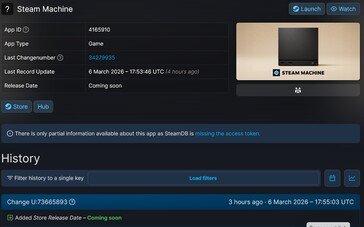
SteamDB, the popular platform that monitors Valve's marketplace data, detected modified assets on March 5th before more substantial changes appeared the following day. The Store Release Date for all new Steam hardware—including the Steam Machine, Steam Frame VR headset, and refreshed controller—has been updated from its previous November 2025 status to the ambiguous "coming soon" label.
The timing of this update is noteworthy. When Valve confirmed delays in early February, the company remained committed to launching its new products in the first half of 2026. However, by some interpretations, March already falls outside the "early 2026" timeframe that was originally promised.
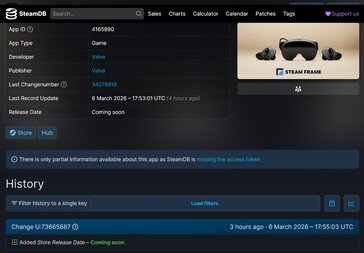
This isn't the first time Valve has used "coming soon" terminology, and the company has a history of applying the label somewhat loosely. A March 6th Valve blog post referring to the new lineup stated, "We hope to ship in 2026," which may not inspire confidence for an imminent debut among eager fans monitoring social media for more specific shipping windows.
The memory shortage affecting the Steam Machine's release stems from surging demand from AI data centers, which has sent prices for critical components soaring. The system's specifications include 16GB DDR5 RAM and storage options of either 512GB or 2TB SSD—components that have become significantly more expensive in recent months.
How much these price increases will impact the final Steam Machine cost remains unclear. The extent may depend on how much storage and memory Valve secured before the crisis worsened. For a product positioned to potentially disrupt the console market, these cost pressures could prove particularly challenging.
While much attention has focused on the Steam Machine, the Steam Frame VR headset represents another significant piece of Valve's hardware strategy. The headset introduces notable changes from the Index, including the ability to function as a standalone device. However, this independence partly depends on the now more expensive upgraded memory and storage, creating a similar cost challenge.
Frustrated fans have questioned why Valve can't at least ship its refreshed controller independently, but the manufacturer likely wants to synchronize its arrival with the Steam Machine release date to maintain a cohesive product launch strategy.
The "coming soon" label on SteamDB represents the most concrete update since the February delay announcement, but it also highlights the ongoing uncertainty surrounding Valve's ambitious hardware plans. As the company navigates these supply chain challenges, the gaming community remains watchful for more definitive information about when these highly anticipated products might actually reach consumers.
For now, the Steam Machine's future hangs in a delicate balance between Valve's stated commitment to a 2026 launch and the harsh realities of today's memory and storage market. The "coming soon" designation may be less a promise of imminent availability and more a placeholder as Valve works to secure the components needed to deliver on its vision for the next generation of gaming hardware.
Comments
Please log in or register to join the discussion