A prepaid Vodafone user received an extraordinary offer of 999999 free minutes - but the story behind this bizarre message reveals more questions than answers about how telecom systems actually work.
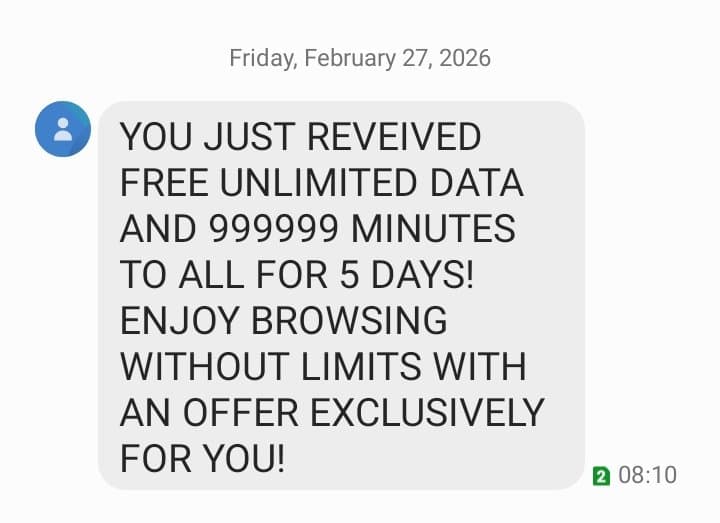
I received an SMS from Vodafone that stopped me cold. Not another promotional offer, not another plea to top up my prepaid account - but something genuinely bizarre. The message declared:
YOU JUST REVEIVED FREE UNLIMITED DATA AND 999999 MINUTES TO ALL FOR 5 DAYS! ENJOY BROWSING WITHOUT LIMITS WITH AN OFFER EXCLUSIVELY FOR YOU! -Vodafone
At first glance, it looked like the usual Vodafone marketing speak. But then I noticed the typo - "REVEIVED" instead of "RECEIVED" - and the number: 999999 minutes. That's not a typo. That's a million minutes.
My family shares two SIM cards between a nearly 10-year-old Samsung smartphone and a basic flip phone. We're on a prepaid plan, so we get plenty of promotional messages. Usually they follow a pattern: spend €X and get Y GB of data for Z days. Conditional. Transactional. This was different.
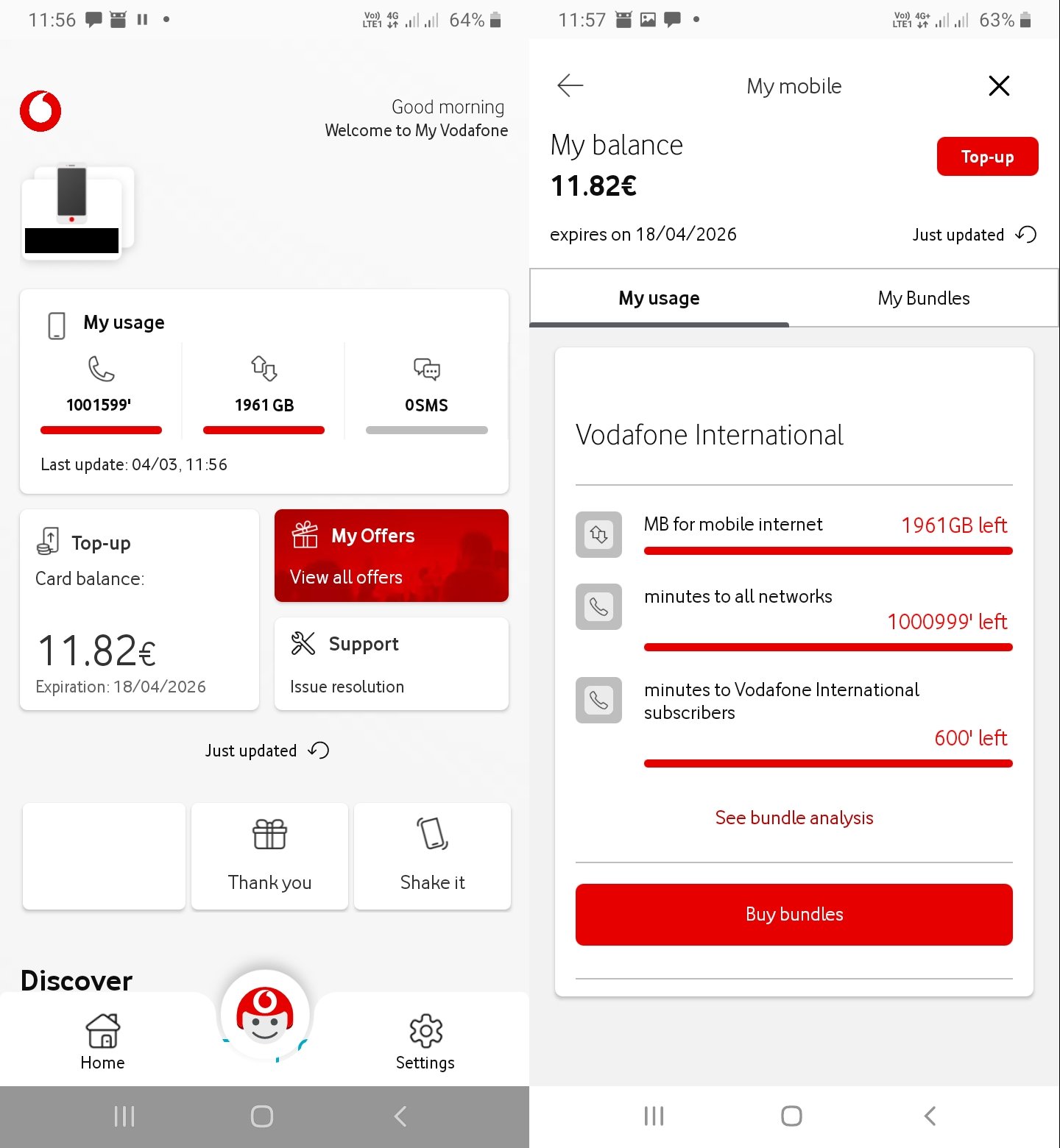
So I did what any curious person would do - I checked if the minutes actually existed. They did. I had 999999 minutes in my account. But there was a catch: I could only use 7200 minutes per day, and only one minute at a time. Still, a million minutes is a million minutes.
This raised immediate questions about how Vodafone's system actually works. If this was purely automated, how did a typo slip through? I've been receiving Vodafone messages for years and never seen a typo before. The probability of that happening in an automated system should be effectively zero.
Could it be a placeholder value that didn't get properly replaced? But then why would the system actually credit me with the minutes? Surely there would be safeguards against such large values triggering automatically?
The human element seemed increasingly likely. Is there someone in a Vodafone office somewhere manually typing out these messages? Are accounts assigned to specific handlers who manage them over time? Did someone make a mistake and accidentally give me a million minutes instead of whatever they intended?
And what about that "exclusively for you" claim? Was I really the only one who received this offer, or are there other Vodafone minute millionaires out there?
For five days, I had more minutes than I could possibly use. I could call anyone, anywhere, for any length of time (well, up to 7200 minutes per day). It felt like winning the lottery, except instead of money, I'd won the ability to talk.
The mystery remains unsolved. Was it a system glitch? A human error? Something else entirely? Vodafone hasn't responded to inquiries about the message. The minutes have expired, returning me to the world of normal mobile users.
But I can't help wondering: what really happened in that system? What combination of circumstances led to that message being sent? And most importantly - how do I get lucky again?
Sometimes the most interesting technology stories aren't about the latest AI breakthrough or cloud computing innovation. They're about the moment when a system we take for granted does something completely unexpected, revealing the complex, sometimes messy reality behind the digital services we use every day.
For five days, I was a Vodafone minute millionaire. And I may never know why.
Comments
Please log in or register to join the discussion