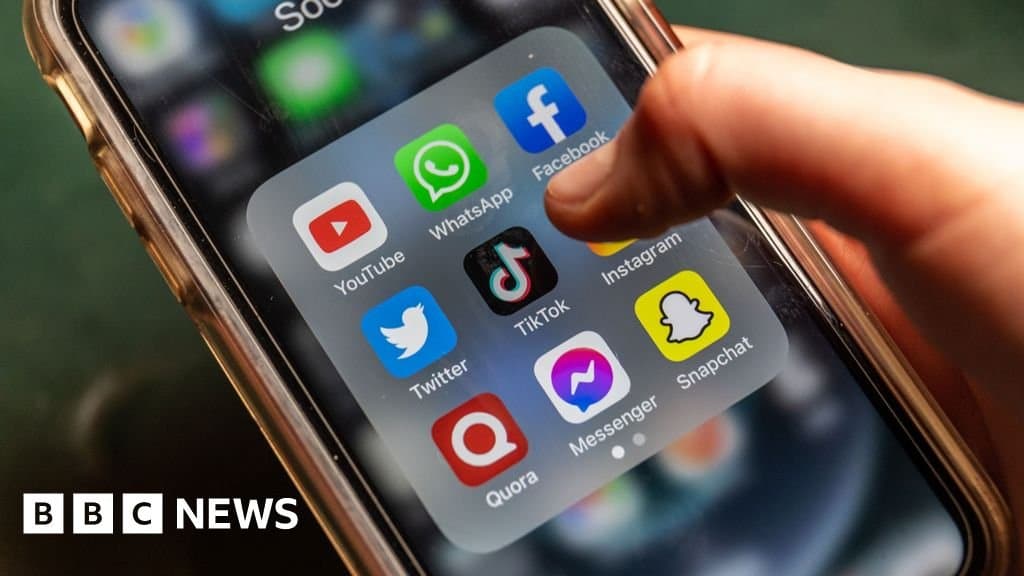
TikTok has confirmed it will not implement end-to-end encryption for direct messages, arguing that the feature would prevent safety teams and law enforcement from monitoring harmful content and protecting young users, despite widespread industry adoption of E2EE by competitors.
TikTok has confirmed it will not implement end-to-end encryption (E2EE) for direct messages, breaking from industry trends and sparking debate about the balance between user privacy and platform safety.
Privacy vs. Protection: The Core Tension
The decision comes as most major messaging platforms have embraced E2EE as a standard privacy feature. WhatsApp, Signal, and even Meta's Messenger and Instagram Direct Messages now offer end-to-end encryption by default or as an option. E2EE ensures that only the sender and recipient can read message contents, with no third party—including the platform provider—able to access the data.
TikTok's stance represents a significant departure from this privacy-first approach. According to BBC reporting, the company argues that E2EE would prevent its safety teams and law enforcement from monitoring messages when necessary to protect users, particularly young people.
The Safety Argument
TikTok's position centers on child safety and content moderation. The platform contends that without access to message content, it would be unable to:
- Detect and prevent grooming or predatory behavior
- Identify and remove harmful content shared through DMs
- Respond to law enforcement requests in abuse investigations
- Monitor for coordinated harassment or bullying campaigns
This mirrors arguments previously made by law enforcement agencies and some policymakers who have expressed concerns about "going dark"—the idea that widespread encryption could hinder criminal investigations and child protection efforts.
Industry Context and Criticism
The decision places TikTok at odds with privacy advocates and security experts who argue that E2EE is essential for protecting user communications from hacking, surveillance, and unauthorized access. Critics point out that:
- Platform safety can be maintained through metadata analysis and behavioral monitoring without reading message content
- E2EE doesn't prevent platforms from taking action based on user reports or other indicators of harm
- The same safety arguments have been used to justify surveillance overreach in other contexts
Signal's president Meredith Whittaker has previously stated that "end-to-end encryption is the only way to ensure that your communications remain private and secure," while privacy advocates argue that platform access to message content creates inherent risks of data breaches, misuse, or government overreach.
Technical and Regulatory Implications
TikTok's decision also has technical implications. Without E2EE, the platform maintains the ability to:
- Scan messages for policy violations using automated systems
- Provide message recovery services if users lose access to their accounts
- Enable cross-device synchronization of message history
- Comply with data retention requirements in various jurisdictions
However, this approach also means TikTok bears greater responsibility for securing the vast amounts of user data it can access. Any breach or misuse of this data could have severe consequences for user privacy.
The Broader Debate
The controversy highlights the ongoing tension between privacy rights and safety concerns in the digital age. While E2EE provides strong protections against unauthorized access, platforms like TikTok argue that some level of visibility is necessary for effective moderation and protection of vulnerable users.
This debate extends beyond TikTok to broader questions about:
- The appropriate balance between privacy and safety in online platforms
- The role of government regulation in mandating or restricting encryption
- The responsibilities of platforms in protecting users versus respecting privacy
- The potential for abuse when platforms have access to private communications
User Trust and Platform Responsibility
TikTok's decision may affect user trust, particularly among privacy-conscious individuals and those in regions with authoritarian governments. The platform's Chinese ownership already raises concerns about data privacy and government access, and the lack of E2EE could amplify these worries.
Conversely, parents and child safety advocates might view TikTok's stance more favorably, seeing it as a commitment to protecting young users even at the expense of some privacy features.
Looking Forward
The decision sets up an interesting contrast with other social media platforms and may influence how users choose between services. As privacy concerns continue to grow globally, TikTok's position could become a differentiator—for better or worse—in how users evaluate the platform's commitment to their security and privacy.
The debate over E2EE in messaging services remains unresolved, with valid arguments on both sides. TikTok's decision ensures this conversation will continue as platforms, regulators, and users grapple with finding the right balance between privacy protection and safety measures in an increasingly connected world.
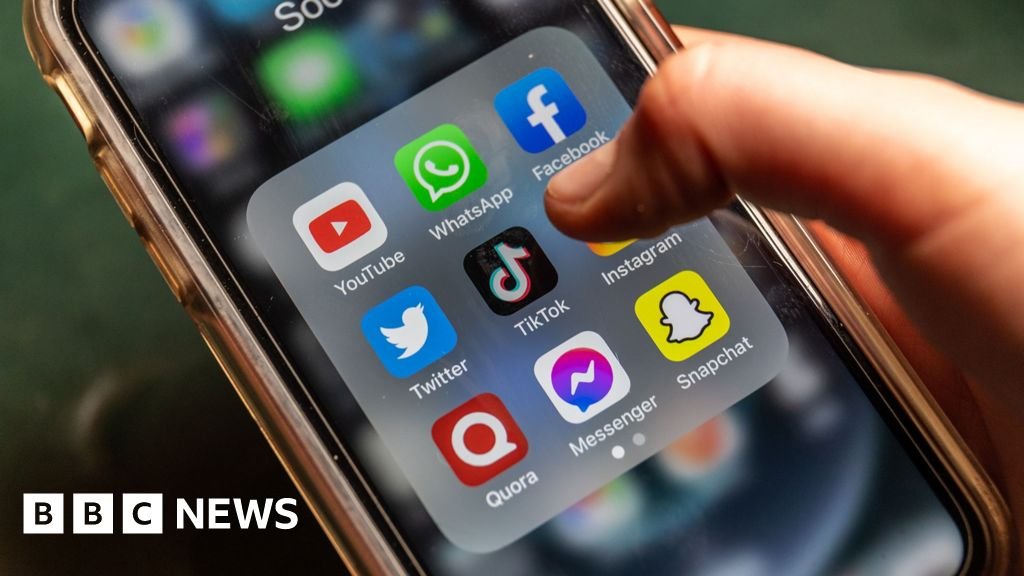
The featured image shows the TikTok app interface, highlighting the platform's messaging features that will remain unencrypted under the company's current policy.
Comments
Please log in or register to join the discussion